Description
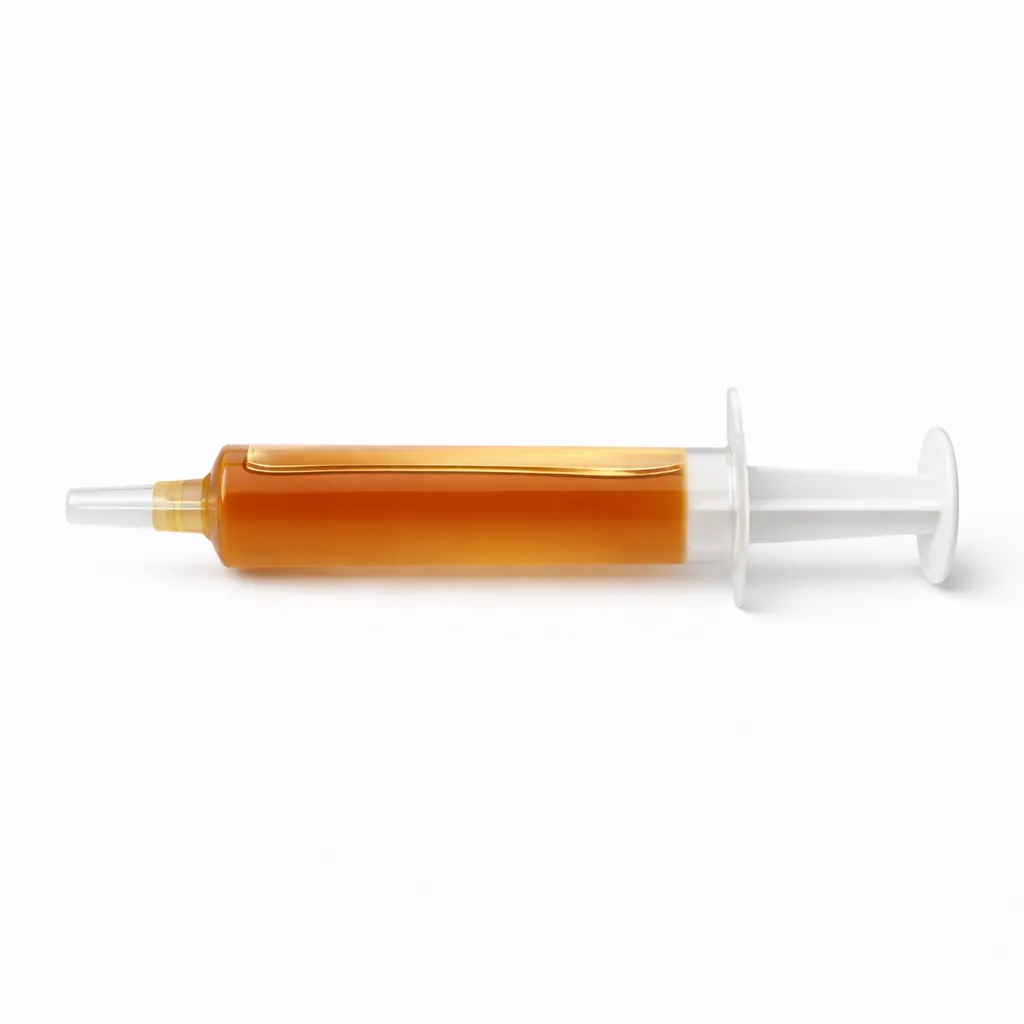
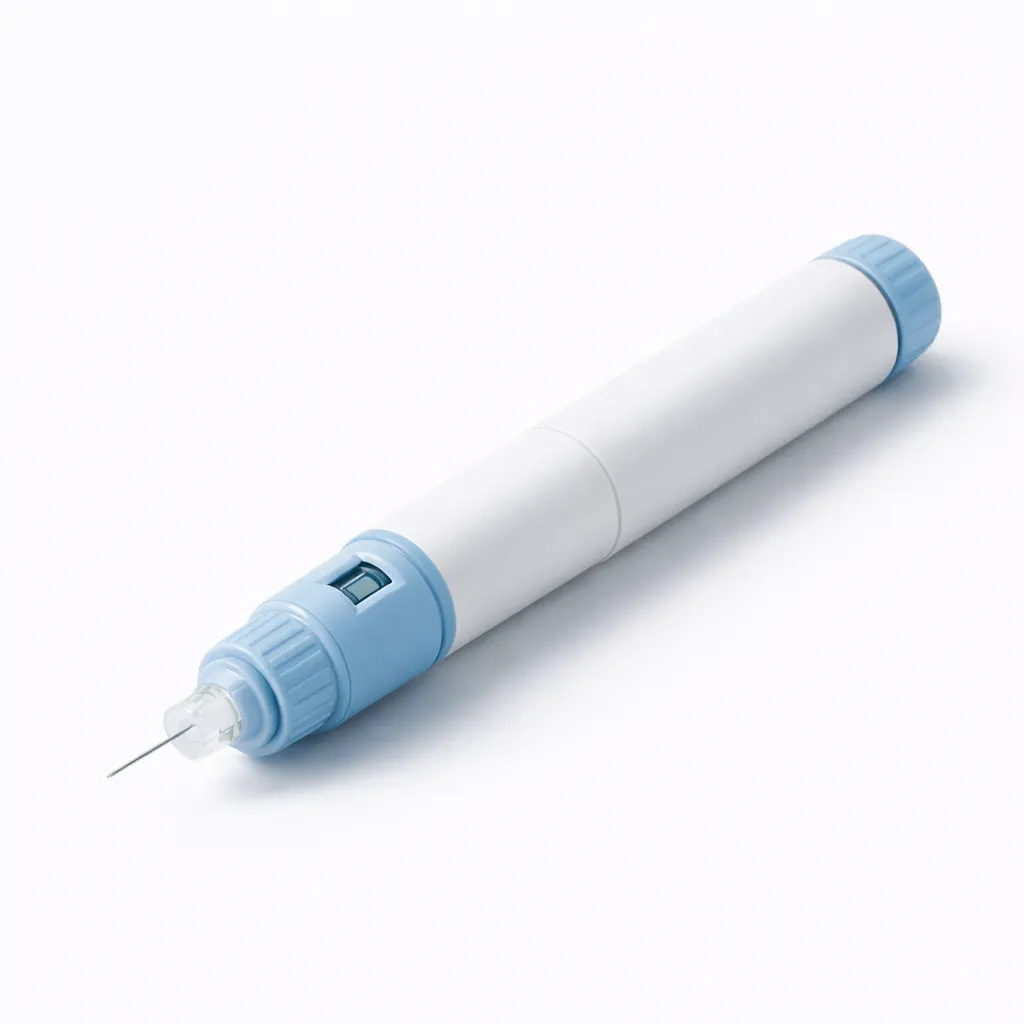
GLUDEC 600 MG INJ
Indications
GLUDEC 600 MG INJ is primarily indicated for the management of diabetes mellitus in adults and children aged 2 years and older. It is utilized as a long-acting insulin analog to improve glycemic control in patients with type 1 and type 2 diabetes. GLUDEC is particularly beneficial for patients who require basal insulin therapy to maintain stable blood glucose levels throughout the day and night.
Mechanism of Action
GLUDEC (insulin degludec) is a long-acting insulin formulation that provides a steady release of insulin over an extended period. Its mechanism of action involves the formation of multi-hexamers at the injection site, which leads to a slow and prolonged absorption into the bloodstream. This results in a consistent and predictable pharmacokinetic profile, allowing for once-daily administration. The insulin binds to insulin receptors on target tissues, facilitating the uptake of glucose by cells, thereby lowering blood glucose levels.
Pharmacological Properties
GLUDEC has unique pharmacological properties that distinguish it from other insulin formulations. It exhibits a prolonged duration of action, with a half-life of approximately 25 hours, allowing for flexibility in dosing times. The onset of action typically occurs within 1-2 hours post-injection, with a peak effect that is relatively flat, minimizing the risk of hypoglycemia. GLUDEC is also stable at room temperature, which enhances its usability and storage options.
Contraindications
GLUDEC is contraindicated in individuals with a known hypersensitivity to insulin degludec or any of its excipients. It should not be used in patients with severe hypoglycemia or during episodes of diabetic ketoacidosis. Additionally, caution should be exercised in patients with renal or hepatic impairment, as these conditions may alter insulin metabolism and clearance.
Side Effects
The use of GLUDEC may be associated with several side effects, although not all patients will experience them. Common side effects include:
- Hypoglycemia: The most significant risk associated with insulin therapy.
- Injection site reactions: Such as redness, swelling, or itching.
- Weight gain: Often observed with insulin therapy.
- Allergic reactions: Rare but may include rash, urticaria, or anaphylaxis.
Patients should be monitored regularly for these side effects, and any severe or persistent reactions should be reported to a healthcare provider.
Dosage and Administration
GLUDEC is administered via subcutaneous injection, typically in the abdomen, thigh, or upper arm. The recommended starting dose varies based on the patient’s individual needs and prior insulin therapy. For adults with type 2 diabetes, the initial dose may range from 10 units to 20 units once daily. For pediatric patients, the dose should be carefully adjusted based on blood glucose monitoring and individual response.
It is essential to administer GLUDEC at the same time each day to maintain consistent insulin levels. Patients should be educated on proper injection techniques and the importance of rotating injection sites to minimize the risk of lipodystrophy.
Interactions
GLUDEC may interact with various medications, which can affect blood glucose levels. Some notable interactions include:
- Oral hypoglycemic agents: Such as sulfonylureas and meglitinides, may increase the risk of hypoglycemia when used in conjunction with GLUDEC.
- Beta-blockers: These can mask the symptoms of hypoglycemia and may also prolong the hypoglycemic effect of insulin.
- Thiazolidinediones: May increase the risk of fluid retention and heart failure when used with insulin.
Patients should inform their healthcare provider about all medications they are taking, including over-the-counter drugs and supplements, to avoid potential interactions.
Precautions
Before initiating therapy with GLUDEC, it is crucial to assess the patient’s overall health status, including any history of hypoglycemia, renal or hepatic dysfunction, and concurrent medications. Patients should be educated on recognizing the signs of hypoglycemia and the appropriate steps to take in case of an episode.
Patients should also be advised to monitor their blood glucose levels regularly and maintain a healthy diet and exercise regimen to optimize diabetes management. It is important to note that changes in physical activity, diet, or insulin dosage may necessitate adjustments in blood glucose monitoring and treatment plans.
Clinical Studies
Numerous clinical studies have evaluated the efficacy and safety of GLUDEC in managing diabetes. In a pivotal trial, GLUDEC demonstrated superior glycemic control compared to other long-acting insulins, with a lower incidence of nocturnal hypoglycemia. Additionally, studies have shown that GLUDEC provides a consistent pharmacodynamic profile, which is beneficial for patients requiring stable insulin levels throughout the day.
Long-term studies have also indicated that GLUDEC is associated with a favorable weight profile compared to other insulin therapies, making it a viable option for patients concerned about weight gain.
Conclusion
GLUDEC 600 MG INJ is a long-acting insulin formulation that offers an effective solution for managing diabetes mellitus in both adults and children. Its unique pharmacological properties, including a prolonged duration of action and a flat pharmacokinetic profile, make it a valuable addition to diabetes management strategies. However, careful consideration of contraindications, potential side effects, and drug interactions is essential to ensure safe and effective use. Regular monitoring and patient education are critical components of successful diabetes management with GLUDEC.
Important
Responsible use of GLUDEC is essential for achieving optimal therapeutic outcomes. Patients should adhere to prescribed dosages and consult their healthcare provider for any concerns or questions regarding their treatment. Regular follow-ups and blood glucose monitoring are crucial in managing diabetes effectively.