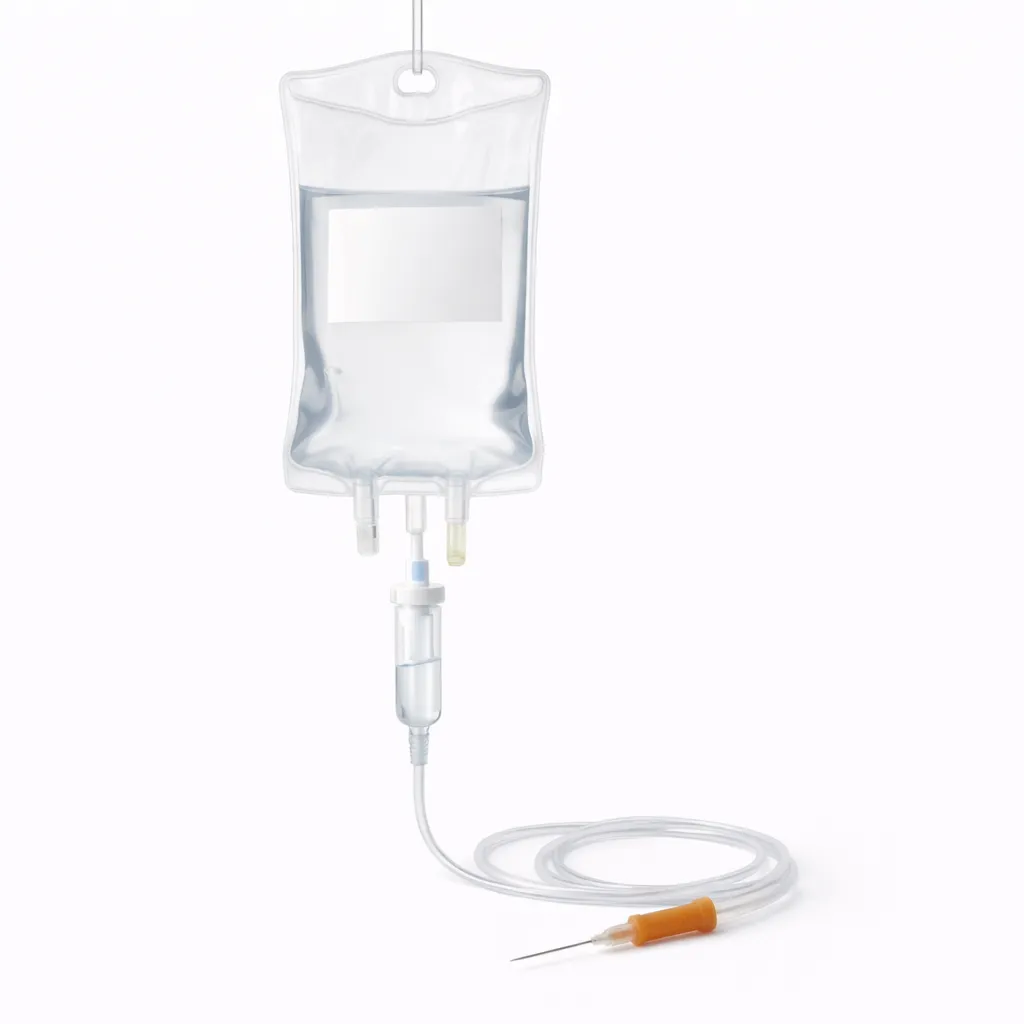
Description
GLUGON 1 MG INJ
Indications
GLUGON 1 MG INJ is primarily indicated for the treatment of severe hypoglycemia in diabetic patients. Hypoglycemia can occur due to various factors such as excessive insulin administration, prolonged fasting, or intense physical activity. GLUGON is also used in emergency situations where patients are unable to consume carbohydrates orally due to unconsciousness or severe confusion. Additionally, it may be utilized in certain diagnostic procedures to facilitate the assessment of pancreatic function.
Mechanism of Action
GLUGON, which contains the active ingredient glucagon, is a peptide hormone produced by the alpha cells of the pancreas. Its primary mechanism of action involves stimulating glycogenolysis and gluconeogenesis in the liver, leading to an increase in blood glucose levels. When administered, glucagon activates hepatic glycogen phosphorylase, which catalyzes the breakdown of glycogen into glucose. This process is crucial in counteracting hypoglycemic episodes, as it rapidly raises blood glucose levels, making it an effective emergency treatment.
Pharmacological Properties
GLUGON is a synthetic form of glucagon, which is a 29-amino acid peptide. It is typically administered via subcutaneous or intramuscular injection. After administration, glucagon is rapidly absorbed into the bloodstream, with peak plasma concentrations occurring within 30 minutes. The duration of action is generally around 15 to 90 minutes, depending on the dose and the individual’s metabolic response. GLUGON is metabolized primarily in the liver and kidneys, where it is broken down into inactive metabolites.
Contraindications
GLUGON 1 MG INJ is contraindicated in patients with known hypersensitivity to glucagon or any of the excipients in the formulation. It should not be used in individuals with pheochromocytoma, a tumor of the adrenal gland that can cause excessive catecholamine release, as glucagon may provoke a hypertensive crisis. Additionally, GLUGON is contraindicated in patients with insulinoma, as it can exacerbate hypoglycemia due to the tumor’s insulin-secreting activity.
Side Effects
While GLUGON is generally well-tolerated, some patients may experience side effects. Common adverse reactions include nausea, vomiting, and abdominal pain. These effects are often transient and resolve without the need for medical intervention. In rare cases, allergic reactions such as rash, urticaria, or anaphylaxis may occur. Patients should be monitored for any signs of hypersensitivity following administration. If severe side effects are experienced, medical attention should be sought immediately.
Dosage and Administration
The recommended dose of GLUGON for adults and children over 20 kg is 1 mg (1 unit) administered subcutaneously or intramuscularly. For children weighing less than 20 kg, the recommended dose is 0.5 mg. In cases of severe hypoglycemia, a second dose may be administered after 15 minutes if the patient does not respond or if blood glucose levels remain low. It is important to follow the healthcare provider’s instructions regarding dosage and administration to ensure safety and efficacy.
Interactions
GLUGON may interact with certain medications, particularly those that affect glucose metabolism. For example, concurrent use of beta-blockers may reduce the effectiveness of glucagon, as these medications can inhibit glycogenolysis. Additionally, patients taking anticoagulants should be monitored closely, as glucagon can influence coagulation parameters. It is essential to inform healthcare providers of all medications being taken to avoid potential interactions.
Precautions
Before administering GLUGON, healthcare providers should assess the patient’s medical history and current health status. Caution is advised in patients with adrenal insufficiency, as glucagon can precipitate an adrenal crisis. Additionally, patients with a history of cardiovascular disease should be monitored closely due to the potential for increased heart rate and blood pressure following administration. Pregnant and breastfeeding women should consult their healthcare provider before using GLUGON, as safety during pregnancy and lactation has not been fully established.
Clinical Studies
Clinical studies have demonstrated the efficacy of GLUGON in treating severe hypoglycemia. In a randomized controlled trial, patients receiving glucagon experienced a significant increase in blood glucose levels compared to those receiving placebo. The rapid onset of action and the ability to restore consciousness in hypoglycemic patients were highlighted as key benefits of GLUGON. Further research is ongoing to explore additional therapeutic uses of glucagon, including its potential role in managing obesity and type 2 diabetes.
Conclusion
GLUGON 1 MG INJ is a vital medication for the management of severe hypoglycemia in diabetic patients. Its mechanism of action, pharmacological properties, and effectiveness in raising blood glucose levels make it an essential tool in emergency settings. While generally safe, it is important for patients and healthcare providers to be aware of potential side effects, contraindications, and drug interactions. Proper dosing and administration are crucial for optimal outcomes. As ongoing research continues to explore the broader applications of glucagon, GLUGON remains a cornerstone in the management of acute hypoglycemic events.
Important
GLUGON should be used responsibly and only as directed by a healthcare professional. It is essential to monitor blood glucose levels regularly and to have a clear understanding of the signs and symptoms of hypoglycemia. Always consult with a healthcare provider for personalized medical advice.