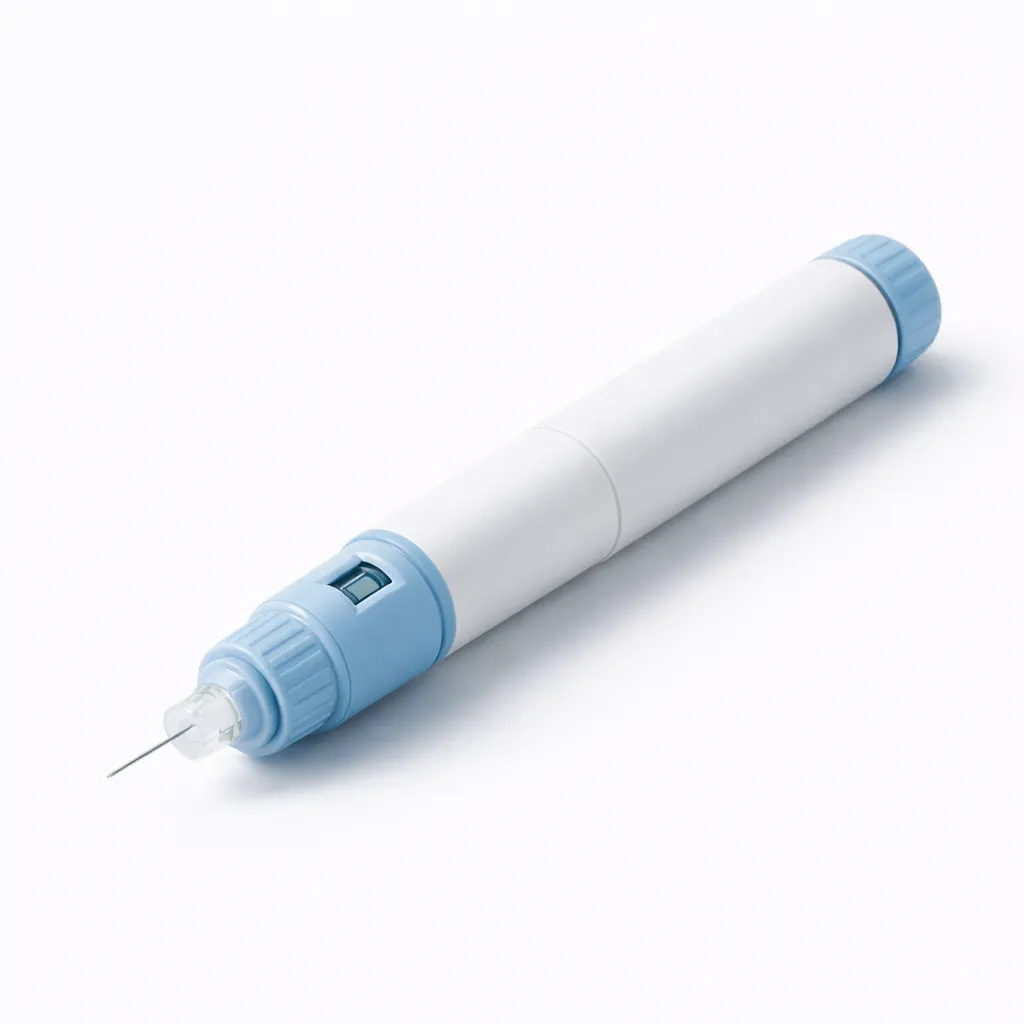
Description
GLYCOHEAL 500 MG (1X20)
Indications
GLYCOHEAL 500 MG is primarily indicated for the management of conditions related to metabolic disorders, particularly those involving impaired glucose metabolism. It is commonly used in the treatment of type 2 diabetes mellitus, where it aids in improving glycemic control in conjunction with diet and exercise. Additionally, GLYCOHEAL may be beneficial in managing conditions associated with insulin resistance and metabolic syndrome.
Mechanism of Action
The active ingredient in GLYCOHEAL is a compound that enhances insulin sensitivity and promotes glucose uptake in peripheral tissues. It works by activating specific pathways that facilitate glucose transport into cells, thereby lowering blood glucose levels. Furthermore, GLYCOHEAL may also reduce hepatic glucose production, contributing to its overall hypoglycemic effect. This dual action helps in maintaining more stable blood sugar levels and improving the body’s response to insulin.
Pharmacological Properties
GLYCOHEAL exhibits several pharmacological properties that make it effective in managing diabetes. Its primary action is the modulation of glucose metabolism, which is crucial for patients with insulin resistance. The compound has a favorable pharmacokinetic profile, with a peak plasma concentration reached within a few hours of administration. It is metabolized in the liver and excreted primarily through the kidneys. The half-life of the drug allows for once or twice-daily dosing, providing convenience for patients.
Contraindications
GLYCOHEAL is contraindicated in patients with a known hypersensitivity to any of its components. It should not be used in individuals with severe renal impairment, as the drug is primarily excreted through the kidneys. Additionally, it is not recommended for patients with diabetic ketoacidosis or type 1 diabetes mellitus. Caution should be exercised in patients with a history of liver disease, as hepatic function may affect drug metabolism.
Side Effects
As with any medication, GLYCOHEAL may cause side effects, although not everyone will experience them. Common side effects include gastrointestinal disturbances such as nausea, vomiting, diarrhea, and abdominal discomfort. Some patients may experience hypoglycemia, particularly if used in conjunction with other antidiabetic medications. Rarely, allergic reactions may occur, presenting as rash, itching, or swelling. It is important for patients to report any adverse effects to their healthcare provider promptly.
Dosage and Administration
The recommended dosage of GLYCOHEAL is typically 500 mg taken once daily, although the healthcare provider may adjust the dosage based on individual patient needs and response to treatment. It is advised to take the medication with meals to minimize gastrointestinal discomfort and enhance absorption. Patients should follow their healthcare provider’s instructions regarding dosage and should not exceed the recommended amount without medical advice.
Interactions
GLYCOHEAL may interact with other medications, which can affect its efficacy and safety. It is particularly important to monitor blood glucose levels when used in combination with other antidiabetic agents, as this may increase the risk of hypoglycemia. Additionally, certain medications that affect liver enzymes may alter the metabolism of GLYCOHEAL, necessitating dosage adjustments. Patients should inform their healthcare provider of all medications, supplements, and herbal products they are taking to avoid potential interactions.
Precautions
Before starting GLYCOHEAL, patients should undergo a thorough medical evaluation, including assessment of renal and hepatic function. Regular monitoring of blood glucose levels is essential to ensure effective management of diabetes and to prevent complications associated with hypoglycemia. Patients should be educated on recognizing the signs and symptoms of low blood sugar and how to manage them. It is also advisable for patients to maintain a balanced diet and engage in regular physical activity to support their treatment plan.
Clinical Studies
Clinical studies have demonstrated the efficacy of GLYCOHEAL in improving glycemic control in patients with type 2 diabetes. In randomized controlled trials, patients receiving GLYCOHEAL showed significant reductions in HbA1c levels compared to those receiving a placebo. Furthermore, studies have indicated that GLYCOHEAL is well-tolerated, with a side effect profile similar to other medications in its class. Ongoing research continues to explore the long-term benefits and safety of GLYCOHEAL in diverse populations.
Conclusion
GLYCOHEAL 500 MG is a valuable therapeutic option for managing type 2 diabetes and related metabolic disorders. Its mechanism of action, pharmacological properties, and clinical efficacy make it an important part of diabetes management. However, as with any medication, it is essential for patients to use GLYCOHEAL under the guidance of a healthcare professional to ensure safety and effectiveness. Regular monitoring and lifestyle modifications play a critical role in achieving optimal outcomes for patients using this medication.
Important
It is crucial to use GLYCOHEAL responsibly and under the supervision of a qualified healthcare provider. Always adhere to prescribed dosages and report any adverse effects or concerns to your doctor. This medication is part of a comprehensive diabetes management plan that includes dietary and lifestyle changes.