Description
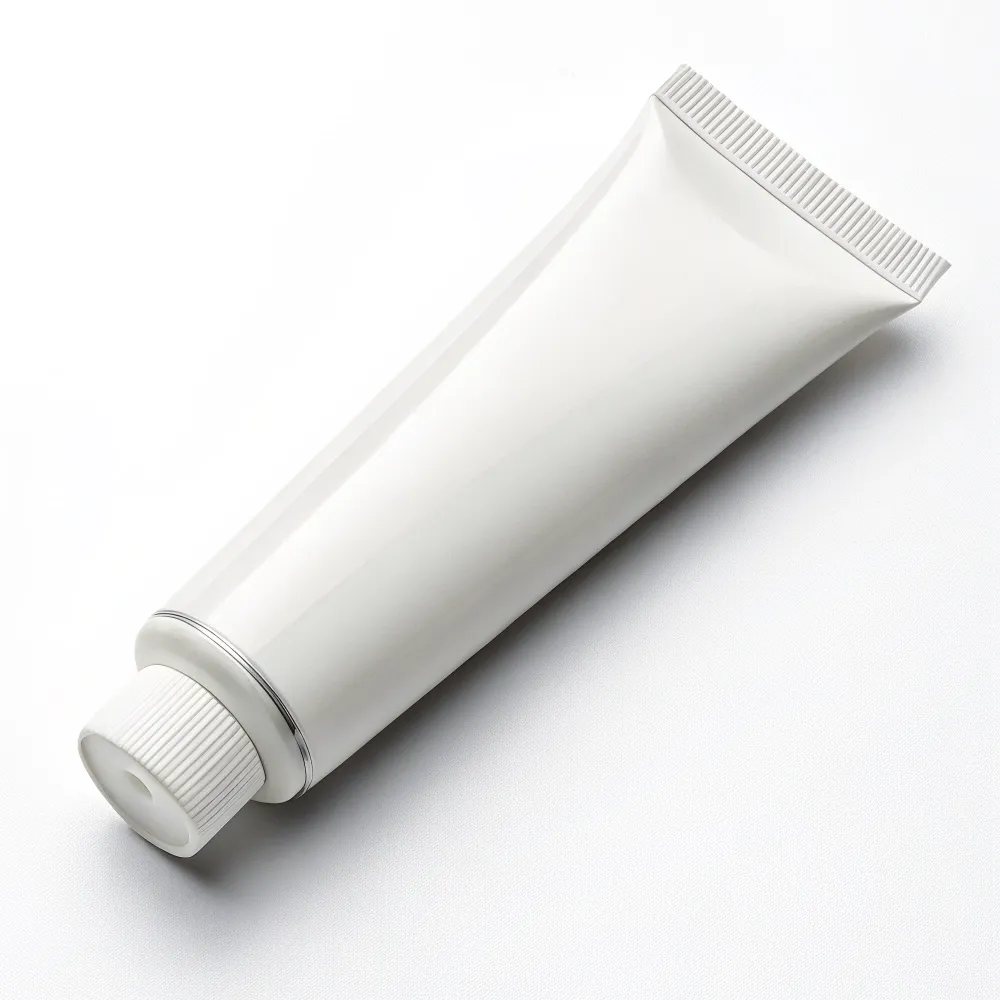
HALOVATE 0.05% CREAM (30GM)
Indications
HALOVATE 0.05% cream is a topical medication primarily indicated for the treatment of inflammatory skin conditions such as psoriasis, eczema, and dermatitis. It is particularly effective in managing symptoms associated with these conditions, including redness, itching, and inflammation. The formulation is designed for use in adults and children over the age of 12, providing relief from discomfort and improving the overall appearance of affected skin areas.
Mechanism of Action
HALOVATE contains halobetasol propionate, a potent synthetic corticosteroid. The mechanism of action involves the reduction of inflammation and immune response in the skin. Corticosteroids like halobetasol propionate exert their effects by binding to specific receptors in the cytoplasm of target cells, leading to the transcription of anti-inflammatory proteins and the suppression of pro-inflammatory cytokines. This action helps to decrease the infiltration of inflammatory cells and the production of mediators that contribute to skin irritation and discomfort.
Pharmacological Properties
HALOVATE 0.05% cream is characterized by its high potency among topical corticosteroids. Its pharmacokinetics are influenced by factors such as skin permeability, the condition being treated, and the duration of application. The cream formulation allows for effective penetration into the skin layers, providing localized relief with minimal systemic absorption. The pharmacological properties of halobetasol propionate include anti-inflammatory, antipruritic, and vasoconstrictive effects, making it suitable for various dermatological applications.
Contraindications
HALOVATE 0.05% cream is contraindicated in individuals with a known hypersensitivity to halobetasol propionate or any other components of the formulation. It should not be used in patients with viral infections, such as herpes simplex or varicella, fungal infections, or bacterial infections of the skin unless these infections are being treated concurrently. Additionally, it is not recommended for use on the face, groin, or axillae due to the increased risk of systemic absorption and potential side effects.
Side Effects
Common side effects associated with the use of HALOVATE 0.05% cream may include local reactions such as burning, stinging, itching, or dryness at the application site. Prolonged use or excessive application can lead to more severe side effects, including skin thinning, telangiectasia, and the development of striae. Systemic effects are rare but can occur, particularly with high-dose or long-term use, and may include adrenal suppression and Cushing’s syndrome. Patients should be advised to monitor for any unusual symptoms and to consult their healthcare provider if side effects persist or worsen.
Dosage and Administration
The recommended dosage of HALOVATE 0.05% cream is to apply a thin layer to the affected area of the skin once or twice daily, as directed by a healthcare professional. It is important to gently rub the cream into the skin until it is fully absorbed. Patients should avoid occlusive dressings unless instructed by their physician, as this can increase the risk of systemic absorption and side effects. Treatment duration should be limited to the shortest possible time to achieve the desired therapeutic effect, typically not exceeding two weeks for most conditions.
Interactions
While specific drug interactions with HALOVATE 0.05% cream are limited due to its topical application, caution should be exercised when used concurrently with other topical medications that may have similar effects. Patients should inform their healthcare provider of all medications they are currently taking, including over-the-counter products and herbal supplements, to avoid potential interactions. Additionally, the use of other corticosteroids, whether systemic or topical, should be approached with caution to prevent additive effects and increased risk of side effects.
Precautions
Patients using HALOVATE 0.05% cream should be monitored for signs of skin atrophy, especially with prolonged use. It is advisable to limit the application to the affected areas only and to avoid contact with sensitive areas such as the eyes or mucous membranes. Special care should be taken in pediatric patients, as they may be more susceptible to systemic absorption and side effects due to a higher surface area-to-volume ratio. Pregnant or breastfeeding women should consult their healthcare provider before using this medication to assess the risk-benefit ratio.
Clinical Studies
Clinical studies have demonstrated the efficacy of HALOVATE 0.05% cream in treating various inflammatory skin conditions. In randomized controlled trials, patients treated with halobetasol propionate showed significant improvement in symptoms such as itching and inflammation compared to placebo. The studies also highlighted the safety profile of the medication when used as directed, with a low incidence of adverse effects. Long-term studies have indicated that while the medication is effective, it should be used judiciously to minimize the risk of skin-related complications.
Conclusion
HALOVATE 0.05% cream is a highly effective topical corticosteroid for the management of inflammatory skin disorders. Its potent anti-inflammatory properties provide significant relief from symptoms associated with conditions like psoriasis and eczema. However, as with any medication, it is essential to use HALOVATE responsibly and under the guidance of a healthcare professional to ensure safety and efficacy. Patients should be educated about the proper application techniques, potential side effects, and the importance of adhering to prescribed treatment regimens.
Important
It is crucial to use HALOVATE 0.05% cream responsibly and as directed by a healthcare professional. Misuse or overuse of topical corticosteroids can lead to significant side effects. Always consult your physician for personalized advice and treatment options.