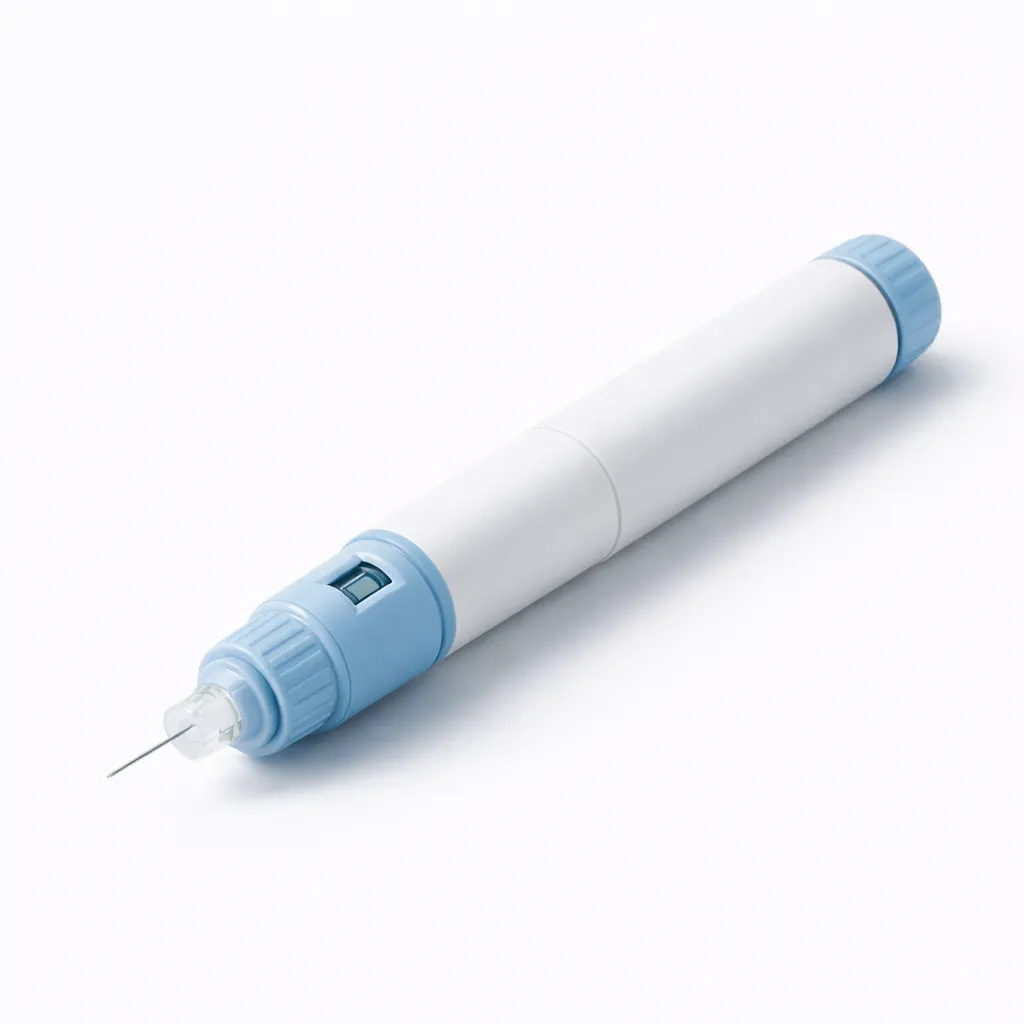
Description
HUMAN INSULATARD 40 IU
Indications
Human Insulatard 40 IU is an insulin formulation indicated for the management of diabetes mellitus. It is particularly useful for patients with Type 1 diabetes, where the pancreas produces little to no insulin, as well as for patients with Type 2 diabetes who require insulin therapy to maintain glycemic control. The formulation is designed to provide a prolonged action, making it suitable for once or twice daily administration, depending on the individual patient’s needs and regimen.
Mechanism of Action
Human Insulatard is a long-acting insulin preparation that mimics the physiological action of endogenous insulin. It facilitates the uptake of glucose by peripheral tissues, particularly muscle and adipose tissue, thereby lowering blood glucose levels. The mechanism involves binding to insulin receptors on target cells, which activates a cascade of intracellular processes that promote glucose transport into the cells. Additionally, it inhibits hepatic glucose production, further contributing to its hypoglycemic effects.
Pharmacological Properties
The pharmacokinetics of Human Insulatard 40 IU involve a gradual onset of action, typically beginning within 1 to 2 hours post-injection, with a peak effect occurring between 4 to 12 hours. The duration of action can last up to 24 hours, making it suitable for basal insulin replacement. The formulation is characterized by its stability and solubility, which are crucial for consistent absorption and efficacy. The pharmacodynamics of this insulin preparation ensures that it closely mimics the natural insulin secretion pattern of the pancreas, providing better glycemic control throughout the day.
Contraindications
Human Insulatard 40 IU is contraindicated in individuals with hypersensitivity to insulin or any of the excipients present in the formulation. It should not be used in patients experiencing episodes of hypoglycemia, as this could exacerbate their condition. Additionally, the use of this insulin preparation is not recommended in patients with diabetic ketoacidosis or in those who are acutely ill and require immediate glycemic control.
Side Effects
As with any insulin therapy, the most common side effect associated with Human Insulatard 40 IU is hypoglycemia, which can occur if the dosage exceeds the body’s insulin requirements. Other potential side effects include injection site reactions, such as redness, swelling, or itching. Some patients may also experience weight gain, which is often a result of improved glycemic control and subsequent changes in metabolism. Rarely, patients may develop insulin allergy or lipodystrophy at the injection site, which can affect insulin absorption.
Dosage and Administration
The dosage of Human Insulatard 40 IU must be individualized based on the patient’s needs, blood glucose monitoring results, and overall diabetes management plan. It is typically administered subcutaneously, either in the abdomen, thigh, or upper arm. The injection site should be rotated to minimize the risk of lipodystrophy. Patients are advised to follow their healthcare provider’s recommendations regarding timing and dosage adjustments, particularly in relation to meals and physical activity. Regular monitoring of blood glucose levels is essential to ensure optimal dosing and to prevent hypoglycemic events.
Interactions
Human Insulatard 40 IU may interact with various medications, which can affect its efficacy and safety. Drugs that may potentiate the hypoglycemic effect of insulin include oral hypoglycemic agents, beta-blockers, and certain antibiotics. Conversely, medications such as corticosteroids, diuretics, and thyroid hormones may reduce the effectiveness of insulin, leading to elevated blood glucose levels. It is crucial for patients to inform their healthcare providers of all medications they are taking, including over-the-counter drugs and supplements, to avoid potential interactions.
Precautions
Clinical Studies
Conclusion
Human Insulatard 40 IU is an effective long-acting insulin formulation that plays a crucial role in the management of diabetes mellitus. Its pharmacological properties allow for stable glycemic control, making it suitable for various patient populations. However, careful consideration of dosage, potential side effects, and drug interactions is essential for optimal therapy. Patients should work closely with their healthcare providers to develop a comprehensive diabetes management plan that includes regular monitoring and education on the safe use of insulin.
Important
It is essential to use Human Insulatard 40 IU responsibly and under medical supervision. Patients should adhere to prescribed dosages and regularly monitor their blood glucose levels to ensure effective diabetes management.