Description
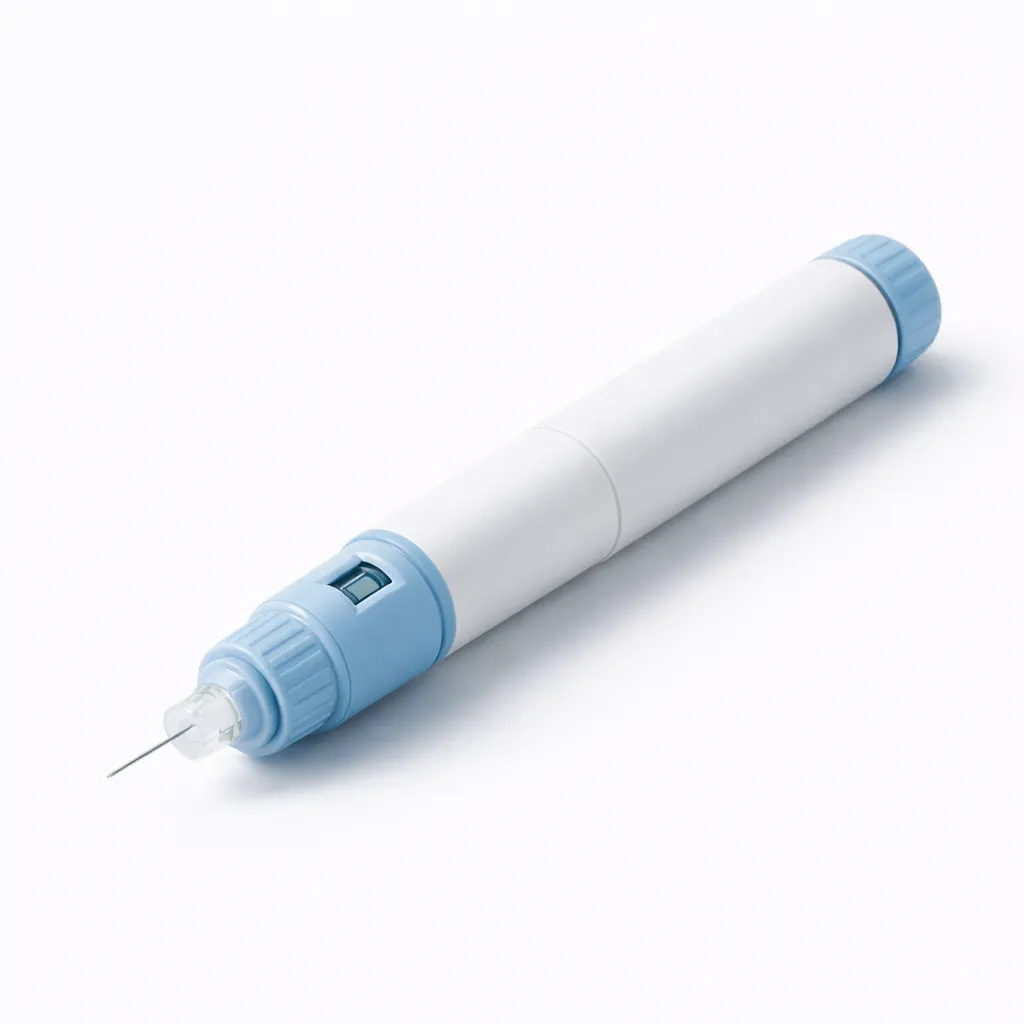
HUMINSULIN 30/70 INJ 40IU 10ML
Indications
HUMINSULIN 30/70 is a combination insulin product indicated for the management of diabetes mellitus in adult and pediatric patients. This formulation is particularly useful for individuals requiring both basal and prandial insulin coverage. It is designed to help control blood glucose levels effectively in patients with type 1 and type 2 diabetes. The 30/70 formulation consists of 30% short-acting insulin and 70% intermediate-acting insulin, allowing for both immediate and prolonged glycemic control.
Mechanism of Action
The action of HUMINSULIN 30/70 is primarily due to its insulin content. Insulin is a hormone produced by the pancreas that facilitates the uptake of glucose by tissues, thereby lowering blood glucose levels. The short-acting component (30%) begins to work within 30 minutes after injection, reaching its peak effect within 2 to 3 hours and lasting approximately 6 to 8 hours. The intermediate-acting component (70%) starts to take effect in about 1 to 2 hours, with a peak action occurring between 4 to 12 hours, and lasting up to 24 hours. This dual action helps in managing blood glucose levels throughout the day, particularly around mealtimes.
Pharmacological Properties
HUMINSULIN 30/70 is characterized by its pharmacokinetic properties that allow for effective glucose management. The pharmacodynamics of insulin involve the stimulation of glucose uptake in muscle and adipose tissues while inhibiting hepatic glucose production. The pharmacokinetics of HUMINSULIN varies based on the individual’s metabolic rate, injection site, and other factors. The formulation is typically administered subcutaneously, and the absorption rate can be affected by factors such as temperature and physical activity.
Contraindications
HUMINSULIN 30/70 is contraindicated in patients with a known hypersensitivity to insulin or any of the excipients in the formulation. It should not be used in individuals with severe hypoglycemia or in patients experiencing episodes of hypoglycemic unawareness. Additionally, it is contraindicated in patients with diabetic ketoacidosis, as immediate medical intervention is required in such cases.
Side Effects
The use of HUMINSULIN 30/70 may lead to several side effects, which can range from mild to severe. Common side effects include hypoglycemia, which may present as sweating, tremors, palpitations, and confusion. Other potential side effects include injection site reactions such as redness, swelling, or itching. In some cases, patients may experience weight gain, lipodystrophy, or allergic reactions. Severe side effects, although rare, may include anaphylaxis or severe insulin resistance.
Dosage and Administration
The dosage of HUMINSULIN 30/70 should be individualized based on the patient’s needs, blood glucose monitoring results, and lifestyle factors. It is typically administered subcutaneously in the abdominal area, thigh, or upper arm. The recommended starting dose for adults is generally between 0.5 to 1.0 units/kg/day, divided into two or three doses. Patients should be instructed on proper injection techniques and the importance of rotating injection sites to minimize the risk of lipodystrophy. Regular monitoring of blood glucose levels is essential to adjust the dosage as needed.
Interactions
HUMINSULIN 30/70 may interact with various medications, which can either potentiate or diminish its hypoglycemic effect. Certain medications, such as corticosteroids, thiazide diuretics, and sympathomimetics, may increase blood glucose levels, necessitating adjustments in insulin dosage. Conversely, other medications, including oral hypoglycemic agents, alcohol, and certain antibiotics, may enhance the effects of insulin, increasing the risk of hypoglycemia. It is crucial for patients to inform their healthcare providers about all medications they are taking to prevent potential interactions.
Precautions
Patients using HUMINSULIN 30/70 should be educated about the signs and symptoms of hypoglycemia and the importance of carrying fast-acting carbohydrates. Caution is advised in patients with renal or hepatic impairment, as these conditions may affect insulin metabolism and clearance. Additionally, patients should be monitored for changes in insulin requirements during periods of stress, illness, or changes in diet and physical activity. Regular follow-up appointments are essential to ensure optimal diabetes management and to make necessary adjustments to the treatment regimen.
Clinical Studies
Clinical studies have demonstrated the efficacy of HUMINSULIN 30/70 in controlling blood glucose levels in patients with diabetes. A randomized controlled trial published in a peer-reviewed journal indicated that patients using HUMINSULIN 30/70 experienced significant reductions in HbA1c levels compared to those using other insulin regimens. Furthermore, the study highlighted the importance of individualized treatment plans to achieve optimal glycemic control while minimizing the risk of hypoglycemia. Long-term studies have also shown that patients using HUMINSULIN 30/70 have improved quality of life and reduced diabetes-related complications.
Conclusion
HUMINSULIN 30/70 is a well-established insulin formulation that provides effective glycemic control for patients with diabetes mellitus. Its unique combination of short-acting and intermediate-acting insulin allows for both immediate and sustained blood glucose management. While it is generally well-tolerated, patients should be aware of potential side effects and interactions with other medications. Regular monitoring and communication with healthcare providers are essential for optimizing treatment outcomes and ensuring safe use of this medication.
Important
It is crucial to use HUMINSULIN 30/70 responsibly and under the guidance of a healthcare professional. Patients should adhere to prescribed dosages and regularly monitor their blood glucose levels to prevent complications associated with diabetes management.