Description
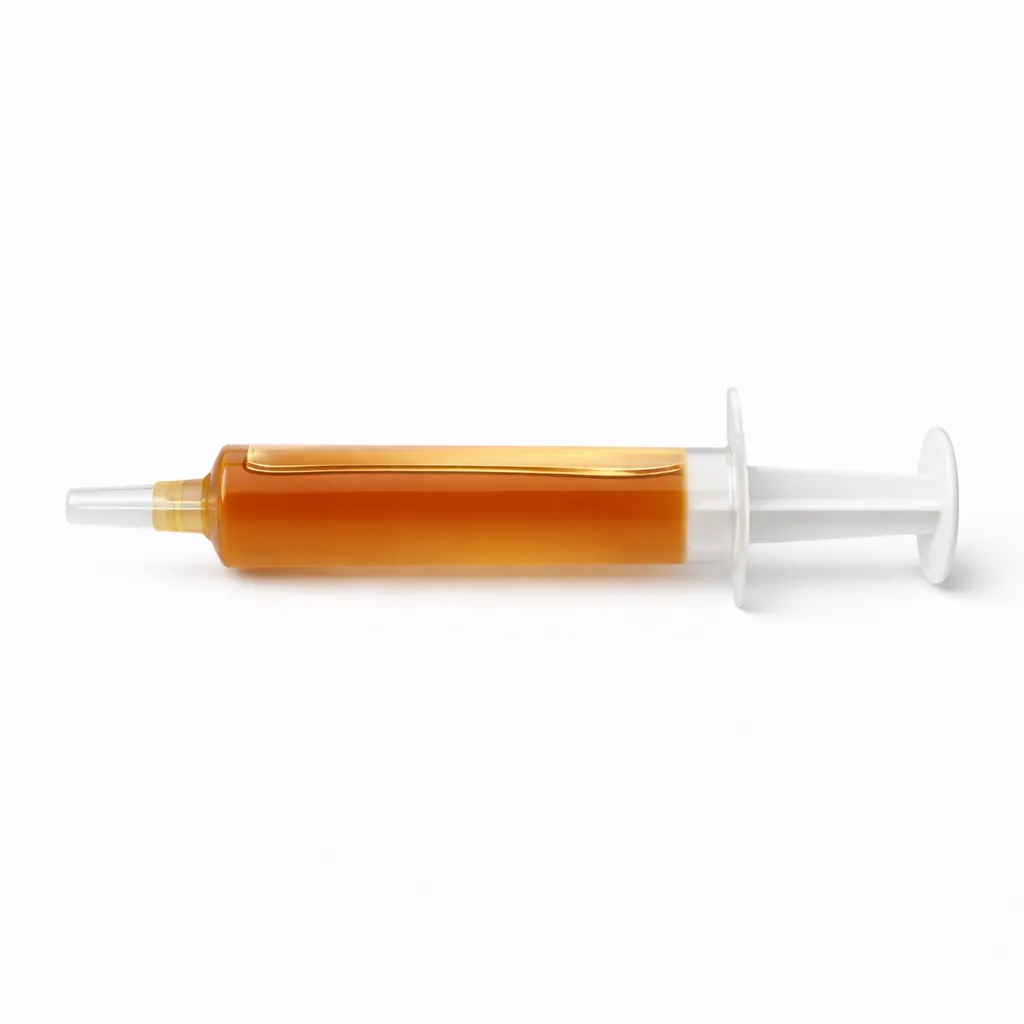
HUMINSULIN-N 100IU INJ
Indications
HUMINSULIN-N 100IU INJ is primarily indicated for the management of diabetes mellitus, particularly in patients with type 1 and type 2 diabetes who require insulin therapy to maintain optimal blood glucose levels. This formulation is especially beneficial for patients who experience fluctuations in their blood sugar levels and require a long-acting insulin to provide basal glycemic control. It is also indicated for diabetic patients undergoing surgery or those experiencing stress-induced hyperglycemia.
Mechanism of Action
HUMINSULIN-N is a recombinant human insulin that mimics the action of endogenous insulin produced by the pancreas. It functions by facilitating the uptake of glucose into the cells, particularly in muscle and adipose tissues, thereby lowering blood glucose levels. The NPH (Neutral Protamine Hagedorn) component of HUMINSULIN-N provides a delayed onset of action, allowing for a sustained release of insulin over an extended period. This mechanism helps in maintaining stable blood glucose levels throughout the day, particularly during fasting periods.
Pharmacological Properties
HUMINSULIN-N is characterized by its pharmacokinetic properties that include a moderate onset of action, typically occurring within 1 to 2 hours after subcutaneous injection, with a peak action at approximately 4 to 12 hours. The duration of action is generally between 10 to 16 hours, making it suitable for once or twice-daily dosing depending on the individual patient’s needs. The pharmacodynamics of HUMINSULIN-N is influenced by factors such as the injection site, blood flow, and the presence of other medications.
Contraindications
HUMINSULIN-N should not be administered to individuals with a known hypersensitivity to insulin or any of its excipients. It is also contraindicated in patients experiencing episodes of hypoglycemia, as the administration of insulin in such cases can exacerbate the condition. Additionally, caution should be exercised in patients with renal or hepatic impairment, as these conditions may alter the metabolism and clearance of insulin.
Side Effects
Common side effects associated with HUMINSULIN-N include hypoglycemia, which may present as symptoms such as dizziness, sweating, palpitations, and confusion. Other potential side effects include injection site reactions such as redness, swelling, or itching. Less frequently, patients may experience weight gain, lipodystrophy, or allergic reactions. It is crucial for patients to monitor their blood glucose levels regularly to minimize the risk of hypoglycemia and to report any adverse effects to their healthcare provider promptly.
Dosage and Administration
The dosage of HUMINSULIN-N must be individualized based on the patient’s metabolic needs, blood glucose levels, and lifestyle factors. It is typically administered subcutaneously, with the injection site being rotated to prevent lipodystrophy. For adults with type 1 diabetes, the usual starting dose ranges from 0.5 to 1.0 IU/kg/day, while for those with type 2 diabetes, the starting dose may be lower, depending on the patient’s insulin sensitivity. Dosing adjustments may be necessary based on the patient’s response to therapy, dietary habits, and physical activity levels.
Interactions
HUMINSULIN-N may interact with various medications, which can either potentiate or diminish its hypoglycemic effects. Drugs such as corticosteroids, diuretics, and certain antipsychotics may increase blood glucose levels and require dosage adjustments. Conversely, medications like sulfonylureas, beta-blockers, and alcohol can enhance the risk of hypoglycemia. It is essential for patients to inform their healthcare provider of all medications they are taking, including over-the-counter drugs and supplements, to ensure safe and effective insulin therapy.
Precautions
Patients using HUMINSULIN-N should be educated on the signs and symptoms of hypoglycemia and hyperglycemia to enable prompt recognition and management. It is also important for patients to maintain a consistent eating schedule and adhere to their prescribed diet to optimize glycemic control. Special precautions should be taken for individuals with a history of cardiovascular disease, renal impairment, or those who are pregnant or breastfeeding. Regular monitoring of blood glucose levels is essential for all patients to ensure effective management of diabetes.
Clinical Studies
Numerous clinical studies have demonstrated the efficacy and safety of HUMINSULIN-N in managing blood glucose levels in patients with diabetes. In a randomized controlled trial, patients using HUMINSULIN-N experienced significant reductions in HbA1c levels compared to those on placebo. Additionally, studies have shown that HUMINSULIN-N is effective in maintaining glycemic control with a low incidence of hypoglycemic events when used as part of a comprehensive diabetes management plan. These findings support the use of HUMINSULIN-N as a reliable option for insulin therapy in various diabetic populations.
Conclusion
HUMINSULIN-N 100IU INJ is a vital therapeutic option for individuals with diabetes mellitus, providing effective glycemic control through its unique pharmacological properties. Understanding its indications, mechanism of action, dosing, and potential side effects is crucial for both healthcare providers and patients. With proper education and monitoring, HUMINSULIN-N can significantly improve the quality of life for those managing diabetes, reducing the risk of complications associated with uncontrolled blood glucose levels.
Important
It is essential to use HUMINSULIN-N responsibly and under the guidance of a healthcare professional. Patients should adhere to their prescribed treatment plans and regularly monitor their blood glucose levels to ensure optimal management of their diabetes.