Description
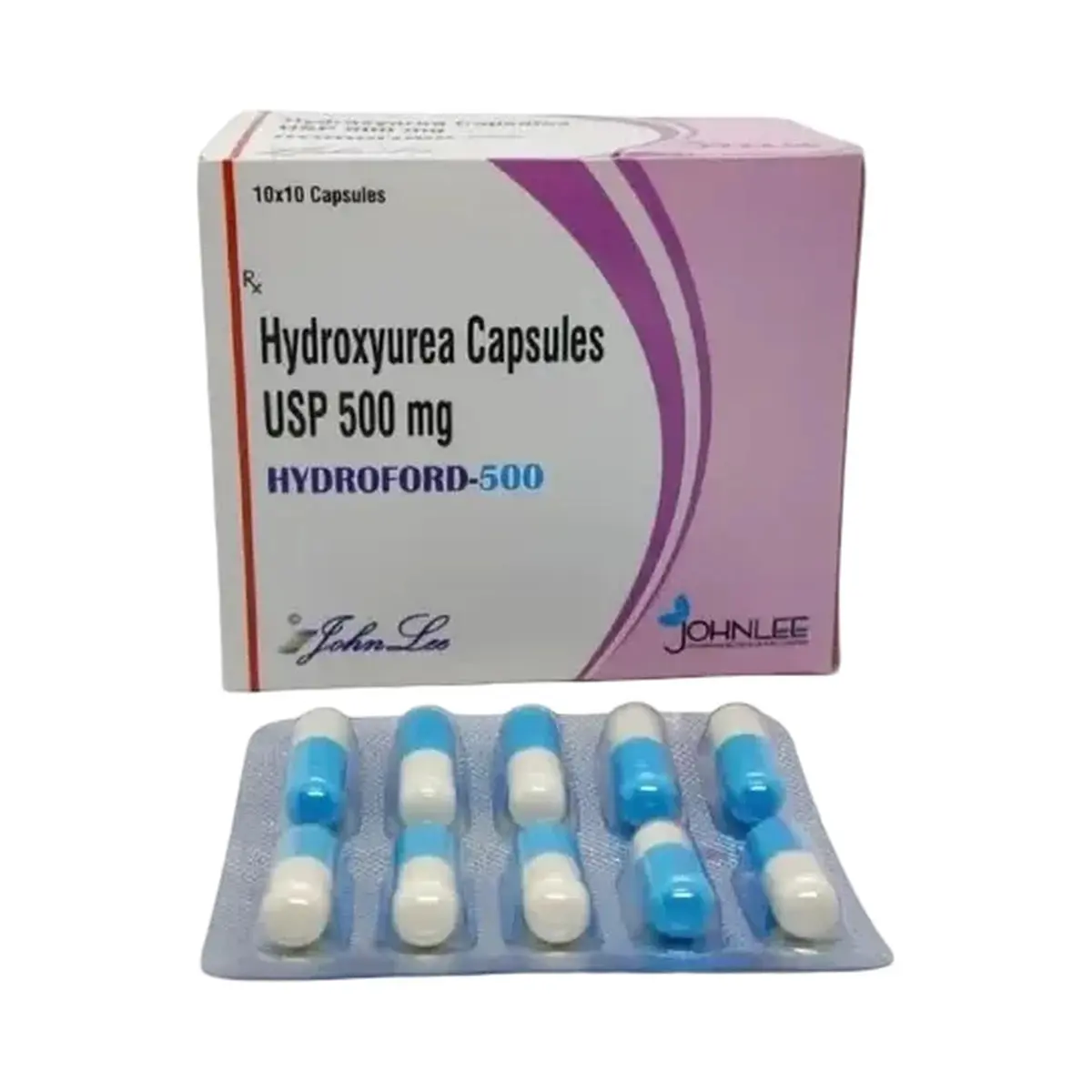
Hydraford (Hydroxyurea) 500 mg
Hydraford 500 mg is a capsule formulation containing hydroxyurea, a cytotoxic antimetabolite medicine used in oncology. The verified product information for hydroxyurea capsules identifies it as an oral prescription medicine with established use in certain cancers.
Active Ingredient and Medicine Class
The active ingredient is hydroxyurea. It belongs to the antimetabolite class and is also described as a cytotoxic antineoplastic medicine. Hydroxyurea affects rapidly dividing cells by interfering with DNA synthesis, which is why it is used in selected malignant disorders.
Established Medical Uses
For hydroxyurea capsules, the officially verified indications include resistant chronic myeloid leukemia and locally advanced squamous cell carcinomas of the head and neck when used in combination with concurrent chemoradiation. These are the uses supported by the prescribing information for this capsule medicine.
How It Works
Hydroxyurea suppresses cell growth by disrupting the production of genetic material needed for cell division. In cancer treatment, this can slow or stop the proliferation of abnormal cells. The medicine is considered cytotoxic because it can also affect normal rapidly dividing cells, especially those in the bone marrow and gastrointestinal tract.
Important Safety Information
Hydroxyurea should not be used in people with a previous hypersensitivity to hydroxyurea or any component of the formulation. Important warnings include severe myelosuppression, with leukopenia as a common early sign, and the need for blood count monitoring during treatment. The prescribing information also warns about hemolytic anemia, potential carcinogenic risk with long-term exposure, and embryo-fetal toxicity.
Clinically significant interactions include increased toxicity with some antiretroviral medicines. The label also notes laboratory test interference. Because hydroxyurea is a cytotoxic drug, special handling precautions are part of official prescribing information.
Possible Side Effects
Common adverse reactions reported in the prescribing information include hematological effects, gastrointestinal symptoms, and anorexia. Serious reactions can include bone marrow suppression, anemia, hemolytic anemia, skin reactions, pulmonary toxicity, and other complications requiring prompt medical evaluation.
Scientific Evidence
Published clinical reviews have also evaluated hydroxyurea in sickle cell disease, where it has been associated with reduced painful crises, fewer blood transfusions, and increased fetal hemoglobin. These findings are important scientifically, but they do not change the officially verified indications for this specific capsule product. Hydroxyurea remains a well-studied medicine with benefits that extend beyond oncology in other approved or studied settings.
Medical Information Notice
This page is an educational summary based on sources available at the time of review. It does not replace the official patient leaflet, prescribing information, or assessment by a qualified healthcare professional.
Medical Sources
- U.S. FDA / DailyMed. Hydroxyurea Capsules, Full Prescribing Information
- U.S. FDA. DROXIA (hydroxyurea) capsules, Prescribing Information
- Sophie Lanzkron et al. Systematic review: Hydroxyurea for the treatment of adults with sickle cell disease. Annals of Internal Medicine, 2008. View scientific article
- Julie Kanter et al. Hydroxyurea therapy for sickle cell anemia. Expert Opinion on Pharmacotherapy, 2015. View scientific article