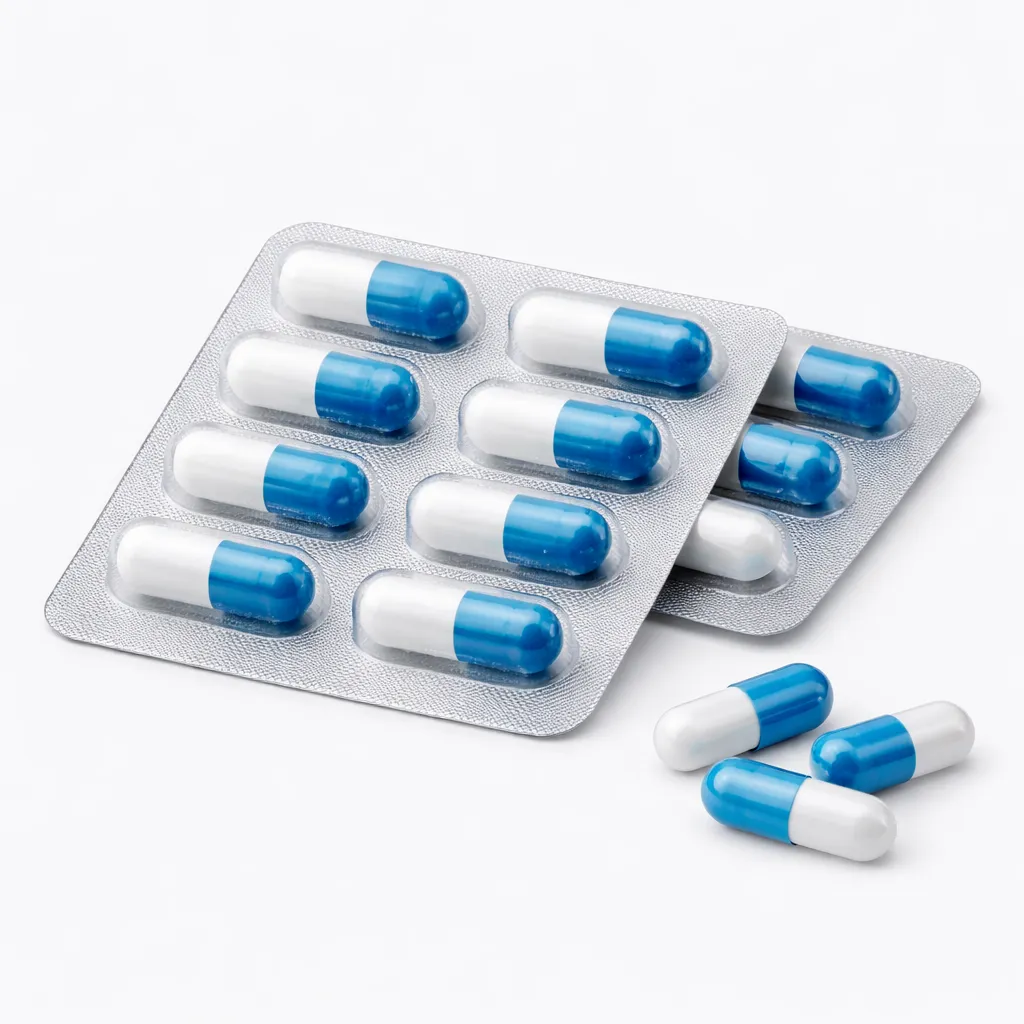
Description
HYLAZINE 25 MG
Indications
HYLAZINE 25 MG is primarily indicated for the treatment of hypertension, particularly in patients who may require a rapid reduction in blood pressure. It is also used in certain cases of heart failure and may be administered in combination with other antihypertensive agents to enhance therapeutic efficacy. The medication is particularly beneficial for patients who do not respond adequately to other antihypertensive treatments.
Mechanism of Action
HYLAZINE acts as a direct vasodilator, primarily affecting the smooth muscle of the blood vessels. By relaxing these muscles, it leads to a decrease in peripheral vascular resistance, which in turn lowers blood pressure. The exact mechanism involves the opening of potassium channels in vascular smooth muscle, leading to hyperpolarization and subsequent relaxation. This action results in increased blood flow to various tissues and organs, improving oxygen delivery and reducing the workload on the heart.
Pharmacological Properties
HYLAZINE is characterized by its rapid onset of action, typically within 20 minutes when administered intravenously, and a duration of effect that can last up to 4 hours. The pharmacokinetics of HYLAZINE indicate that it is well absorbed after oral administration, with peak plasma concentrations occurring approximately 1 to 2 hours post-dose. The drug is metabolized primarily in the liver, and its metabolites are excreted via the kidneys. The half-life of HYLAZINE is approximately 3 to 8 hours, depending on individual patient factors.
Contraindications
HYLAZINE should not be used in patients with known hypersensitivity to the drug or its components. It is also contraindicated in individuals with a history of coronary artery disease or rheumatic heart disease, as the vasodilatory effects may precipitate angina or myocardial ischemia. Additionally, the use of HYLAZINE is not recommended in patients with severe renal impairment or those who are pregnant unless the potential benefits outweigh the risks.
Side Effects
Common side effects associated with HYLAZINE include headache, dizziness, palpitations, and gastrointestinal disturbances such as nausea and vomiting. Patients may also experience reflex tachycardia due to the sudden decrease in blood pressure. In rare cases, more severe side effects such as lupus-like syndrome, peripheral edema, and allergic reactions may occur. It is essential for patients to report any unusual symptoms to their healthcare provider promptly.
Dosage and Administration
The dosage of HYLAZINE is individualized based on the patient’s clinical condition and response to treatment. For adults, the initial oral dose is typically 10 mg taken three times daily, which may be increased gradually to a maximum of 50 mg per day, divided into multiple doses. In cases of hypertensive emergencies, intravenous administration may be necessary, with doses ranging from 5 to 20 mg, repeated as needed to achieve the desired blood pressure control. It is crucial to monitor blood pressure regularly during treatment to avoid hypotension.
Interactions
HYLAZINE may interact with other medications, particularly those that also lower blood pressure, such as diuretics and beta-blockers. Concurrent use may lead to an additive hypotensive effect, necessitating careful monitoring and possible dosage adjustments. Additionally, the use of non-steroidal anti-inflammatory drugs (NSAIDs) may reduce the antihypertensive efficacy of HYLAZINE. Patients should inform their healthcare provider of all medications they are taking to avoid potential interactions.
Precautions
Before initiating treatment with HYLAZINE, a thorough medical history should be obtained, and a physical examination should be conducted. Special caution is warranted in patients with a history of heart disease, renal impairment, or those who are elderly. Regular monitoring of blood pressure and renal function is recommended throughout the course of treatment. Patients should also be advised to avoid sudden changes in position to minimize the risk of orthostatic hypotension.
Clinical Studies
Numerous clinical studies have evaluated the efficacy and safety of HYLAZINE in the management of hypertension and heart failure. In a randomized controlled trial, patients treated with HYLAZINE demonstrated significant reductions in systolic and diastolic blood pressure compared to placebo. Furthermore, studies have shown that when used in combination with other antihypertensive agents, HYLAZINE can enhance overall blood pressure control and improve patient outcomes. Long-term data suggest that HYLAZINE is generally well-tolerated, with a favorable safety profile in the majority of patients.
Conclusion
HYLAZINE 25 MG is a valuable therapeutic option for the management of hypertension and certain heart failure conditions. Its unique mechanism of action as a direct vasodilator provides rapid and effective blood pressure control. However, careful consideration of contraindications, potential side effects, and drug interactions is essential for safe and effective use. Patients should work closely with their healthcare provider to develop a personalized treatment plan that maximizes the benefits of HYLAZINE while minimizing risks.
Important
It is crucial to use HYLAZINE responsibly and under the supervision of a qualified healthcare professional. Adherence to prescribed dosages and regular monitoring can help ensure optimal therapeutic outcomes while minimizing potential risks.