
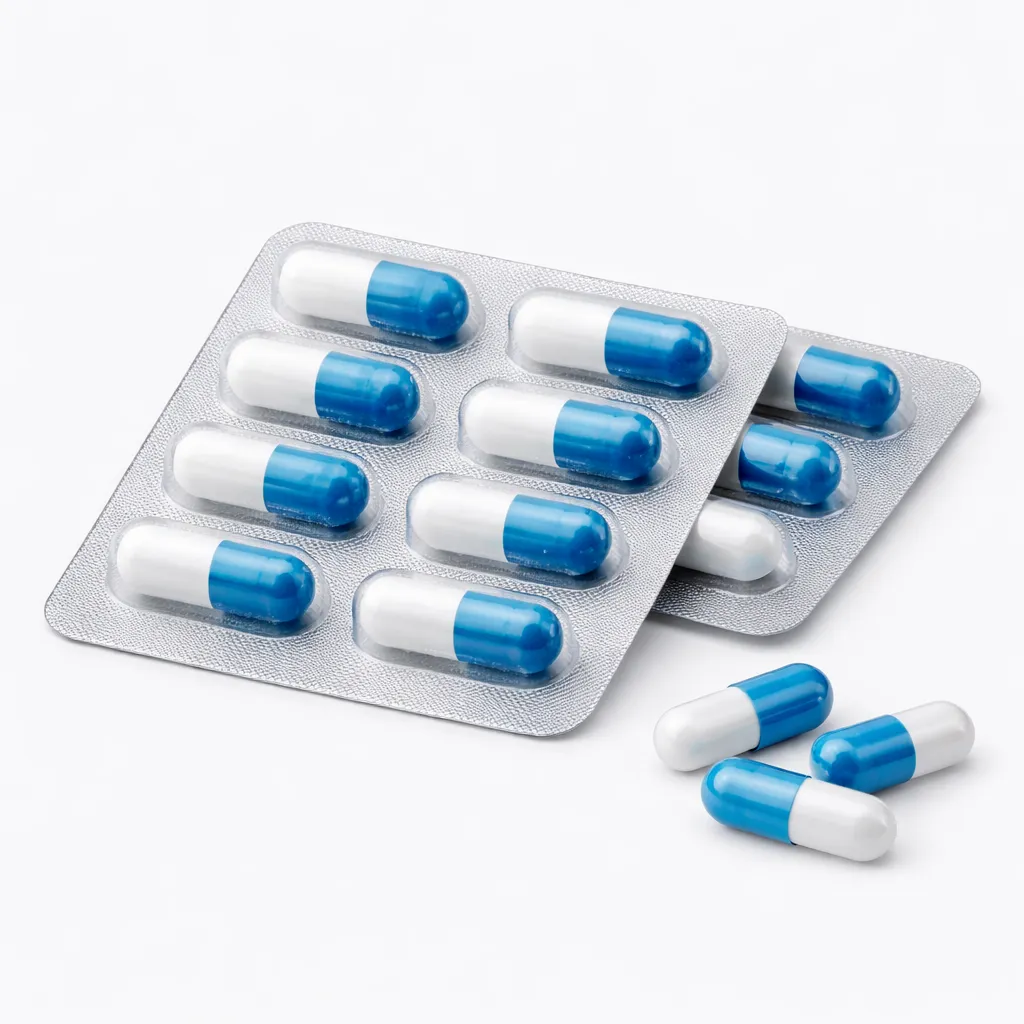
Description
ISOTANE 10MG
Indications
ISOTANE 10MG is primarily indicated for the treatment of severe acne, particularly nodular acne that has not responded to conventional therapies. It is also used in cases of acne that may lead to scarring or psychological distress. Additionally, ISOTANE may be prescribed for other dermatological conditions as determined by a healthcare professional, such as severe keratosis or certain types of skin cancers.
Mechanism of Action
ISOTANE contains isotretinoin, a retinoid that acts on the skin’s sebaceous glands. The drug reduces sebum production, which is a key factor in the development of acne. By decreasing the size and activity of sebaceous glands, ISOTANE effectively lowers the amount of oil on the skin surface. Furthermore, isotretinoin promotes the normalization of keratinization in hair follicles, which helps to prevent the formation of comedones (clogged pores). It also exhibits anti-inflammatory properties, reducing the inflammatory response associated with acne lesions.
Pharmacological Properties
ISOTANE is a synthetic derivative of vitamin A, classified as a retinoid. After oral administration, isotretinoin is rapidly absorbed and reaches peak plasma concentrations within 1 to 4 hours. The bioavailability of isotretinoin is influenced by food intake; taking the medication with meals enhances absorption. The drug is extensively metabolized in the liver, and its metabolites are excreted primarily in urine. The half-life of isotretinoin ranges from 10 to 20 hours, which can be prolonged in cases of hepatic impairment. ISOTANE is lipophilic, allowing it to accumulate in fatty tissues and the skin.
Contraindications
ISOTANE is contraindicated in several situations, including:
- Pregnancy: Isotretinoin is highly teratogenic and can cause severe fetal abnormalities.
- Breastfeeding: The drug is excreted in breast milk and may harm a nursing infant.
- Hypersensitivity: Patients with a known allergy to isotretinoin or any of its components should not use this medication.
- Severe liver disease: Patients with hepatic impairment may experience increased toxicity.
- Hyperlipidemia: Individuals with a history of hyperlipidemia should avoid this medication due to the risk of increased triglyceride levels.
Side Effects
Common side effects of ISOTANE include:
- Dry skin and mucous membranes
- Chapped lips
- Dry eyes
- Itching or peeling of the skin
- Nosebleeds
Less common but more severe side effects can include:
- Severe headache or vision changes
- Depression or mood changes
- Pancreatitis
- Elevated liver enzymes
- Severe allergic reactions
Patients should be monitored regularly for these adverse effects, and any severe reactions should be reported to a healthcare provider immediately.
Dosage and Administration
The recommended initial dosage of ISOTANE for adults and adolescents is typically 0.5 mg/kg/day, which may be adjusted based on the patient’s response and tolerance. The total cumulative dose for severe acne treatment is generally between 120 mg/kg to 150 mg/kg, administered over a period of 15 to 20 weeks. It is crucial to take ISOTANE with food to enhance absorption. Patients should follow their healthcare provider’s instructions regarding dosage adjustments and duration of therapy.
Interactions
ISOTANE may interact with several medications and substances, including:
- Vitamin A supplements: Concurrent use can lead to hypervitaminosis A.
- Anticonvulsants: Some medications may affect isotretinoin metabolism, increasing the risk of side effects.
- Oral contraceptives: While isotretinoin is effective in treating acne, it is essential for women of childbearing age to use effective contraception during treatment to prevent pregnancy.
- Other acne treatments: Combining isotretinoin with other systemic retinoids or tetracyclines can increase the risk of adverse effects.
Patients should inform their healthcare provider of all medications, supplements, and herbal products they are taking to avoid potential interactions.
Precautions
Before starting treatment with ISOTANE, patients should be thoroughly evaluated for contraindications and potential risks. Women of childbearing age must undergo pregnancy testing before initiation and during treatment. It is recommended to use two forms of effective contraception for at least one month before, during, and after treatment. Regular monitoring of liver function tests and lipid levels is essential, especially during the first few months of therapy. Patients should also be advised to avoid sun exposure and to use sunscreen, as isotretinoin can increase skin sensitivity to UV radiation.
Clinical Studies
Numerous clinical studies have demonstrated the efficacy of isotretinoin in treating severe acne. A meta-analysis published in the Journal of the American Academy of Dermatology reviewed data from multiple trials and concluded that isotretinoin significantly reduces the severity and frequency of acne lesions, with a high rate of long-term remission. Another study highlighted the importance of cumulative dosing, indicating that higher total doses correlate with lower relapse rates. These findings support the use of ISOTANE as a first-line treatment for severe, recalcitrant acne.
Conclusion
ISOTANE 10MG is a potent medication for the treatment of severe acne and other related dermatological conditions. Its effectiveness in reducing acne lesions and preventing scarring makes it a valuable option for patients who have not responded to other treatments. However, due to its potential side effects and contraindications, it is crucial for patients to be closely monitored by healthcare professionals throughout their treatment course. Proper education regarding the risks and benefits of ISOTANE is essential to ensure safe and effective use.
Important
ISOTANE should be used responsibly and under the supervision of a qualified healthcare provider. Patients must adhere to prescribed dosages and understand the importance of follow-up appointments to monitor health and manage any potential side effects.
