
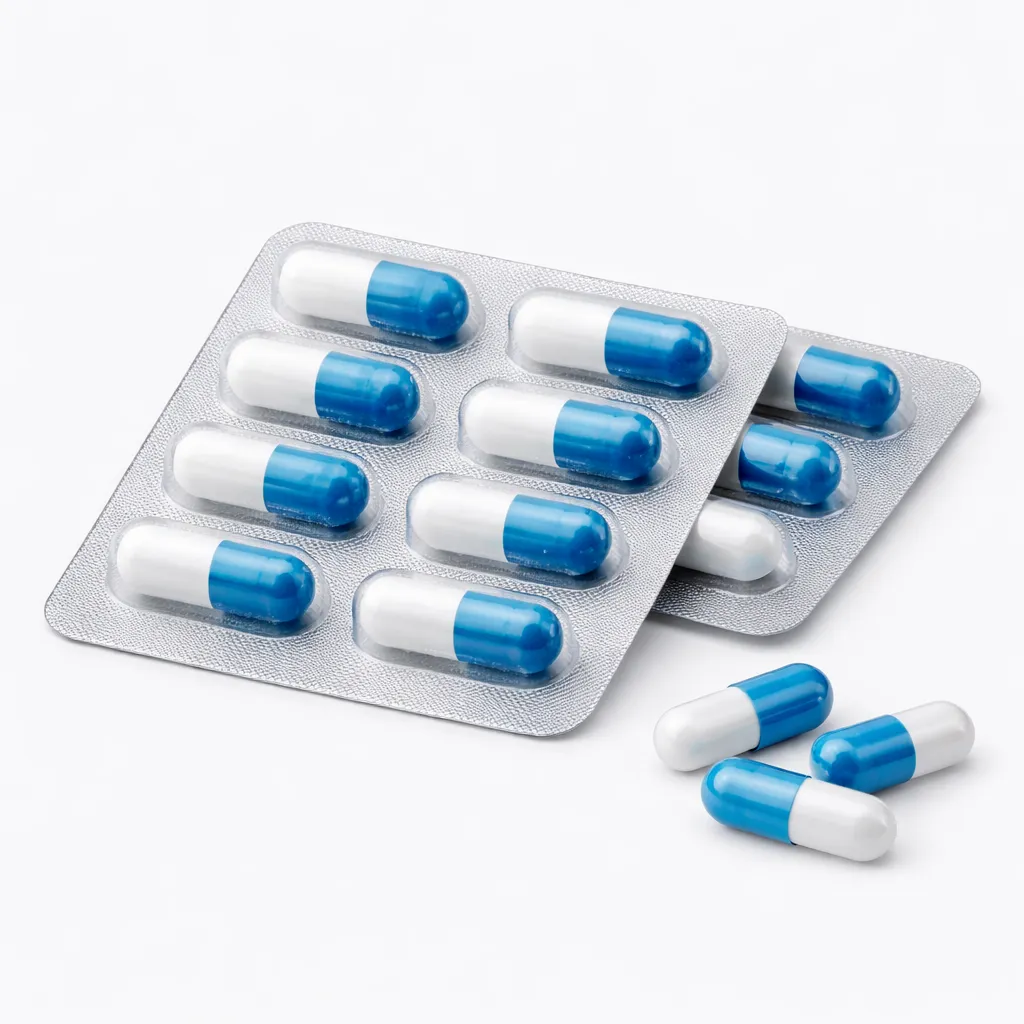
Description
ITRADILA 100 MG
Indications
Itradila 100 mg is primarily indicated for the treatment of various vascular disorders, particularly in patients suffering from peripheral vascular diseases. It is also utilized in the management of certain types of cerebrovascular insufficiency, where improved blood flow can significantly enhance patient outcomes. Itradila is often prescribed to alleviate symptoms associated with these conditions, such as claudication and transient ischemic attacks.
Mechanism of Action
The pharmacological action of Itradila is attributed to its ability to enhance blood flow by acting as a vasodilator. It works by inhibiting the uptake of norepinephrine and promoting the release of nitric oxide, which leads to relaxation of vascular smooth muscle. This mechanism results in the dilation of blood vessels, improving circulation and oxygen delivery to tissues. Additionally, Itradila may also exhibit neuroprotective effects, contributing to its efficacy in cerebrovascular conditions.
Pharmacological Properties
Itradila is classified as a vasodilator and is known for its selective action on peripheral blood vessels. The drug is rapidly absorbed after oral administration, with peak plasma concentrations typically occurring within 1 to 2 hours. It has a half-life of approximately 4 to 6 hours, allowing for effective dosing schedules. Itradila is extensively metabolized in the liver, and its metabolites are primarily excreted via the kidneys. The pharmacokinetics of Itradila may vary based on individual patient factors, including age, liver function, and concurrent medications.
Contraindications
Itradila should not be administered to patients with known hypersensitivity to the drug or any of its components. It is also contraindicated in individuals with severe hypotension, cardiogenic shock, or significant arrhythmias. Caution is advised when prescribing Itradila to patients with renal or hepatic impairment, as the drug’s metabolism and excretion may be affected in these populations.
Side Effects
Common side effects associated with Itradila include headache, dizziness, and gastrointestinal disturbances such as nausea and diarrhea. Patients may also experience flushing and palpitations due to the vasodilatory effects of the medication. In rare cases, more severe adverse reactions such as hypotension, allergic reactions, or liver enzyme elevations may occur. It is essential for patients to report any unusual symptoms to their healthcare provider promptly.
Dosage and Administration
The recommended dosage of Itradila for adults typically starts at 100 mg taken orally three times a day. Depending on the patient’s response and tolerability, the dosage may be adjusted by the healthcare provider. It is advisable for patients to take the medication with food to enhance absorption and minimize gastrointestinal side effects. Adherence to the prescribed regimen is crucial for optimal therapeutic outcomes.
Interactions
Itradila may interact with other medications, potentially altering its efficacy or increasing the risk of adverse effects. Concomitant use of other antihypertensive agents may lead to additive hypotensive effects, necessitating careful monitoring of blood pressure. Additionally, drugs that affect liver enzymes, such as certain antifungals and antiepileptics, may influence the metabolism of Itradila. Patients should inform their healthcare provider of all medications, supplements, and herbal products they are taking to prevent potential interactions.
Precautions
Before initiating treatment with Itradila, a thorough medical history and assessment of the patient’s cardiovascular status are essential. Regular monitoring of blood pressure is recommended, especially during the initial stages of therapy. Patients with a history of heart failure or significant cardiovascular disease should be monitored closely for any signs of exacerbation. It is also important to evaluate renal and liver function periodically during treatment, as these factors can influence drug metabolism and safety.
Clinical Studies
Clinical studies have demonstrated the efficacy of Itradila in improving symptoms associated with peripheral vascular diseases and cerebrovascular insufficiency. In randomized controlled trials, patients receiving Itradila showed significant improvements in walking distance and quality of life compared to those receiving placebo. Additionally, studies have indicated that Itradila may reduce the incidence of transient ischemic attacks in at-risk populations. Ongoing research continues to explore the full therapeutic potential of Itradila in various vascular conditions.
Conclusion
Itradila 100 mg is a valuable therapeutic option for patients suffering from peripheral vascular disorders and cerebrovascular insufficiency. Its vasodilatory properties enhance blood flow and improve clinical symptoms, contributing to better patient outcomes. While generally well-tolerated, it is essential to consider potential side effects, contraindications, and drug interactions. Healthcare providers should ensure proper patient education and monitoring to optimize the benefits of Itradila therapy.
Important
It is crucial to use Itradila 100 mg responsibly and under the guidance of a qualified healthcare professional. Patients should adhere to prescribed dosages and report any side effects or concerns to their provider promptly.


