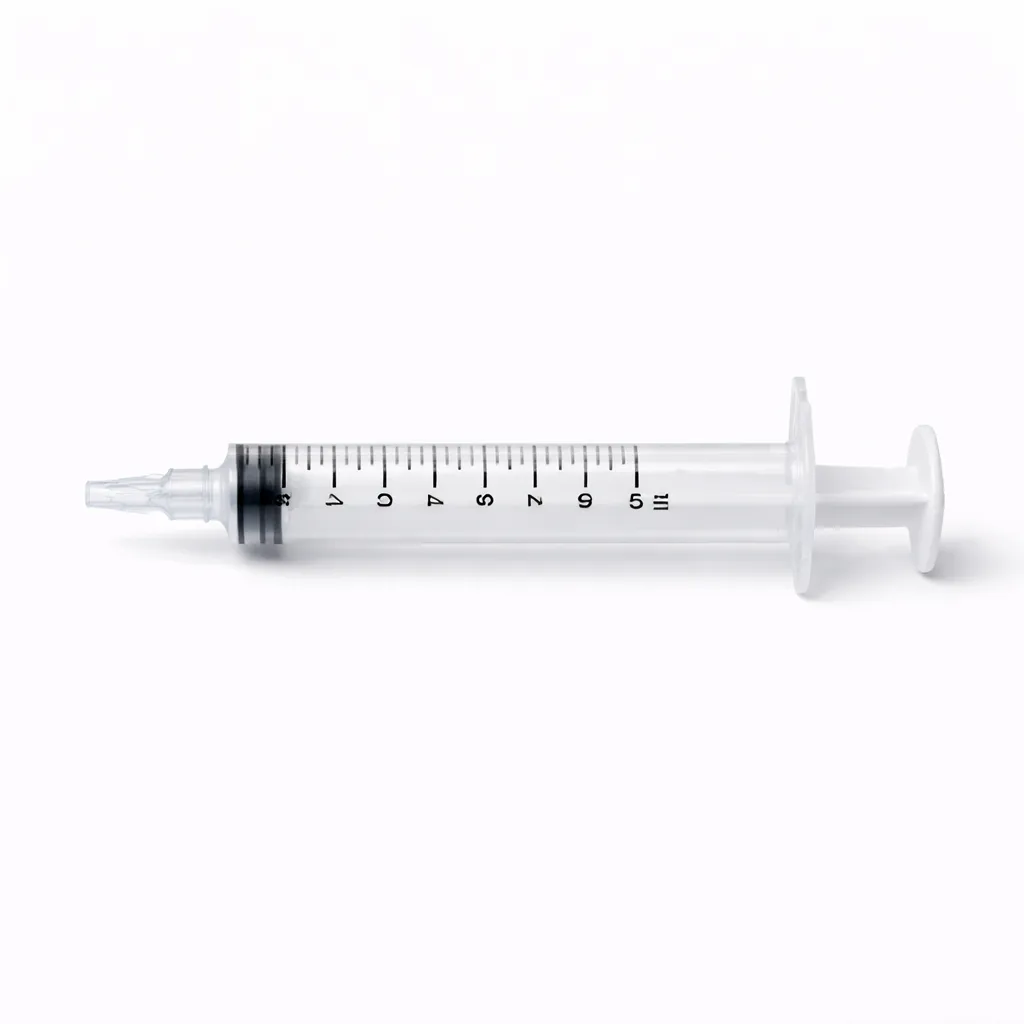
Description
IVERVID 6 MG
Indications
IVERVID 6 MG is primarily indicated for the treatment of various parasitic infections, particularly those caused by certain species of helminths and protozoa. It is commonly prescribed for conditions such as strongyloidiasis, ascariasis, and other intestinal nematode infections. Additionally, it may be used in the management of certain dermatological conditions caused by parasites. The drug is effective in eliminating these parasites, thereby alleviating symptoms and preventing complications associated with the infections.
Mechanism of Action
The active ingredient in IVERVID 6 MG is Ivermectin, which functions by binding to specific channels in the nervous system and muscle cells of parasites. This binding leads to an increase in the permeability of the cell membrane to chloride ions, resulting in paralysis and death of the parasites. Ivermectin also enhances the release of gamma-aminobutyric acid (GABA), a neurotransmitter that further contributes to the paralysis of the parasites. This dual action makes IVERVID effective against a wide range of parasitic infections.
Pharmacological Properties
IVERVID 6 MG exhibits a broad spectrum of activity against various parasites. It is well absorbed in the gastrointestinal tract, with peak plasma concentrations occurring approximately 4 hours after oral administration. The drug has a half-life of approximately 18 hours, allowing for once-daily dosing in most cases. Ivermectin is metabolized in the liver and excreted primarily through the feces. Its pharmacokinetic properties support its use in treating both acute and chronic infections.
Contraindications
IVERVID 6 MG is contraindicated in patients with a known hypersensitivity to Ivermectin or any of the excipients in the formulation. Additionally, it should not be administered to pregnant or breastfeeding women unless the potential benefits outweigh the risks. Caution is advised in patients with liver impairment, as the metabolism of Ivermectin may be affected, leading to increased plasma levels and potential toxicity.
Side Effects
While IVERVID 6 MG is generally well-tolerated, some patients may experience side effects. Common adverse reactions include dizziness, nausea, diarrhea, and fatigue. More severe side effects, although rare, can occur, including allergic reactions, hypotension, and neurological effects such as seizures or confusion. Patients should be monitored for any unusual symptoms, especially after the initial dose, as some side effects may be indicative of an allergic reaction or other serious complications.
Dosage and Administration
The recommended dosage of IVERVID 6 MG varies depending on the specific condition being treated and the patient’s age and weight. For adults, the typical dose is 150 to 200 micrograms per kilogram of body weight, administered as a single oral dose. In children, the dosage should be calculated based on body weight and should not exceed the adult dosage. It is essential to follow the prescribing physician’s instructions and not to exceed the recommended dose, as this may increase the risk of adverse effects.
Interactions
IVERVID 6 MG may interact with other medications, which can alter its effectiveness or increase the risk of side effects. Notably, the concurrent use of Ivermectin with medications that affect the central nervous system, such as benzodiazepines or barbiturates, may enhance sedative effects. Caution should also be exercised when IVERVID is used alongside drugs that are metabolized by the liver, as this may lead to altered plasma levels of either medication. Patients should inform their healthcare provider of all medications they are taking to avoid potential interactions.
Precautions
Before starting treatment with IVERVID 6 MG, patients should undergo a thorough medical evaluation to assess for any underlying conditions that may contraindicate its use. Special caution is warranted in patients with a history of liver disease, as they may require dosage adjustments or closer monitoring. Additionally, patients should be informed about the potential for side effects and the importance of adhering to the prescribed dosage. It is also crucial to monitor for any signs of allergic reactions, particularly after the initial dose.
Clinical Studies
Numerous clinical studies have demonstrated the efficacy and safety of IVERVID 6 MG in treating various parasitic infections. In a randomized controlled trial involving patients with strongyloidiasis, IVERVID was shown to achieve a cure rate of over 90% with minimal side effects. Other studies have confirmed its effectiveness in treating ascariasis and other helminth infections, supporting its use as a first-line treatment option. The data from these studies underline the importance of IVERVID in managing parasitic diseases, particularly in endemic regions.
Conclusion
IVERVID 6 MG is a potent anthelmintic medication that plays a crucial role in the treatment of various parasitic infections. Its well-established mechanism of action, combined with a favorable safety profile, makes it a valuable option for healthcare providers. However, it is essential for patients to use IVERVID responsibly, adhering to prescribed dosages and being aware of potential side effects and interactions. Ongoing clinical research continues to support its efficacy and safety, ensuring that IVERVID remains a cornerstone in the management of parasitic diseases.
Important
It is essential to use IVERVID 6 MG responsibly and under the guidance of a healthcare professional. Patients should be aware of the importance of adhering to prescribed dosages and monitoring for any side effects. Always consult with a healthcare provider before starting any new medication.