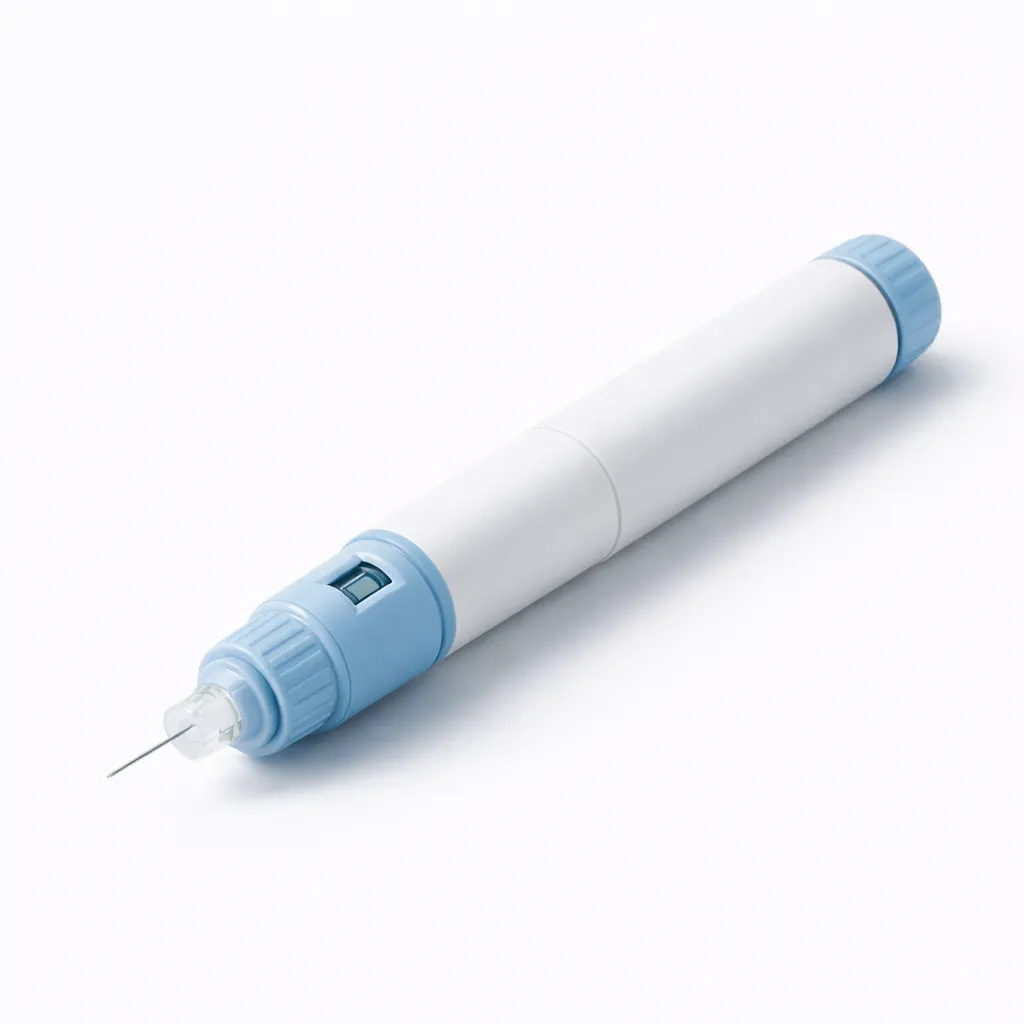
Description
JGLUT 2000 MG INJ 30ML
Indications
JGLUT 2000 MG INJ 30ML is primarily indicated for the management of various metabolic disorders, particularly those associated with glucose metabolism. This injectable formulation is often utilized in patients with diabetes mellitus who require intensive management of their blood glucose levels. Additionally, it may be used in cases of hyperglycemia due to other underlying conditions or as part of a comprehensive treatment plan for obesity-related metabolic syndromes.
Mechanism of Action
The active ingredient in JGLUT 2000 MG INJ is designed to enhance glucose uptake in peripheral tissues, particularly muscle and adipose tissue, while simultaneously inhibiting hepatic glucose production. This dual action helps to lower blood glucose levels effectively. The mechanism involves the stimulation of insulin signaling pathways, which promotes the translocation of glucose transporters to the cell membrane, facilitating increased glucose absorption. Furthermore, JGLUT may also exert beneficial effects on lipid metabolism, contributing to improved overall metabolic health.
Pharmacological Properties
JGLUT 2000 MG INJ exhibits several pharmacological properties that make it effective for managing metabolic disorders. Its pharmacokinetics indicate rapid absorption following intramuscular injection, with peak plasma concentrations typically achieved within a few hours. The half-life of the active ingredient allows for sustained action, making it suitable for once-daily administration in most cases. The formulation is designed to be stable at room temperature, ensuring ease of use in clinical settings.
Contraindications
JGLUT 2000 MG INJ is contraindicated in patients with a known hypersensitivity to any of its components. It should not be administered to individuals with severe renal impairment or those undergoing dialysis, as the drug may accumulate and lead to adverse effects. Additionally, it is contraindicated in patients with diabetic ketoacidosis or hyperosmolar hyperglycemic state, as these conditions require immediate medical intervention and different therapeutic approaches.
Side Effects
As with any medication, JGLUT 2000 MG INJ may cause side effects, although not everyone will experience them. Common side effects include mild gastrointestinal disturbances, such as nausea, diarrhea, or abdominal discomfort. Some patients may experience injection site reactions, including pain, redness, or swelling. More serious side effects, though rare, can include hypoglycemia, allergic reactions, or liver enzyme elevation. Patients should be monitored regularly for any adverse effects, particularly when starting treatment or adjusting dosages.
Dosage and Administration
The recommended dosage of JGLUT 2000 MG INJ is typically 2000 mg administered via intramuscular injection once daily. However, the exact dosage may vary based on individual patient needs, response to therapy, and the presence of other medical conditions. It is essential to follow a healthcare provider’s instructions regarding dosage adjustments. The injection should be administered by a trained healthcare professional to minimize the risk of complications and ensure proper technique.
Interactions
JGLUT 2000 MG INJ may interact with other medications, which can affect its efficacy or increase the risk of side effects. Caution should be exercised when co-administering with other antidiabetic agents, as this may potentiate the risk of hypoglycemia. Additionally, certain medications that affect renal function may alter the pharmacokinetics of JGLUT. It is crucial for patients to inform their healthcare providers about all medications they are taking, including over-the-counter drugs and supplements, to avoid potential interactions.
Precautions
Before initiating treatment with JGLUT 2000 MG INJ, a thorough medical history and assessment should be conducted. Special precautions should be taken in patients with a history of liver disease, as the drug may affect liver function. Monitoring of liver enzymes is recommended during treatment. Furthermore, patients with a history of cardiovascular disease should be closely monitored, as changes in glucose metabolism can impact overall cardiovascular health. Regular follow-up appointments are essential to assess the effectiveness of the treatment and make necessary adjustments.
Clinical Studies
Clinical studies have demonstrated the efficacy of JGLUT 2000 MG INJ in managing blood glucose levels in patients with diabetes mellitus. In randomized controlled trials, patients receiving JGLUT showed significant reductions in HbA1c levels compared to placebo groups. Additionally, studies have indicated improvements in weight management and lipid profiles among participants. The safety profile of JGLUT has also been evaluated, with most side effects being mild and manageable. Ongoing research continues to explore the long-term effects and additional therapeutic benefits of this medication.
Conclusion
JGLUT 2000 MG INJ 30ML represents a valuable option for the management of glucose metabolism disorders. Its mechanism of action, pharmacological properties, and clinical efficacy make it a suitable choice for patients requiring intensive glucose control. However, as with any medication, it is essential to use JGLUT responsibly and under the supervision of a qualified healthcare provider. Regular monitoring and patient education are crucial components of successful treatment outcomes.
Important
It is essential to use JGLUT 2000 MG INJ responsibly and only as prescribed by a healthcare professional. Patients should be aware of the potential side effects and interactions with other medications. Regular follow-ups and open communication with healthcare providers can help ensure safe and effective use of this medication.