Description
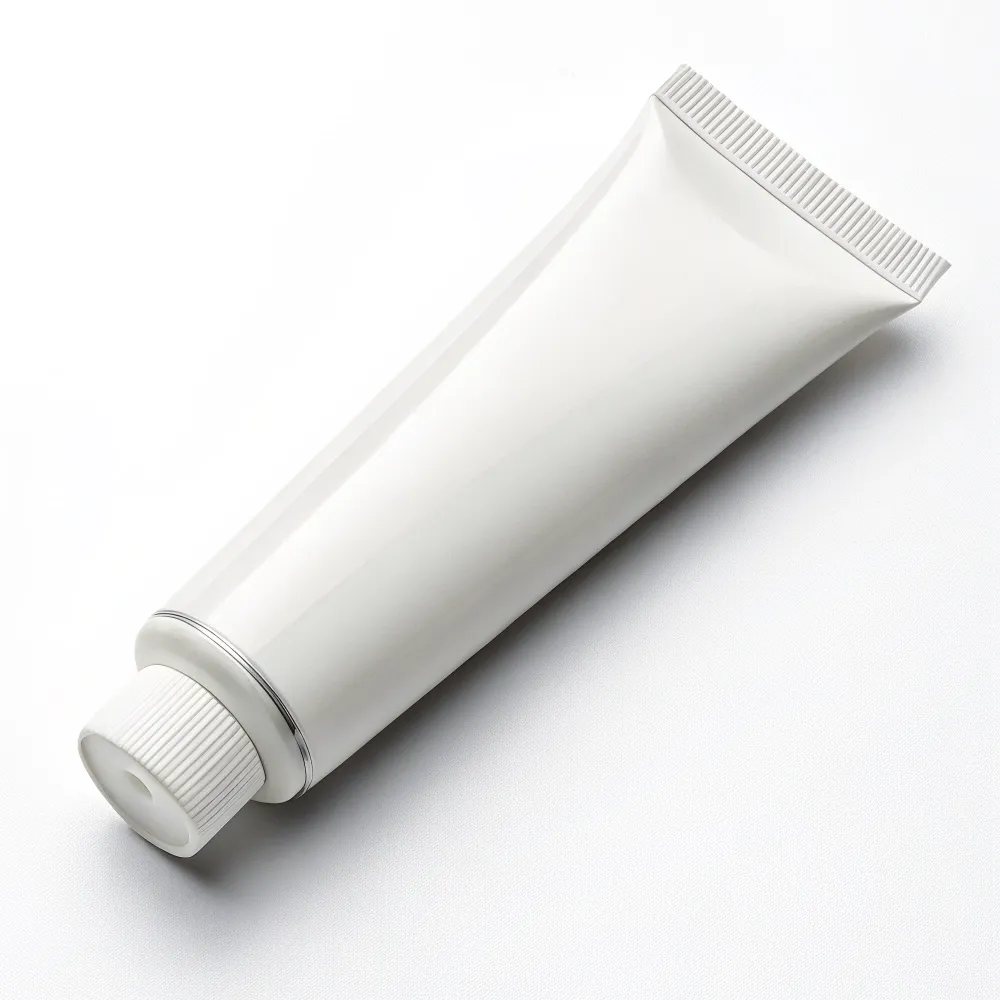
KOJIGLO GEL 20GM
Indications
KOJIGLO GEL 20GM is a topical formulation primarily indicated for the treatment of various skin conditions, including hyperpigmentation disorders such as melasma, age spots, and post-inflammatory hyperpigmentation. It is often used to lighten darkened areas of the skin and improve overall skin tone. The gel may also be beneficial in treating conditions associated with excessive melanin production, making it a popular choice among dermatologists for cosmetic and therapeutic purposes.
Mechanism of Action
The active ingredients in KOJIGLO GEL work synergistically to inhibit melanin production in the skin. Kojic acid, one of the primary components, is known for its ability to inhibit the enzyme tyrosinase, which plays a crucial role in the biosynthesis of melanin. By blocking this enzyme, kojic acid effectively reduces melanin formation, leading to a lighter skin tone over time. Additionally, the gel may contain other ingredients that enhance skin exfoliation and promote cellular turnover, further aiding in the reduction of hyperpigmentation.
Pharmacological Properties
KOJIGLO GEL exhibits several pharmacological properties that contribute to its efficacy in treating hyperpigmentation. Kojic acid is not only a potent tyrosinase inhibitor but also possesses antioxidant properties, which help to protect the skin from oxidative stress and free radical damage. The gel is designed for topical application, allowing for localized action with minimal systemic absorption. This targeted approach minimizes potential side effects while maximizing therapeutic benefits. The formulation is typically well-tolerated, making it suitable for various skin types.
Contraindications
KOJIGLO GEL is contraindicated in individuals with a known hypersensitivity to any of its components. Patients with a history of allergic reactions to kojic acid or other similar compounds should avoid using this product. Additionally, it is not recommended for use on open wounds, mucous membranes, or areas of the skin that are inflamed or infected. Pregnant and breastfeeding women should consult a healthcare professional before using this product to ensure safety for themselves and their infants.
Side Effects
While KOJIGLO GEL is generally well-tolerated, some users may experience mild side effects. Common side effects include local irritation, redness, and a burning sensation at the application site. These reactions are usually transient and resolve upon discontinuation of the product. In rare cases, more severe allergic reactions may occur, characterized by severe itching, swelling, or rash. If any severe side effects are experienced, users should seek medical attention promptly. It is advisable to perform a patch test prior to full application to assess individual tolerance.
Dosage and Administration
KOJIGLO GEL should be applied topically to the affected areas of the skin once or twice daily, as directed by a healthcare professional. Before application, the skin should be cleansed and dried thoroughly. A thin layer of the gel should be gently massaged into the skin until fully absorbed. Users are advised to wash their hands after application to avoid unintentional contact with other areas of the body or sensitive regions. Consistent use over several weeks may be necessary to achieve optimal results, and users should be patient as skin lightening is a gradual process.
Interactions
Currently, there are no well-documented drug interactions associated with KOJIGLO GEL. However, it is important to inform healthcare providers about all medications, supplements, and topical products being used concurrently. Caution should be exercised when using other topical agents that may cause skin irritation or sensitization, as this could exacerbate side effects. Users should also avoid combining KOJIGLO GEL with products containing alcohol or strong astringents, as these may increase the risk of skin irritation.
Precautions
Before using KOJIGLO GEL, individuals should consult a healthcare professional, especially if they have a history of skin conditions, allergies, or are currently using other topical treatments. It is recommended to avoid sun exposure and to use sunscreen while using this product, as increased sensitivity to sunlight may occur. Users should also be cautious when applying the gel near the eyes, mouth, and other sensitive areas. If any adverse reactions occur, it is advisable to discontinue use and consult a healthcare provider.
Clinical Studies
Clinical studies evaluating the efficacy of kojic acid in the treatment of hyperpigmentation have demonstrated its effectiveness in reducing melanin production and improving skin tone. Research has shown that topical application of kojic acid can lead to significant lightening of hyperpigmented areas when used consistently over a period of weeks to months. Studies also indicate that the combination of kojic acid with other active ingredients may enhance its efficacy, providing a more comprehensive approach to treating skin discoloration. Further research is ongoing to explore the long-term effects and safety profile of kojic acid in various populations.
Conclusion
KOJIGLO GEL 20GM is a topical treatment designed to address hyperpigmentation and improve skin tone through the action of its active ingredient, kojic acid. With its well-documented mechanism of action and pharmacological properties, it offers a viable option for individuals seeking to reduce dark spots and achieve a more even complexion. While generally safe and effective, users should adhere to recommended guidelines and consult healthcare professionals for personalized advice. As with any dermatological treatment, results may vary, and patience is essential for achieving desired outcomes.
Important
It is essential to use KOJIGLO GEL responsibly and as directed. Always consult with a healthcare professional before starting any new treatment, especially if you have underlying health conditions or are taking other medications. Proper use and adherence to guidelines can help ensure safety and efficacy.