Description
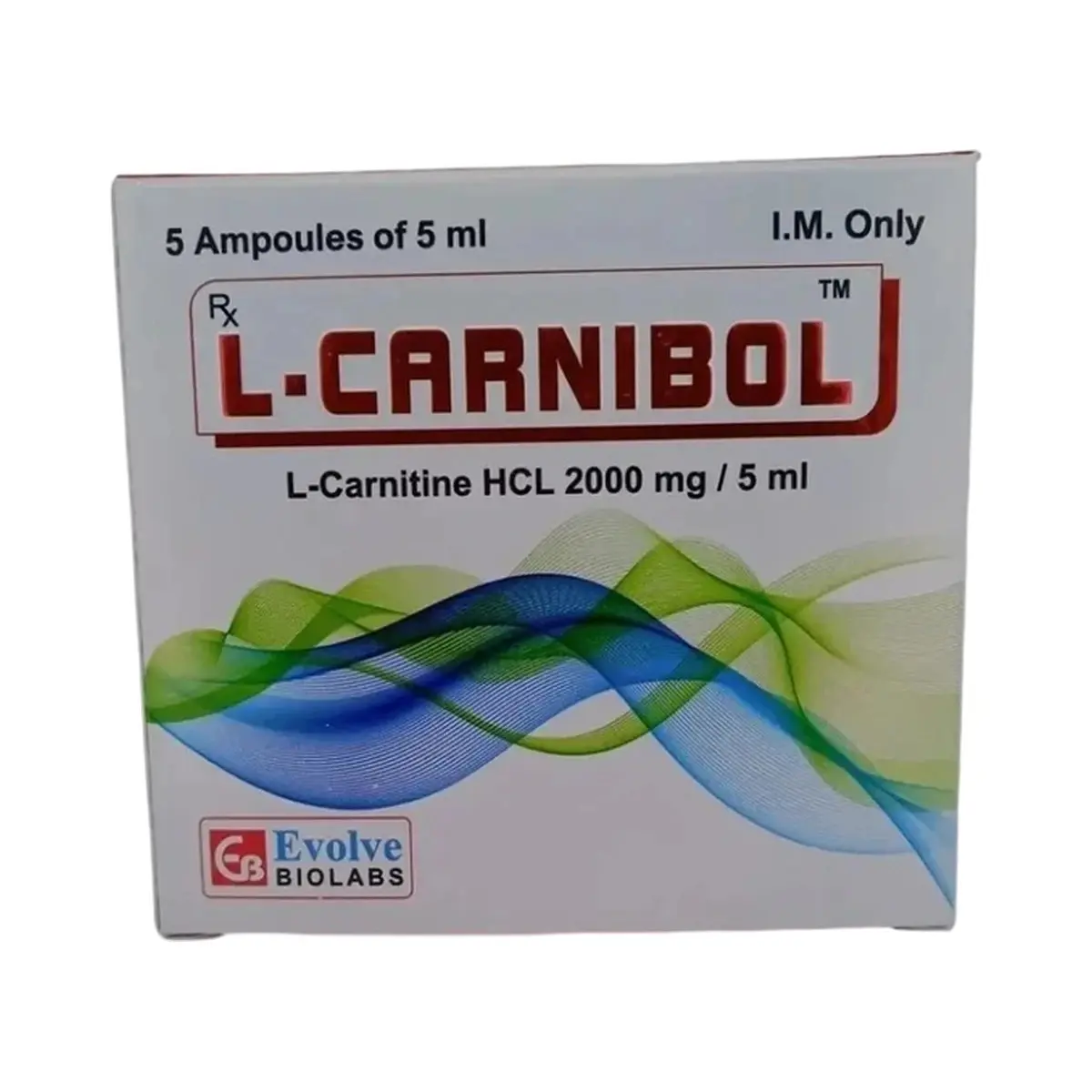
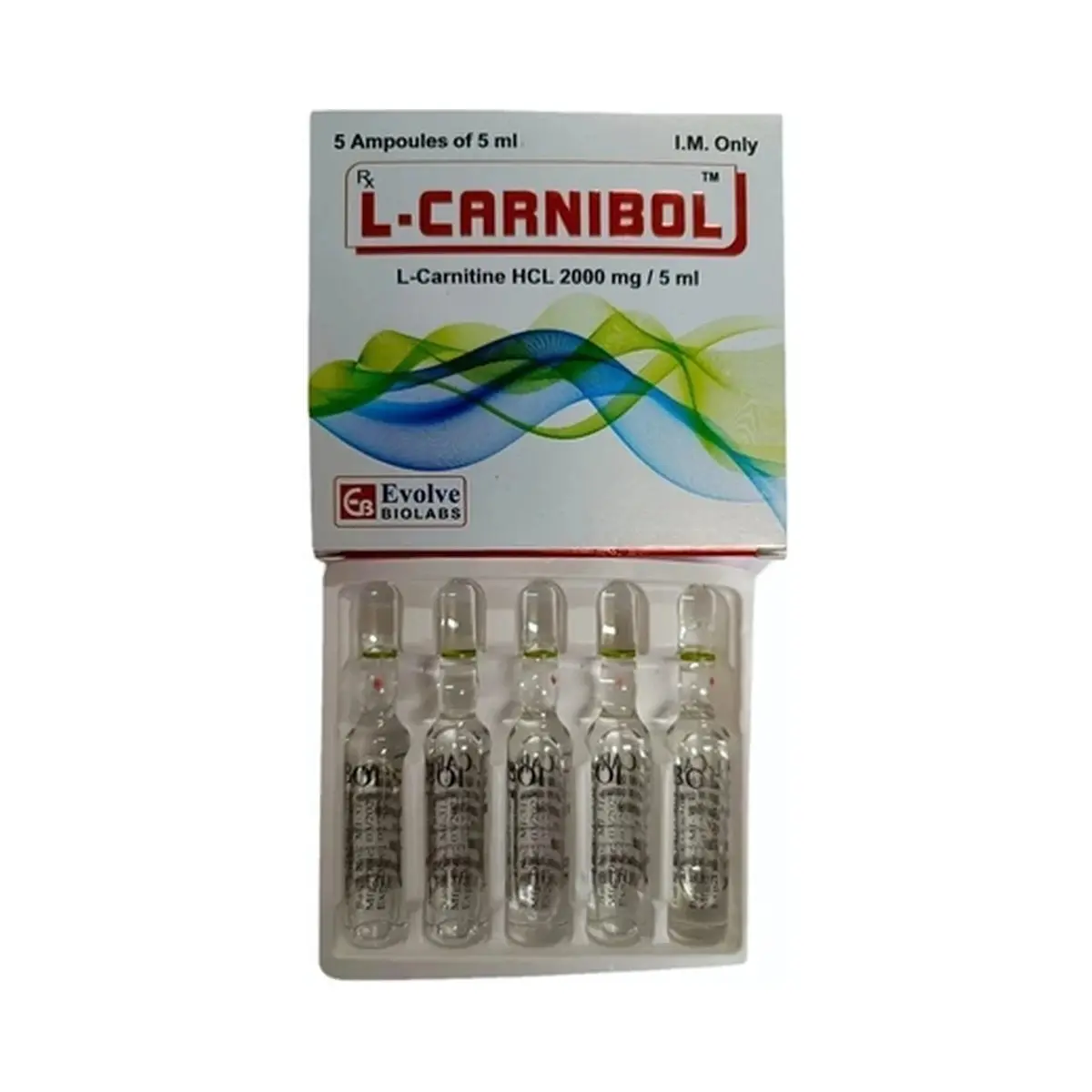
L-carnibol Injection
L-carnibol Injection appears to be a levocarnitine (L-carnitine) injection product. Based on official prescribing information for levocarnitine injection, this medicine is used to correct carnitine deficiency in specific clinical settings, especially certain inherited metabolic disorders and in patients with end-stage renal disease receiving dialysis.
Active Ingredient and Medicine Class
The verified active ingredient is levocarnitine, also called L-carnitine. It is a carnitine replacement medicine and a naturally occurring compound involved in fatty acid metabolism.
Established Medical Uses
Official labeling for levocarnitine injection lists use in the acute and chronic treatment of patients with an inborn error of metabolism that results in secondary carnitine deficiency. It is also indicated for the prevention and treatment of carnitine deficiency in patients with end-stage renal disease who are undergoing dialysis.
How It Works
Carnitine helps transport long-chain fatty acids into mitochondria, where they are used to produce energy. In carnitine deficiency, levocarnitine supplementation restores low carnitine levels and helps clear certain toxic acyl groups by converting them to acylcarnitines, which can then be excreted. In dialysis patients, treatment increases plasma levocarnitine concentrations that are often reduced by dialysis-related losses.
Important Safety Information
Levocarnitine injection should be used with caution in patients with seizure disorders, because seizures have been reported in association with treatment. Product information also notes that some adverse reactions may overlap with the underlying illness. Clinically relevant interactions are limited, but patients receiving dialysis or treatment for metabolic disease may have multiple comorbidities and concomitant medicines that should be reviewed by a healthcare professional.
Possible Side Effects
Reported adverse effects include nausea, vomiting, diarrhea, abdominal discomfort, and body odour. Less common reactions may include headache, dizziness, rash, or injection-related intolerance. Serious reactions are uncommon but can occur, and any unusual symptoms should be assessed clinically.
Scientific Evidence
Peer-reviewed studies in hemodialysis patients show that intravenous L-carnitine can raise carnitine levels and may improve selected metabolic or functional measures in some settings. However, published clinical findings are mixed, and the overall benefit depends on the patient population and the reason for treatment.
Medical Information Notice
This summary is for educational purposes only and is based on sources available at the time of review. It does not replace the official patient leaflet, prescribing information, or individual assessment by a qualified healthcare professional.
Medical Sources
- FDA — CARNITOR (levocarnitine) Injection prescribing information
- Fukami K, et al. — “Effects of switching from oral administration to intravenous injection of l-carnitine on lipid metabolism in hemodialysis patients” — Clinical Kidney Journal (2014) — PubMed