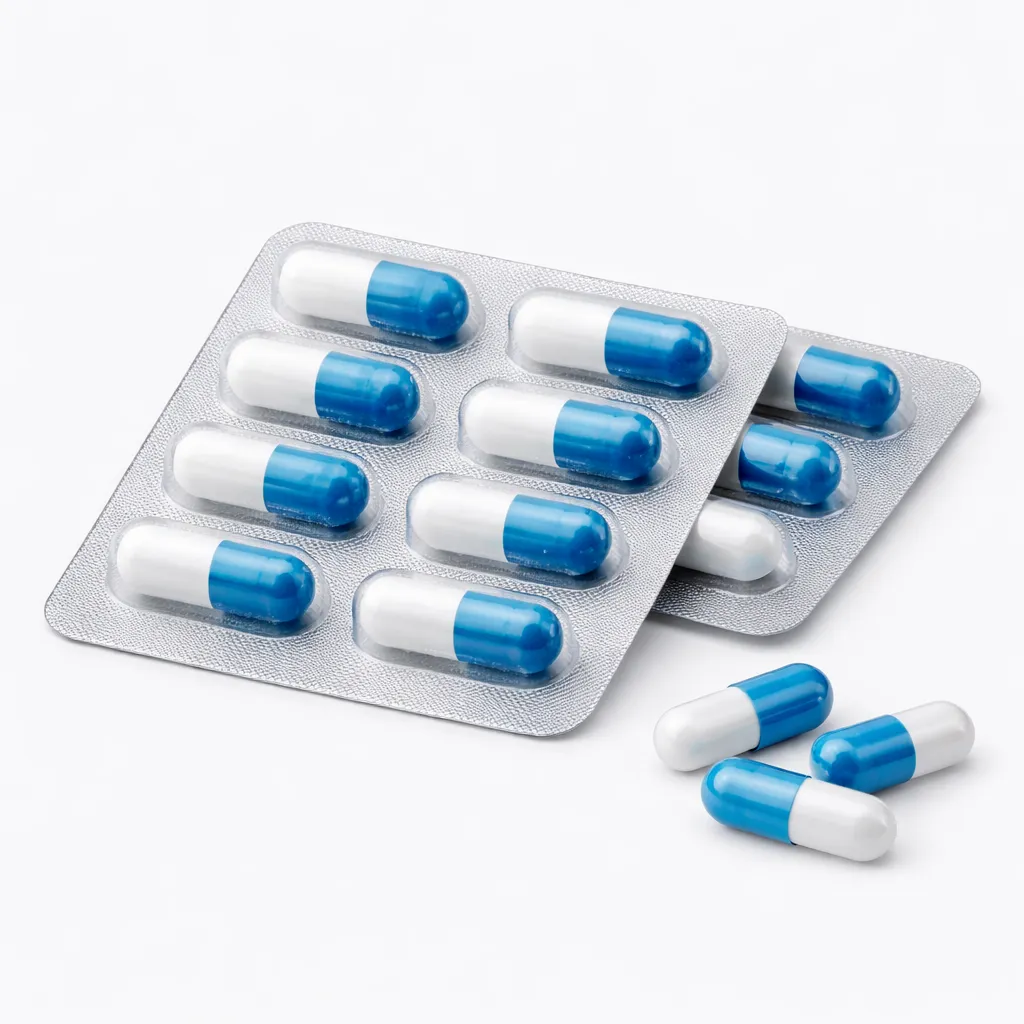
Description
L-FOLININE TAB (1X15)
Indications
L-FOLININE TAB is primarily indicated for the prevention and treatment of folate deficiency, which can occur due to inadequate dietary intake, malabsorption syndromes, or increased physiological demands such as during pregnancy and lactation. It is also utilized as a rescue therapy in patients undergoing methotrexate treatment for certain cancers or autoimmune diseases, where folate depletion is a concern. Additionally, L-FOLININE may be indicated in the management of certain types of megaloblastic anemia due to folate deficiency.
Mechanism of Action
L-FOLININE, also known as leucovorin, is an active form of folate that plays a critical role in the synthesis of nucleic acids and amino acids. It acts as a cofactor in the conversion of homocysteine to methionine and is essential for the synthesis of purines and pyrimidines, which are vital for DNA and RNA synthesis. By providing a readily available form of folate, L-FOLININE can effectively bypass metabolic blocks caused by drugs like methotrexate, allowing for normal cellular function and division. This mechanism is particularly beneficial in mitigating the toxic effects of methotrexate on healthy cells.
Pharmacological Properties
L-FOLININE is well-absorbed from the gastrointestinal tract, with peak plasma concentrations typically achieved within 1 to 2 hours after oral administration. It is distributed throughout body tissues and has a half-life of approximately 6 to 10 hours. The drug is primarily excreted through the kidneys, with a significant portion being eliminated unchanged in the urine. Its pharmacokinetics can be influenced by factors such as renal function and concomitant medications.
Contraindications
L-FOLININE is contraindicated in patients with a known hypersensitivity to leucovorin or any of its components. It should not be used in patients who have undiagnosed megaloblastic anemia due to vitamin B12 deficiency, as administration of folate can mask the symptoms of this condition and potentially lead to neurological complications. Caution is advised in patients with a history of hypersensitivity reactions or those with severe renal impairment.
Side Effects
While L-FOLININE is generally well-tolerated, some patients may experience side effects. Common adverse reactions include gastrointestinal disturbances such as nausea, vomiting, diarrhea, and abdominal cramps. Allergic reactions, though rare, can occur and may manifest as rash, itching, or swelling. In some cases, patients may experience neurological effects such as confusion or agitation. It is essential to monitor patients for any unusual symptoms during treatment.
Dosage and Administration
The dosage of L-FOLININE varies depending on the indication and the patient’s clinical condition. For the treatment of folate deficiency, the typical adult dosage ranges from 1 to 5 mg daily, which may be adjusted based on the patient’s response and clinical judgment. In cases of methotrexate rescue therapy, higher doses may be required, often administered within 24 hours of methotrexate administration. It is crucial to follow a healthcare provider’s recommendations for dosage and duration of therapy to ensure optimal therapeutic outcomes.
Interactions
L-FOLININE may interact with various medications, potentially altering their effectiveness or increasing the risk of adverse effects. Notably, it can diminish the efficacy of certain antiepileptic drugs, such as phenytoin, leading to increased seizure frequency. Additionally, the concurrent use of L-FOLININE with methotrexate requires careful monitoring, as it can counteract the drug’s therapeutic effects in cancer treatment. Patients should inform their healthcare provider of all medications they are taking to avoid potential interactions.
Precautions
Before initiating treatment with L-FOLININE, it is essential to conduct a thorough medical history and physical examination. Special caution should be exercised in patients with renal impairment, as dosage adjustments may be necessary. Regular monitoring of blood counts is recommended to assess for the development of any hematological abnormalities. Pregnant and breastfeeding women should also consult their healthcare provider before using L-FOLININE, as the safety of the drug in these populations has not been fully established.
Clinical Studies
Clinical studies have demonstrated the efficacy of L-FOLININE in various settings. Research has shown that L-FOLININE effectively reduces the incidence of folate deficiency during methotrexate therapy, thereby minimizing associated toxicities. In patients with megaloblastic anemia, L-FOLININE has been shown to improve hematological parameters and alleviate symptoms associated with folate deficiency. Additional studies have explored its role in enhancing the effectiveness of certain chemotherapeutic agents, highlighting its importance in cancer management.
Conclusion
L-FOLININE TAB (1X15) is a vital therapeutic agent in the management of folate deficiency and as a supportive treatment in patients receiving methotrexate. Its active form of folate provides crucial support for cellular processes, particularly in rapidly dividing cells. While generally safe, it is essential for healthcare providers to monitor patients for potential side effects and interactions. Proper dosing and adherence to clinical guidelines will ensure the safe and effective use of L-FOLININE in various clinical scenarios.
Important
It is crucial to use L-FOLININE responsibly and under the guidance of a healthcare professional. Self-medication or misuse can lead to adverse effects and complications. Always consult with your healthcare provider for appropriate diagnosis and treatment options.