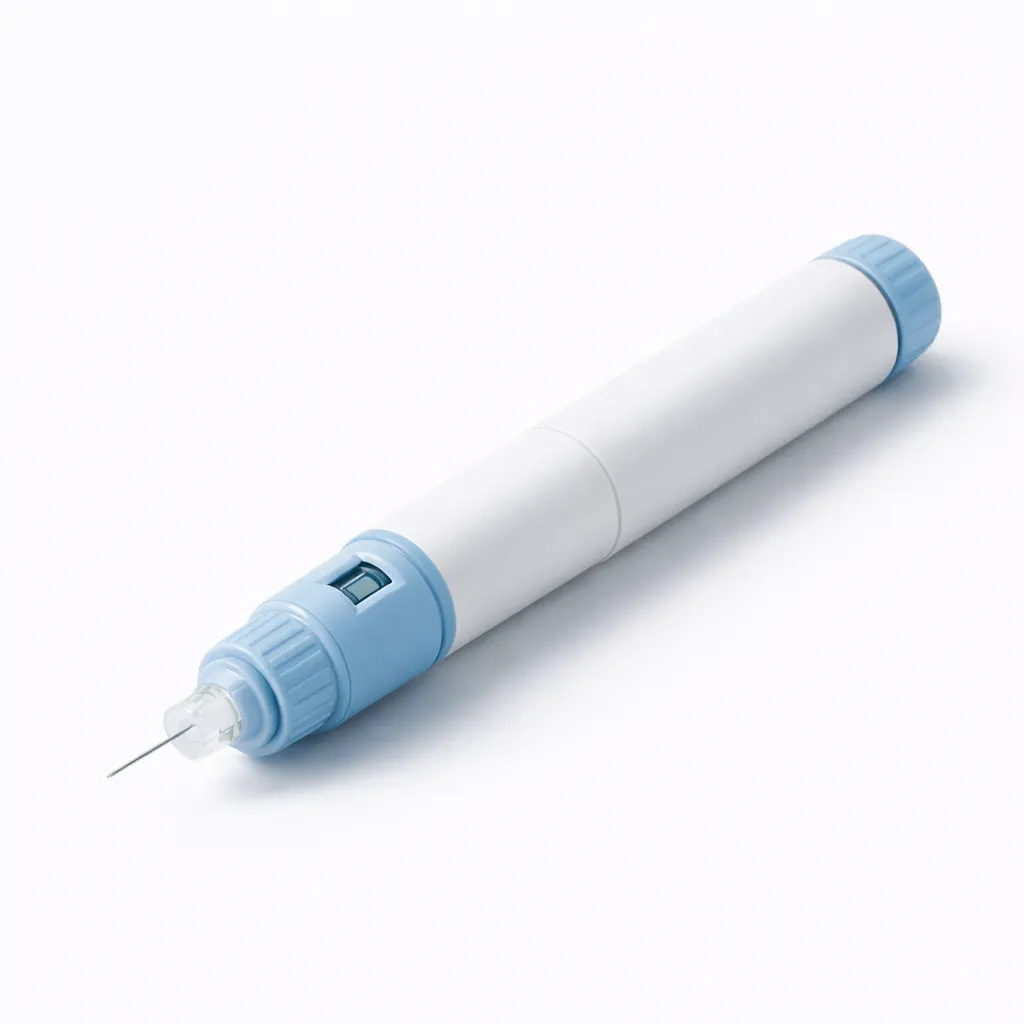
Description
LANTUS 100 IU/ML INJ
Indications
LANTUS (insulin glargine) is a long-acting insulin indicated for the management of diabetes mellitus in adults and children. It is used to improve glycemic control in patients with type 1 diabetes and in adults with type 2 diabetes. LANTUS is typically administered once daily and is designed to provide a steady level of insulin over a 24-hour period, thereby helping to maintain blood glucose levels within the target range.
Mechanism of Action
LANTUS is a recombinant human insulin analog that is produced through recombinant DNA technology. The active ingredient, insulin glargine, has a unique molecular structure that allows it to be released slowly into the bloodstream. Upon injection, LANTUS forms microprecipitates in the subcutaneous tissue, which leads to a gradual release of insulin into the circulation. This results in a prolonged duration of action, providing a steady and consistent insulin level that mimics the natural basal insulin secretion of the pancreas.
Pharmacological Properties
The pharmacokinetics of LANTUS differ from regular insulin. The onset of action typically occurs within 1 to 2 hours after subcutaneous injection, with a peak effect occurring between 4 to 6 hours. The duration of action can last up to 24 hours, making it suitable for once-daily dosing. LANTUS does not exhibit a pronounced peak, which helps to reduce the risk of hypoglycemia compared to other insulin formulations. The pharmacodynamics of LANTUS allow for a more stable glycemic control throughout the day and night.
Contraindications
LANTUS should not be used in patients who have a known hypersensitivity to insulin glargine or any of the excipients in the formulation. It is also contraindicated in individuals with severe hypoglycemia or during episodes of hypoglycemia. Patients with diabetic ketoacidosis should not use LANTUS as their primary treatment, and it should not be used as a substitute for insulin pumps or continuous subcutaneous insulin infusion.
Side Effects
The most common side effect associated with LANTUS is hypoglycemia, which can occur if the dosage is not adjusted to the patient’s needs or if meals are skipped. Other potential side effects include injection site reactions such as redness, swelling, or itching. Rare but serious side effects may include allergic reactions, lipodystrophy (abnormal distribution of fat), and severe hypoglycemia leading to loss of consciousness or seizures. Patients should be monitored regularly for these side effects and report any unusual symptoms to their healthcare provider.
Dosage and Administration
The recommended starting dose of LANTUS varies based on the individual patient’s needs, previous insulin therapy, and blood glucose levels. For adults with type 1 diabetes, the typical starting dose is 0.2 to 0.4 IU/kg body weight, while for type 2 diabetes, it may start at 10 IU once daily. LANTUS is administered via subcutaneous injection in the abdomen, thigh, or upper arm and should not be mixed with other insulins or solutions. It is essential to rotate injection sites to minimize the risk of lipodystrophy.
Interactions
LANTUS may interact with various medications, which can affect blood glucose levels. Drugs that may potentiate the effects of insulin include oral hypoglycemic agents, beta-blockers, and certain antipsychotics. Conversely, medications such as corticosteroids, diuretics, and thyroid hormones may decrease the effectiveness of insulin, leading to elevated blood glucose levels. It is crucial for patients to inform their healthcare provider of all medications, supplements, and herbal products they are taking to ensure safe and effective use of LANTUS.
Precautions
Clinical Studies
Conclusion
LANTUS 100 IU/ML INJ is a vital therapeutic option for individuals managing diabetes mellitus. Its unique formulation allows for stable, long-acting insulin delivery, which is essential for maintaining optimal blood glucose levels. Understanding the indications, mechanism of action, pharmacological properties, and potential side effects is crucial for both healthcare providers and patients. As with any medication, it is important to use LANTUS responsibly and under the supervision of a qualified healthcare professional to achieve the best possible outcomes in diabetes management.
Important
It is essential to use LANTUS 100 IU/ML INJ responsibly and under the guidance of a healthcare provider. Patients should be educated about their condition and the importance of monitoring blood glucose levels regularly. Always follow the prescribed dosage and administration guidelines to ensure safe and effective treatment.