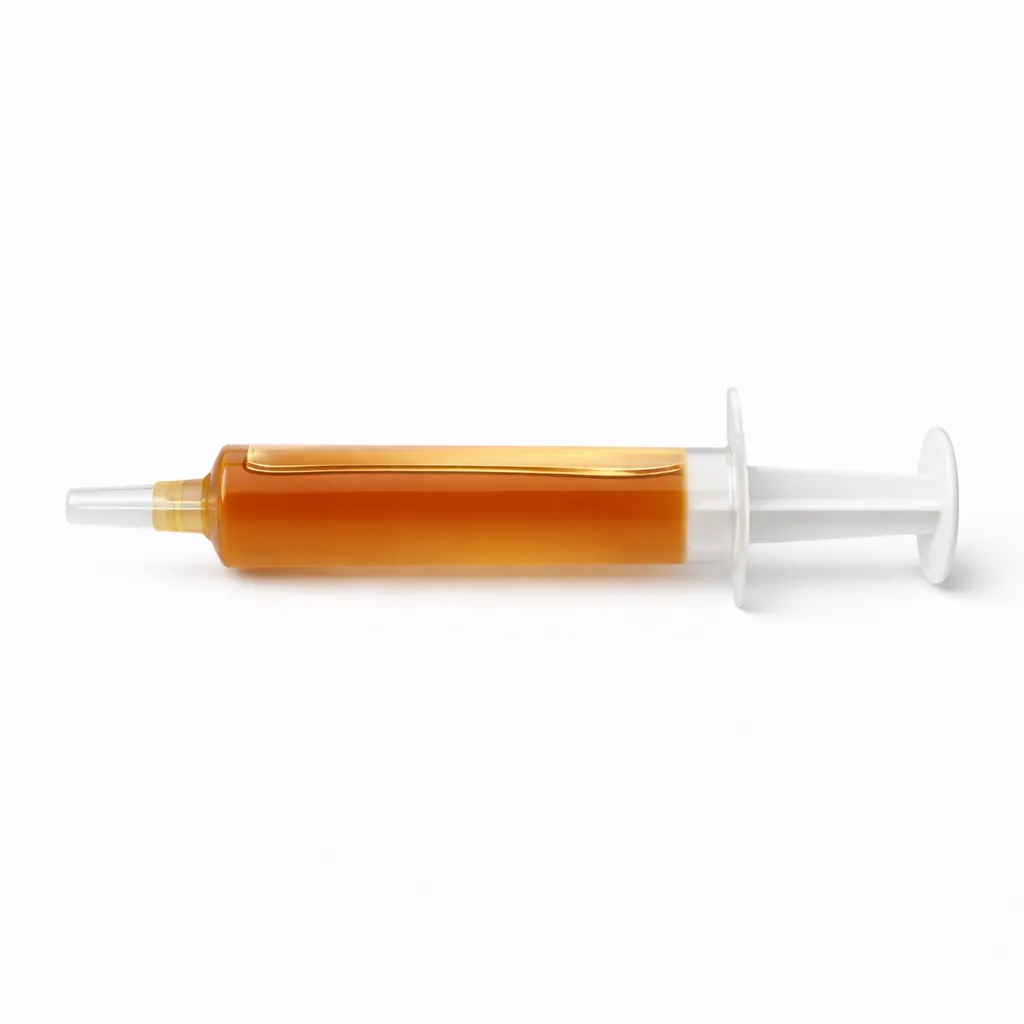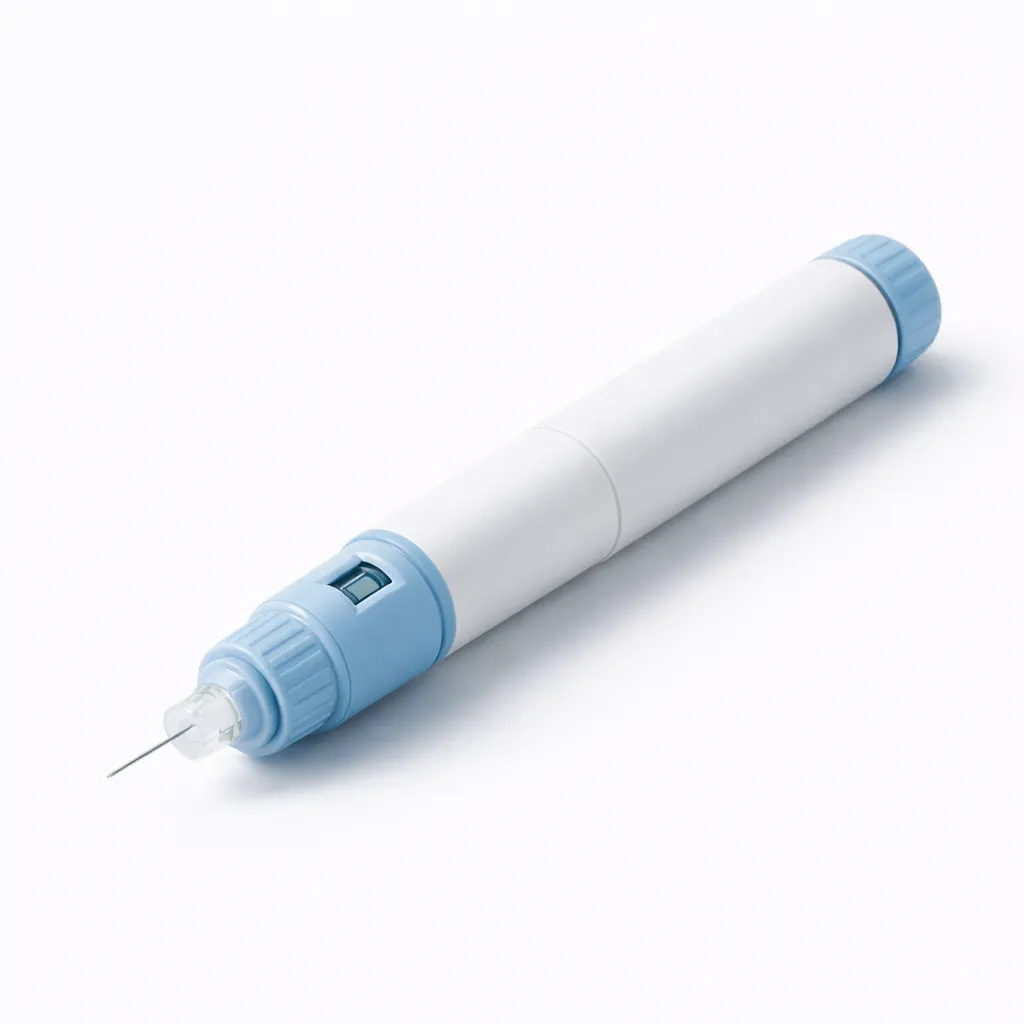
Description
LANTUS CARTRIDGES 3ML
Indications
Lantus (insulin glargine) is indicated for the management of diabetes mellitus in adults and children. It is specifically used for patients requiring long-acting insulin to help control blood glucose levels. Lantus is often prescribed for individuals with type 1 diabetes, where the pancreas produces little to no insulin, and for those with type 2 diabetes, where the body does not use insulin effectively. The goal of using Lantus is to maintain blood glucose levels within a target range and to reduce the risk of complications associated with diabetes.
Mechanism of Action
Lantus is a long-acting insulin analog that provides a steady and prolonged release of insulin. It is designed to mimic the natural basal insulin secretion of the pancreas. The active ingredient, insulin glargine, has a unique structure that allows it to form microprecipitates in the subcutaneous tissue after injection. This results in a slow and consistent release of insulin into the bloodstream, providing a duration of action of up to 24 hours. By maintaining stable insulin levels, Lantus helps to control blood sugar levels throughout the day and night, minimizing the risk of hyperglycemia and hypoglycemia.
Pharmacological Properties
Lantus is characterized by its pharmacokinetic profile, which includes a slow onset of action and a prolonged duration. After subcutaneous administration, Lantus typically begins to lower blood glucose levels within 1 to 2 hours, with peak effects occurring around 4 to 6 hours post-injection. The insulin glargine formulation has a pH of 4.0, which allows it to remain soluble in the injection solution. Once injected into the body, the pH rises, leading to the formation of insoluble precipitates that slowly release insulin into the bloodstream. This property differentiates Lantus from regular insulin, which has a more rapid onset and shorter duration of action.
Contraindications
Lantus is contraindicated in patients with a known hypersensitivity to insulin glargine or any of its components. It should not be used in individuals with episodes of hypoglycemia or in those who are experiencing severe hypoglycemic reactions. Additionally, Lantus is not recommended for the treatment of diabetic ketoacidosis, a serious complication of diabetes that requires immediate medical attention and typically requires rapid-acting insulin for management.
Side Effects
The use of Lantus may be associated with several side effects. Common adverse reactions include hypoglycemia, which can manifest as symptoms such as sweating, tremors, confusion, and palpitations. Other side effects may include injection site reactions, such as redness, swelling, or itching. Patients may also experience weight gain, which is a common concern with insulin therapy. Rare but serious side effects include allergic reactions, such as anaphylaxis, and lipodystrophy, which is the abnormal distribution of fat in the body. It is essential for patients to monitor their blood glucose levels regularly and report any unusual symptoms to their healthcare provider.
Dosage and Administration
Lantus is administered via subcutaneous injection, typically in the thigh, abdomen, or upper arm. The dosage of Lantus is individualized based on the patient’s blood glucose levels, dietary habits, and physical activity. It is generally recommended to initiate treatment with a low dose and adjust as necessary to achieve optimal glycemic control. Lantus can be given once daily at the same time each day, and it should not be mixed with other insulins or solutions. Patients should be educated on proper injection techniques and the importance of rotating injection sites to minimize the risk of lipodystrophy.
Interactions
Several medications and substances can interact with Lantus, potentially affecting its efficacy and safety. Drugs that may potentiate the hypoglycemic effect of Lantus include oral hypoglycemic agents, sulfonylureas, and other insulin preparations. Conversely, certain medications, such as corticosteroids, thiazide diuretics, and sympathomimetics, may increase blood glucose levels and counteract the effects of insulin. It is crucial for patients to inform their healthcare provider about all medications they are taking, including over-the-counter drugs and herbal supplements, to avoid potential interactions.
Precautions
Patients using Lantus should exercise caution, particularly those with renal or hepatic impairment, as these conditions may affect insulin metabolism and clearance. Additionally, patients should be aware of the signs and symptoms of hypoglycemia and be prepared to manage it promptly. It is also important for individuals to maintain a consistent diet and exercise regimen while using Lantus to ensure effective blood glucose control. Patients should be regularly monitored for potential complications and should have routine follow-up appointments with their healthcare provider to assess their diabetes management plan.
Clinical Studies
Numerous clinical studies have demonstrated the efficacy and safety of Lantus in managing diabetes. Research has shown that Lantus effectively reduces HbA1c levels, a key marker of long-term blood glucose control, in both type 1 and type 2 diabetes patients. In a study published in the Journal of Diabetes Research, Lantus was found to provide better glycemic control compared to other long-acting insulins, with a lower incidence of hypoglycemic events. Furthermore, long-term studies have indicated that Lantus may help reduce the risk of diabetes-related complications, such as cardiovascular disease and neuropathy, by maintaining stable blood glucose levels over time.
Conclusion
Lantus cartridges 3ml offer a reliable option for individuals managing diabetes mellitus. With its unique formulation and prolonged action, Lantus helps to maintain stable blood glucose levels, reducing the risk of complications associated with diabetes. It is essential for patients to work closely with their healthcare providers to determine the appropriate dosage and to monitor their blood glucose levels regularly. By understanding the indications, mechanism of action, potential side effects, and necessary precautions, patients can use Lantus effectively as part of their diabetes management plan.
Important
Responsible use of Lantus is crucial for effective diabetes management. Patients should adhere to their prescribed treatment regimen, monitor their blood glucose levels, and maintain regular communication with their healthcare provider to ensure optimal outcomes.