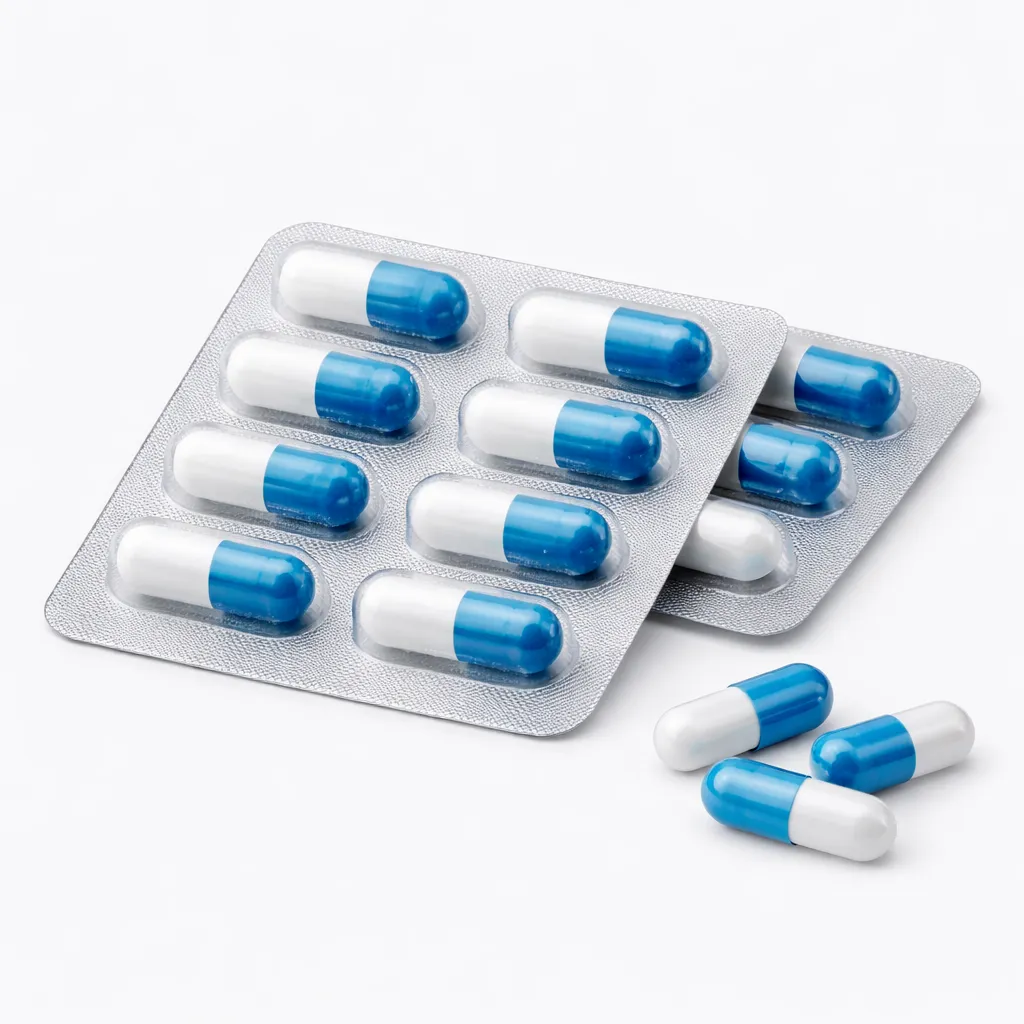
Description
LITHICAN 300 MG
Indications
LITHICAN 300 MG is primarily indicated for the management of certain types of seizures in individuals diagnosed with epilepsy. It is often prescribed as an adjunctive therapy to enhance seizure control in patients who do not achieve adequate control with monotherapy. Additionally, LITHICAN may be utilized in the treatment of mood disorders, particularly in cases where standard treatments have proven ineffective. Its efficacy in these areas has been supported by clinical studies demonstrating its ability to stabilize mood and reduce seizure frequency.
Mechanism of Action
The precise mechanism of action of LITHICAN is not entirely understood; however, it is believed to exert its effects through modulation of neurotransmitter activity in the brain. LITHICAN is thought to enhance the inhibitory effects of gamma-aminobutyric acid (GABA), a neurotransmitter that plays a crucial role in reducing neuronal excitability. By increasing GABAergic transmission, LITHICAN helps to stabilize neuronal activity, thereby reducing the frequency and severity of seizures. Additionally, it may influence other neurotransmitter systems, contributing to its mood-stabilizing properties.
Pharmacological Properties
LITHICAN is characterized by its pharmacokinetic profile, which includes absorption, distribution, metabolism, and excretion. After oral administration, LITHICAN is rapidly absorbed, with peak plasma concentrations typically reached within 1 to 3 hours. The drug is extensively distributed throughout the body, with a volume of distribution that indicates significant tissue binding. LITHICAN undergoes hepatic metabolism, primarily via the cytochrome P450 enzyme system, and is eliminated through renal pathways. The half-life of LITHICAN is approximately 12 to 24 hours, allowing for once or twice daily dosing in most patients.
Contraindications
LITHICAN is contraindicated in patients with a known hypersensitivity to the active ingredient or any of the excipients in the formulation. Additionally, it should not be used in individuals with severe renal impairment or those who are currently taking medications that are known to interact adversely with LITHICAN. Caution is advised in patients with a history of liver disease, as the metabolism of the drug may be affected, leading to an increased risk of toxicity.
Side Effects
The use of LITHICAN may be associated with a range of side effects, some of which are more common than others. Commonly reported side effects include dizziness, drowsiness, fatigue, and gastrointestinal disturbances such as nausea and diarrhea. Less frequently, patients may experience mood changes, weight gain, or tremors. Serious adverse effects, although rare, can include allergic reactions, liver dysfunction, and severe skin reactions. Patients should be monitored regularly for any signs of these side effects, and dosage adjustments may be necessary based on individual tolerance and response.
Dosage and Administration
The recommended dosage of LITHICAN varies based on the indication and individual patient factors. For adults with epilepsy, the initial dose is typically 300 mg taken orally once daily, which may be adjusted based on clinical response and tolerability. The maximum recommended dose should not exceed 1200 mg per day. For pediatric patients, dosing should be carefully calculated based on weight and clinical assessment. It is essential to adhere to the prescribed dosing regimen and to consult with a healthcare provider before making any changes to the dosage.
Interactions
LITHICAN may interact with several other medications, which can either enhance its effects or increase the risk of adverse reactions. Co-administration with other central nervous system depressants, such as benzodiazepines or alcohol, can lead to increased sedation and respiratory depression. Additionally, drugs that induce or inhibit cytochrome P450 enzymes may alter the metabolism of LITHICAN, necessitating dosage adjustments. It is crucial for patients to inform their healthcare provider of all medications they are taking, including over-the-counter drugs and herbal supplements, to avoid potential interactions.
Precautions
Before initiating treatment with LITHICAN, a thorough medical history should be obtained, and a comprehensive assessment of the patient’s current health status should be conducted. Special precautions should be taken in patients with a history of substance abuse, as LITHICAN has the potential for misuse. Regular monitoring of liver function tests and renal function is recommended, particularly in patients with pre-existing conditions. Pregnant and breastfeeding women should discuss the risks and benefits of LITHICAN with their healthcare provider, as the safety of the drug in these populations has not been fully established.
Clinical Studies
Clinical studies evaluating the efficacy and safety of LITHICAN have demonstrated its effectiveness in reducing seizure frequency and improving mood stability. In a randomized controlled trial involving patients with refractory epilepsy, those treated with LITHICAN showed a significant reduction in seizure episodes compared to the placebo group. Another study focusing on mood disorders indicated that LITHICAN not only helped in stabilizing mood but also improved overall quality of life for patients. These findings support the use of LITHICAN as a valuable therapeutic option for managing seizures and mood-related conditions.
Conclusion
LITHICAN 300 MG is a versatile medication indicated for the management of epilepsy and mood disorders. Its mechanism of action, pharmacological properties, and clinical efficacy make it a valuable option for patients who require additional therapeutic support. However, like all medications, it is essential to use LITHICAN responsibly, considering potential side effects, contraindications, and interactions with other drugs. Patients should maintain open communication with their healthcare providers to ensure optimal treatment outcomes.
Important
It is crucial to use LITHICAN responsibly and under the guidance of a qualified healthcare professional. Patients should follow the prescribed dosage and report any unusual symptoms or side effects to their doctor promptly.