
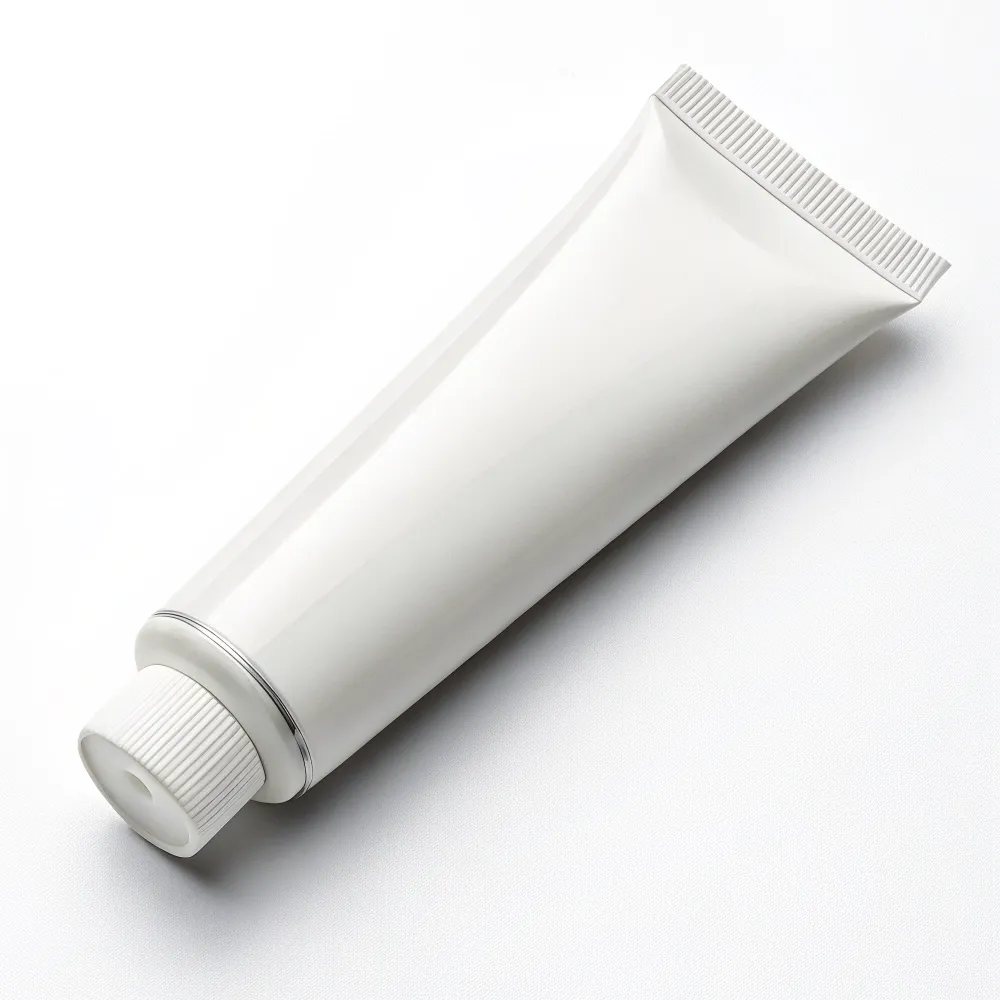
Description
LUMIVAC A
Indications
LUMIVAC A is indicated for the treatment of various dermatological conditions, particularly those characterized by inflammation and hyperproliferation of skin cells. It is commonly prescribed for conditions such as psoriasis, eczema, and other inflammatory skin disorders. By targeting the underlying mechanisms of these conditions, LUMIVAC A aims to alleviate symptoms and improve the overall quality of life for affected individuals.
Mechanism of Action
The active ingredient in LUMIVAC A operates through a multifaceted mechanism. It primarily acts by modulating the immune response and inhibiting the proliferation of keratinocytes, the predominant cell type in the epidermis. By regulating inflammatory cytokines and reducing hyperkeratosis, LUMIVAC A effectively decreases the redness, scaling, and itching associated with various skin conditions. Additionally, it promotes the normalization of skin cell turnover, contributing to healthier skin appearance and function.
Pharmacological Properties
LUMIVAC A exhibits a favorable pharmacokinetic profile, allowing for effective absorption through the skin barrier. Its formulation is designed to enhance permeability, ensuring that the active ingredients reach the target tissues efficiently. The drug is metabolized in the liver, with its metabolites excreted primarily through the kidneys. The half-life of LUMIVAC A is conducive to once-daily dosing, providing convenience for patients while maintaining therapeutic efficacy.
Contraindications
LUMIVAC A should not be used in individuals with a known hypersensitivity to any of its components. It is contraindicated in patients with viral infections of the skin, such as herpes simplex or varicella, as well as in those with bacterial or fungal infections. Additionally, the use of LUMIVAC A is not recommended during pregnancy or lactation unless the potential benefits outweigh the risks, and it should be avoided in pediatric populations unless specifically prescribed by a healthcare provider.
Side Effects
Common side effects associated with LUMIVAC A may include local skin reactions such as erythema, itching, and dryness at the application site. These effects are generally mild and transient. In rare cases, more severe reactions such as allergic dermatitis may occur. Patients should be advised to monitor for any unusual symptoms and report them to their healthcare provider promptly. Overall, the safety profile of LUMIVAC A is well-established, with most patients tolerating the treatment without significant adverse effects.
Dosage and Administration
The recommended dosage of LUMIVAC A typically involves applying a thin layer to the affected areas of the skin once daily, preferably at the same time each day to maintain consistent therapeutic levels. It is important to cleanse and dry the affected area before application to enhance absorption. Patients should be instructed to wash their hands after applying the medication, unless the hands are the treated area. Treatment duration may vary based on the specific condition being treated and the response to therapy, and regular follow-up with a healthcare provider is essential to assess efficacy and make any necessary adjustments.
Interactions
While LUMIVAC A is generally well-tolerated, potential interactions with other topical or systemic medications should be considered. Patients using other dermatological products should consult their healthcare provider to avoid any possible additive effects or irritation. Additionally, caution is advised when combining LUMIVAC A with immunosuppressive therapies, as this may increase the risk of infections. A thorough medication review is recommended to ensure safe and effective use.
Precautions
Before initiating treatment with LUMIVAC A, a comprehensive medical history should be obtained, focusing on any pre-existing skin conditions, allergies, or concurrent medications. Patients should be advised to avoid excessive sun exposure and to use sunscreen to protect treated areas. It is essential to monitor for signs of skin irritation or infection, particularly during the initial weeks of treatment. Regular follow-up appointments will help ensure that the treatment is effective and that any side effects are managed appropriately.
Clinical Studies
Clinical studies evaluating the efficacy and safety of LUMIVAC A have demonstrated significant improvements in the symptoms of various inflammatory skin conditions. In a randomized controlled trial involving patients with moderate to severe psoriasis, LUMIVAC A was shown to reduce the Psoriasis Area and Severity Index (PASI) scores significantly compared to placebo. Furthermore, long-term studies indicated sustained efficacy with continued use, along with a favorable safety profile. These findings support the use of LUMIVAC A as a viable option for managing chronic dermatological conditions.
Conclusion
LUMIVAC A represents a promising therapeutic option for individuals suffering from inflammatory skin disorders. Its unique mechanism of action, combined with a favorable safety and efficacy profile, makes it a valuable addition to the dermatological treatment landscape. Patients should work closely with their healthcare providers to determine the most appropriate treatment plan and to monitor their progress throughout the course of therapy. As with any medication, adherence to prescribed guidelines and regular follow-up are crucial for achieving optimal results.
Important
It is essential to use LUMIVAC A responsibly and under the guidance of a qualified healthcare professional. Patients should be aware of the potential side effects and interactions with other medications. Regular follow-up appointments are recommended to ensure the safe and effective use of this treatment.

