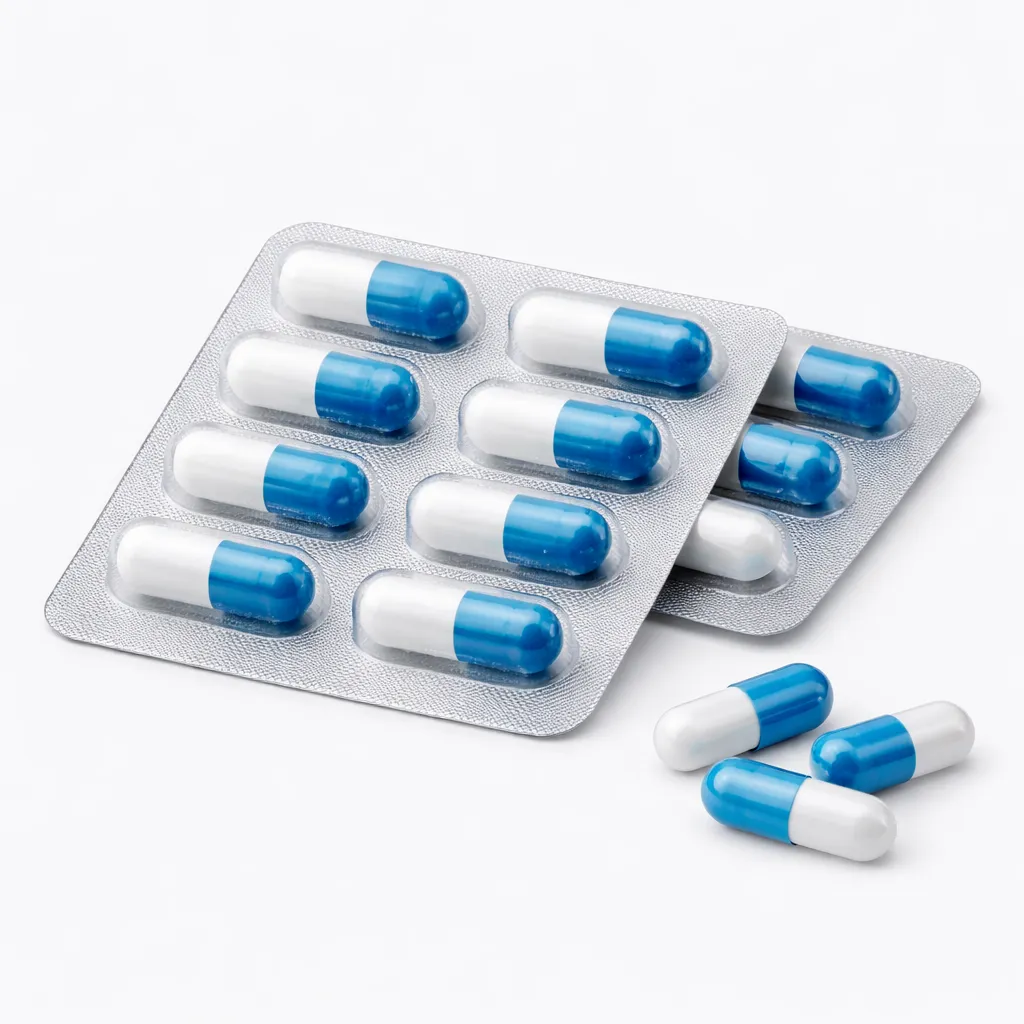
Description
MACITENT 10 MG
Indications
Macitentan 10 mg is primarily indicated for the treatment of pulmonary arterial hypertension (PAH), a progressive disorder characterized by elevated blood pressure in the pulmonary arteries. This condition can lead to right heart failure and decreased exercise capacity. Macitentan is used to improve exercise ability and delay clinical worsening in patients with PAH, whether they are treatment-naive or have previously been treated with other PAH therapies.
Mechanism of Action
Macitentan is an endothelin receptor antagonist (ERA) that selectively blocks the effects of endothelin-1, a potent vasoconstrictor involved in the pathophysiology of PAH. By inhibiting the binding of endothelin-1 to its receptors (ETA and ETB), macitentan leads to vasodilation and a reduction in pulmonary vascular resistance. This mechanism not only helps to lower pulmonary arterial pressure but also improves blood flow and oxygen delivery to the lungs and other organs.
Pharmacological Properties
Macitentan is characterized by its high affinity for endothelin receptors, particularly the ETA receptor, which plays a crucial role in the constriction of blood vessels. The pharmacokinetics of macitentan indicate that it is well-absorbed after oral administration, with peak plasma concentrations occurring approximately 2 to 4 hours post-dose. It has a long half-life, allowing for once-daily dosing, which enhances patient compliance. Macitentan is extensively metabolized in the liver, primarily by cytochrome P450 enzymes, and its metabolites are excreted mainly in the urine.
Contraindications
Macitentan is contraindicated in patients with a known hypersensitivity to the drug or any of its components. It should not be used in pregnant women due to the potential for fetal harm, as endothelin receptor antagonists have been associated with teratogenic effects. Additionally, macitentan is contraindicated in patients with severe hepatic impairment, as its metabolism may be significantly altered in this population, increasing the risk of adverse effects.
Side Effects
The use of macitentan may be associated with several side effects, although not all patients will experience them. Commonly reported adverse reactions include headache, flushing, nasal congestion, and peripheral edema. More serious side effects can include liver function abnormalities, anemia, and hypotension. It is essential for healthcare providers to monitor patients regularly for these potential adverse effects, particularly during the initiation of therapy or after dose adjustments.
Dosage and Administration
The recommended starting dose of macitentan is 10 mg once daily, taken orally, with or without food. It is important for patients to adhere to the prescribed dosage regimen to achieve optimal therapeutic outcomes. In cases where the clinical response is inadequate, the dose may be increased under the supervision of a healthcare provider. Regular follow-up appointments are necessary to assess the patient’s response to treatment and to make any necessary adjustments to the dosage.
Interactions
Macitentan may interact with other medications, which can affect its efficacy and safety profile. Co-administration with strong inducers of cytochrome P450 enzymes, such as rifampicin and phenytoin, may reduce the plasma concentration of macitentan, potentially diminishing its therapeutic effects. Conversely, strong inhibitors of CYP3A4, such as ketoconazole and clarithromycin, may increase macitentan levels, heightening the risk of side effects. It is crucial for healthcare providers to review all medications a patient is taking to avoid potential drug interactions.
Precautions
Before initiating treatment with macitentan, it is essential to conduct a thorough assessment of the patient’s medical history, including any history of liver disease, anemia, or hypotension. Patients should be advised to report any signs of liver dysfunction, such as jaundice or dark urine, as liver function tests may be necessary during treatment. Women of childbearing potential should be counseled on the importance of effective contraception during treatment, as macitentan can cause fetal harm. Regular monitoring of hemoglobin levels is also recommended, as anemia has been reported in some patients.
Clinical Studies
Clinical studies have demonstrated the efficacy and safety of macitentan in patients with PAH. The pivotal study, known as the SERAPHIN trial, showed that treatment with macitentan significantly reduced the risk of morbidity and mortality associated with PAH compared to placebo. Patients treated with macitentan experienced improvements in exercise capacity, as measured by the six-minute walk test, and a reduction in clinical worsening events. These findings support the use of macitentan as a valuable therapeutic option in the management of PAH.
Conclusion
Macitentan 10 mg is an effective treatment option for patients with pulmonary arterial hypertension, offering benefits in terms of exercise capacity and clinical outcomes. Its mechanism of action as an endothelin receptor antagonist provides a targeted approach to managing this complex condition. While generally well-tolerated, it is essential for healthcare providers to monitor patients for potential side effects and drug interactions, ensuring safe and effective use. As with any medication, patient education and adherence to the prescribed treatment regimen are critical for achieving the best possible outcomes.
Important
It is crucial to use macitentan responsibly and under the guidance of a qualified healthcare provider. Patients should be informed about the potential risks and benefits of the medication and encouraged to report any adverse effects or concerns during treatment.