Description
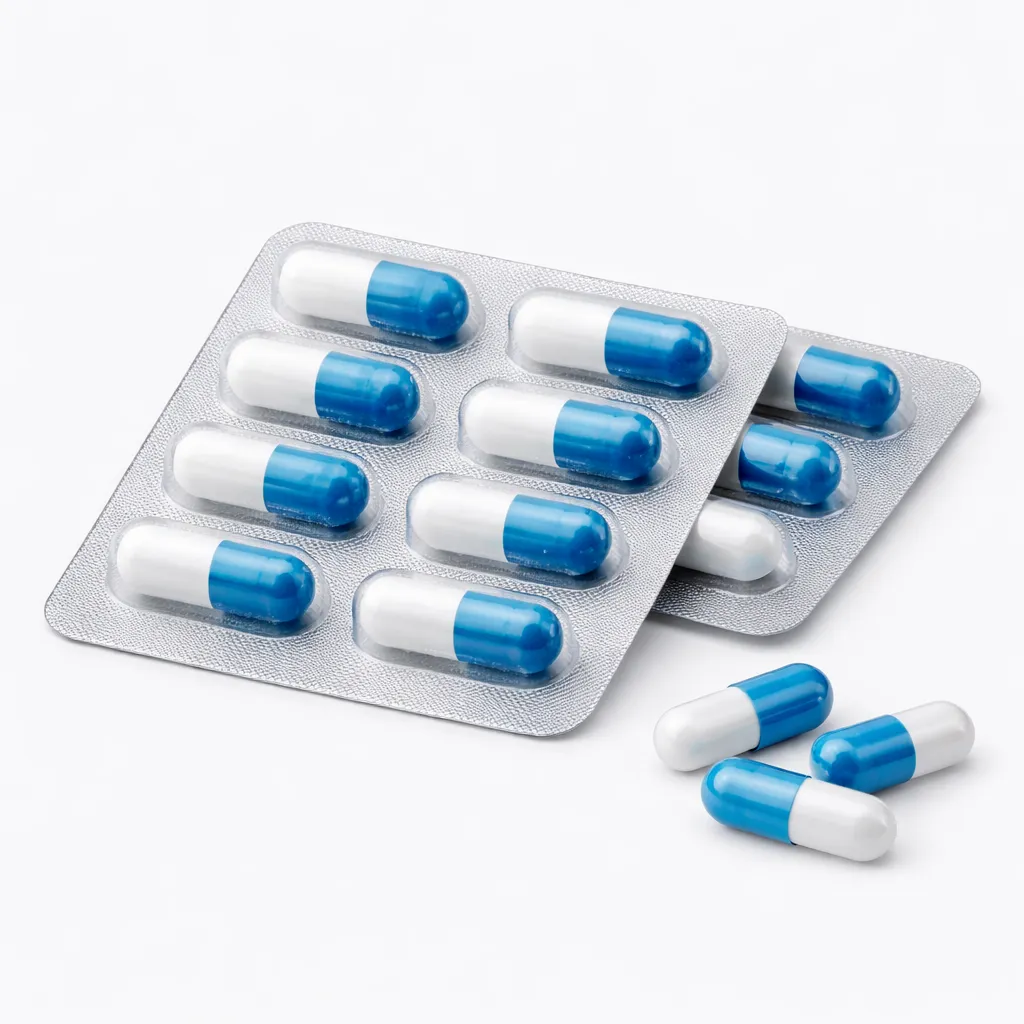
MAXTAN 5 MG
Indications
MAXTAN 5 MG is primarily indicated for the management of hypertension (high blood pressure) and for the treatment of certain types of heart failure. It may also be prescribed for patients who have experienced heart attacks, as it helps to improve heart function and reduce the risk of further cardiovascular events. Additionally, MAXTAN is effective in alleviating symptoms associated with angina pectoris (chest pain) and may be used in specific cases of chronic kidney disease to protect renal function.
Mechanism of Action
MAXTAN 5 MG contains the active ingredient telmisartan, which is an angiotensin II receptor blocker (ARB). It works by selectively blocking the binding of angiotensin II, a potent vasoconstrictor, to its receptors located in various tissues, including blood vessels and the adrenal glands. By inhibiting this action, MAXTAN promotes vasodilation (widening of blood vessels), leading to a decrease in blood pressure. Furthermore, it reduces the secretion of aldosterone, a hormone that can cause sodium and water retention, thus contributing to lower blood volume and reduced blood pressure.
Pharmacological Properties
Telmisartan exhibits a high affinity for the angiotensin II receptor subtype AT1, which is primarily responsible for the cardiovascular effects of angiotensin II. It has a long half-life, allowing for once-daily dosing. The drug is well-absorbed from the gastrointestinal tract, with peak plasma concentrations occurring approximately 0.5 to 1 hour after oral administration. MAXTAN is extensively metabolized in the liver, and its metabolites are primarily excreted through the feces. The pharmacokinetic profile of telmisartan supports its efficacy in managing chronic conditions such as hypertension and heart failure.
Contraindications
MAXTAN 5 MG is contraindicated in patients with a known hypersensitivity to telmisartan or any of the excipients in the formulation. It should not be used in patients with severe renal impairment or those who are pregnant or breastfeeding, as it may harm the developing fetus or infant. Additionally, patients with a history of angioedema related to previous treatment with ACE inhibitors or ARBs should avoid using MAXTAN.
Side Effects
Common side effects associated with MAXTAN 5 MG include dizziness, fatigue, headache, and gastrointestinal disturbances such as diarrhea or abdominal pain. While most patients tolerate the medication well, some may experience more serious side effects, including hypotension (low blood pressure), renal impairment, and hyperkalemia (elevated potassium levels). Allergic reactions, although rare, can occur and may present as rash, itching, or swelling. Patients should be monitored for any adverse effects, especially during the initiation of therapy or when the dosage is adjusted.
Dosage and Administration
The recommended starting dose of MAXTAN 5 MG for adults is typically 40 mg once daily, which may be adjusted based on the individual patient’s response and tolerability. The maximum recommended dose is 80 mg per day. It is important to take the medication consistently at the same time each day, with or without food, to maintain stable blood levels. In patients with renal impairment or those taking diuretics, a lower starting dose may be appropriate to minimize the risk of adverse effects.
Interactions
MAXTAN 5 MG may interact with several medications, which can affect its efficacy or increase the risk of side effects. Co-administration with other antihypertensive agents may lead to additive blood pressure-lowering effects. Nonsteroidal anti-inflammatory drugs (NSAIDs) can reduce the antihypertensive effect of MAXTAN and may impair renal function, especially in dehydrated patients. Additionally, potassium supplements or potassium-sparing diuretics should be used cautiously, as they may increase the risk of hyperkalemia. It is essential for patients to inform their healthcare provider of all medications they are taking to avoid potential interactions.
Precautions
Before starting MAXTAN 5 MG, patients should be assessed for any pre-existing conditions such as renal impairment, liver disease, or electrolyte imbalances. Caution is advised in patients with a history of hypotension or those who are volume-depleted. Regular monitoring of blood pressure, renal function, and electrolyte levels is recommended during treatment. Patients should be advised to maintain adequate hydration and to report any unusual symptoms, such as severe dizziness or fainting, to their healthcare provider promptly.
Clinical Studies
Clinical studies have demonstrated the efficacy of MAXTAN 5 MG in reducing blood pressure and improving cardiovascular outcomes. In a randomized controlled trial, patients receiving telmisartan showed significant reductions in systolic and diastolic blood pressure compared to those receiving a placebo. Furthermore, long-term studies indicated that telmisartan not only effectively manages hypertension but also provides renal protective effects in patients with diabetic nephropathy. These findings support the use of MAXTAN as a first-line treatment option for hypertension and related cardiovascular conditions.
Conclusion
MAXTAN 5 MG is a valuable medication in the management of hypertension and heart failure, offering a well-tolerated option with a favorable pharmacological profile. Its mechanism of action as an angiotensin II receptor blocker allows for effective blood pressure control while minimizing the risk of common side effects. As with any medication, it is crucial for patients to adhere to prescribed dosages and to communicate openly with their healthcare providers regarding any concerns or side effects experienced during treatment. With appropriate monitoring and management, MAXTAN can significantly improve patient outcomes in cardiovascular health.
Important
It is essential to use MAXTAN 5 MG responsibly and under the guidance of a healthcare professional. Patients should follow prescribed dosages and report any adverse effects or concerns to their healthcare provider promptly.