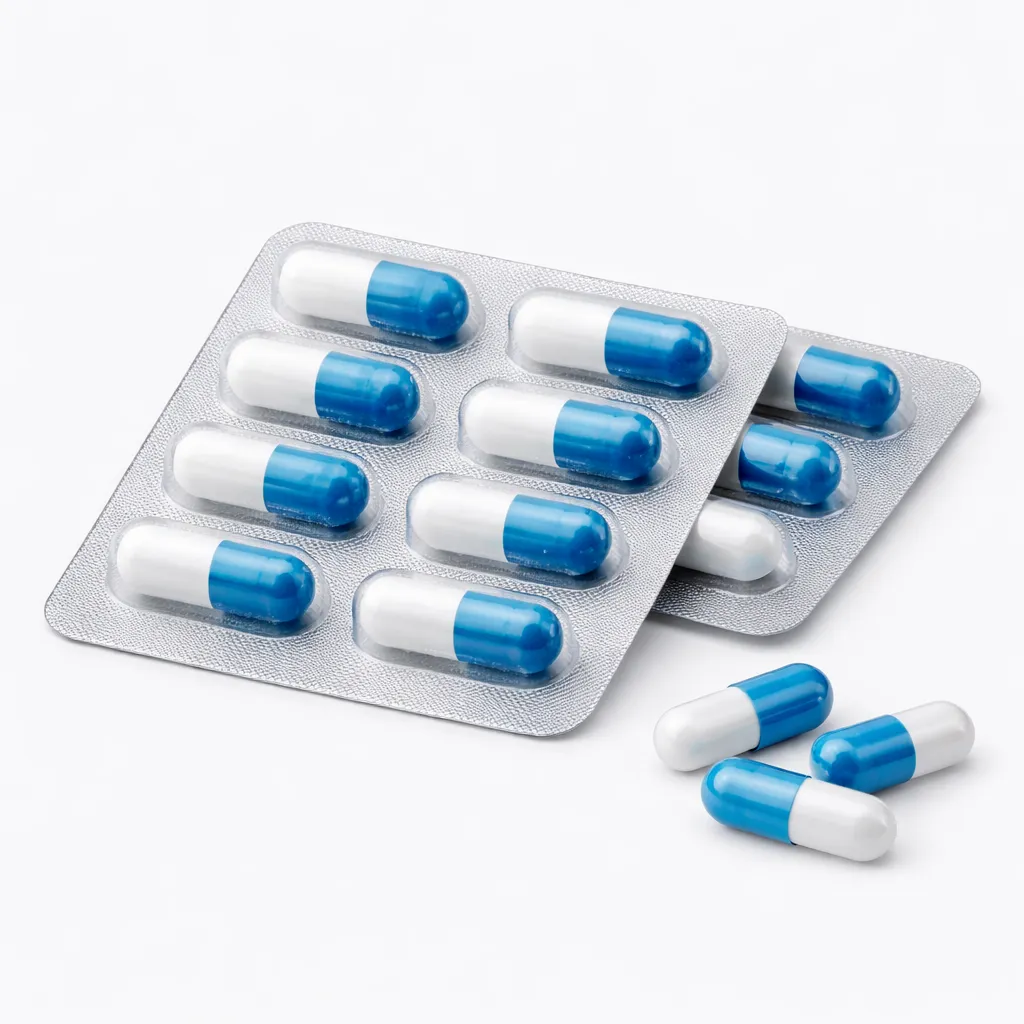
Description
MEGACLOX CAP
Indications
MEGACLOX CAP is primarily indicated for the treatment of bacterial infections caused by susceptible strains of microorganisms. It is often prescribed for conditions such as respiratory tract infections, urinary tract infections, and skin infections. The formulation is designed to provide effective antibacterial action, making it a suitable choice for both acute and chronic infections.
Mechanism of Action
MEGACLOX CAP contains a combination of active ingredients that work synergistically to combat bacterial infections. The primary mechanism of action involves the inhibition of bacterial cell wall synthesis, which ultimately leads to cell lysis and death. This action is particularly effective against gram-positive and some gram-negative bacteria. By disrupting the structural integrity of the bacterial cell wall, MEGACLOX CAP effectively reduces the bacterial load in the body, allowing the immune system to eliminate the remaining pathogens.
Pharmacological Properties
MEGACLOX CAP exhibits a broad spectrum of antibacterial activity. It is well-absorbed in the gastrointestinal tract, with peak plasma concentrations typically achieved within one to two hours post-administration. The drug is metabolized in the liver and excreted primarily through the kidneys. Its half-life allows for convenient dosing schedules, making it easier for patients to adhere to their treatment regimens. Additionally, MEGACLOX CAP shows good tissue penetration, which is essential for treating infections located in various body compartments.
Contraindications
MEGACLOX CAP is contraindicated in patients with a known hypersensitivity to any of its components. It should also be avoided in individuals with a history of severe allergic reactions to other antibiotics, particularly those in the same class. Caution is advised in patients with renal impairment, as dosage adjustments may be necessary to prevent accumulation and potential toxicity. Pregnant and breastfeeding women should consult their healthcare provider before using this medication, as safety during pregnancy and lactation has not been fully established.
Side Effects
Common side effects associated with MEGACLOX CAP include gastrointestinal disturbances such as nausea, vomiting, diarrhea, and abdominal pain. Some patients may also experience allergic reactions, which can manifest as rashes, itching, or swelling. In rare cases, more serious side effects such as liver enzyme elevations, renal impairment, or severe allergic reactions may occur. It is important for patients to report any unusual symptoms to their healthcare provider promptly.
Dosage and Administration
The recommended dosage of MEGACLOX CAP varies depending on the type and severity of the infection, as well as the patient’s age and renal function. For adults, the typical dosage ranges from 250 mg to 500 mg taken every 8 to 12 hours. For pediatric patients, dosing is often based on body weight. It is crucial to complete the full course of therapy as prescribed, even if symptoms improve before the medication is finished, to prevent the development of antibiotic resistance.
Interactions
MEGACLOX CAP may interact with other medications, potentially altering their effectiveness or increasing the risk of side effects. Notably, concurrent use with anticoagulants may enhance the anticoagulant effect, necessitating closer monitoring of coagulation parameters. Additionally, certain antacids and supplements containing calcium, magnesium, or aluminum may interfere with the absorption of MEGACLOX CAP, reducing its efficacy. Patients should inform their healthcare provider of all medications and supplements they are taking to avoid potential interactions.
Precautions
Patients should be advised to use MEGACLOX CAP with caution if they have a history of gastrointestinal diseases, particularly colitis. It is essential to monitor patients for signs of superinfection, particularly with prolonged use, as this may indicate an overgrowth of non-susceptible organisms. Regular renal function tests may be warranted in patients with pre-existing renal conditions or those receiving high doses of the medication. Patients should also be counseled on the importance of adhering to the prescribed dosing schedule and not sharing the medication with others.
Clinical Studies
Clinical studies have demonstrated the efficacy of MEGACLOX CAP in treating various bacterial infections. In a randomized controlled trial involving patients with community-acquired pneumonia, MEGACLOX CAP showed a significant reduction in symptoms and bacterial load compared to placebo. Another study focusing on urinary tract infections highlighted the drug’s effectiveness in eradicating pathogens and improving patient outcomes. These studies support the use of MEGACLOX CAP as a reliable option for managing bacterial infections.
Conclusion
MEGACLOX CAP is a potent antibacterial agent indicated for the treatment of various bacterial infections. Its mechanism of action, pharmacological properties, and clinical efficacy make it a valuable tool in the management of infectious diseases. However, it is essential for healthcare providers to consider contraindications, potential side effects, and drug interactions when prescribing this medication. By adhering to proper dosing guidelines and monitoring patients closely, MEGACLOX CAP can be used safely and effectively to combat bacterial infections.
Important
It is crucial to use MEGACLOX CAP responsibly and only under the guidance of a qualified healthcare professional. Misuse of antibiotics can lead to resistance, making infections harder to treat. Always follow the prescribed dosage and complete the full course of treatment.