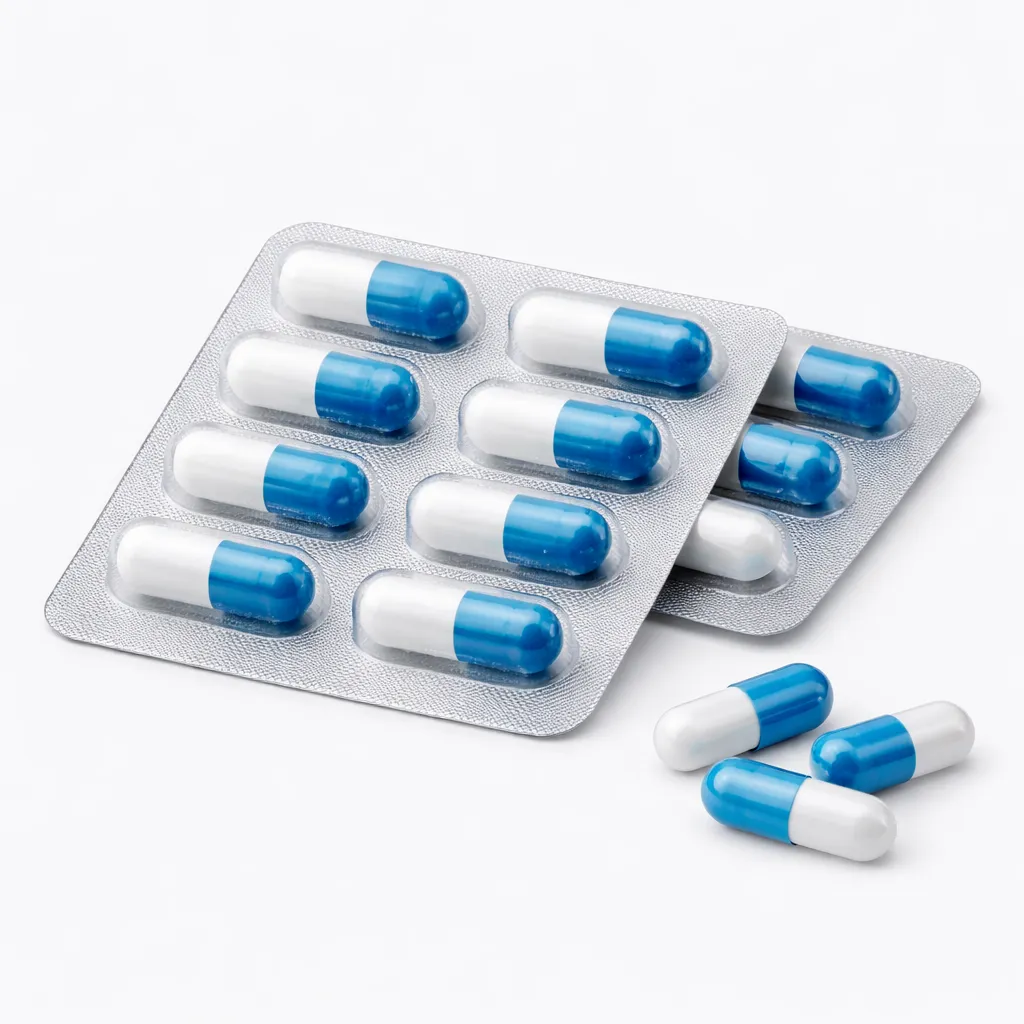
Description
METHYCOBAL TAB (1X15)
Indications
Methycobal, containing methylcobalamin, is primarily indicated for the treatment of vitamin B12 deficiency. This condition can arise due to various factors, including malabsorption syndromes, pernicious anemia, and dietary deficiencies. Methylcobalamin is also utilized in the management of neuropathies, particularly diabetic neuropathy, and other nerve-related conditions. It is known to support nerve health and promote regeneration, making it a valuable option for patients experiencing nerve damage or dysfunction.
Mechanism of Action
Methylcobalamin is an active form of vitamin B12, which plays a crucial role in the metabolism of homocysteine and the synthesis of methionine. It acts as a coenzyme in the conversion of homocysteine to methionine, a process vital for DNA synthesis and repair. Additionally, methylcobalamin is important for the formation of myelin, the protective sheath surrounding nerves. By facilitating these biochemical processes, methylcobalamin contributes to the maintenance of healthy nerve function and overall cellular health.
Pharmacological Properties
Methylcobalamin is well-absorbed in the gastrointestinal tract, and its bioavailability can be influenced by various factors such as the presence of food and the health of the digestive system. Once absorbed, it is distributed throughout the body, particularly in the liver, kidneys, and nervous tissue. The elimination half-life of methylcobalamin is approximately 6 hours, and it is primarily excreted through urine. Its pharmacological properties include neuroprotective effects, promoting nerve regeneration, and alleviating symptoms associated with neuropathy.
Contraindications
Methycobal is contraindicated in individuals with a known hypersensitivity to methylcobalamin or any of the excipients in the formulation. Caution should be exercised in patients with Leber’s disease, a hereditary optic neuropathy, as vitamin B12 supplementation may exacerbate the condition. Additionally, patients with certain types of anemia, such as those caused by folate deficiency, should not use methylcobalamin without proper medical supervision, as it may mask the underlying deficiency.
Side Effects
While methylcobalamin is generally well-tolerated, some patients may experience side effects. Commonly reported side effects include nausea, vomiting, diarrhea, and abdominal discomfort. Allergic reactions, although rare, can occur and may present as rash, itching, or swelling. In some cases, patients may experience dizziness or headache. It is essential for patients to report any adverse effects to their healthcare provider for appropriate management.
Dosage and Administration
The recommended dosage of Methycobal varies based on the indication and the severity of the deficiency. For adults, the typical dosage is 1500 mcg to 3000 mcg per day, administered orally or via injection, depending on the clinical scenario. For neuropathies, a common regimen includes administering 1500 mcg daily for a specified duration, followed by maintenance doses. It is advisable for patients to follow their healthcare provider’s instructions regarding dosage and administration to ensure optimal therapeutic outcomes.
Interactions
Methylcobalamin may interact with certain medications, potentially affecting their efficacy or increasing the risk of side effects. For instance, the use of methotrexate, a medication used in cancer and autoimmune diseases, may lead to decreased efficacy of methylcobalamin. Additionally, high doses of vitamin B12 may interfere with the absorption of other vitamins and minerals. Patients should inform their healthcare provider about all medications, supplements, and herbal products they are taking to prevent potential interactions.
Precautions
Before starting treatment with Methycobal, patients should discuss their medical history with their healthcare provider, particularly if they have a history of allergies, kidney disease, or other chronic conditions. Pregnant and breastfeeding women should also consult their healthcare provider before using this product, as the safety of high doses of vitamin B12 during pregnancy and lactation has not been fully established. Regular monitoring of vitamin B12 levels may be necessary for patients on long-term supplementation to avoid potential complications.
Clinical Studies
Numerous clinical studies have investigated the efficacy of methylcobalamin in various conditions. Research indicates that methylcobalamin supplementation can significantly improve symptoms of diabetic neuropathy, including pain, numbness, and tingling. A study published in the Journal of Diabetes Research demonstrated that patients receiving methylcobalamin showed marked improvement in nerve conduction velocity and overall quality of life compared to those receiving a placebo. Additionally, studies have shown that methylcobalamin can enhance cognitive function in individuals with vitamin B12 deficiency, further supporting its role in neurological health.
Conclusion
Methycobal, as a source of methylcobalamin, plays a vital role in the management of vitamin B12 deficiency and related neurological conditions. Its mechanism of action supports nerve health and regeneration, making it an essential therapeutic option for patients suffering from neuropathies and other nerve-related disorders. While generally safe, it is crucial for patients to use Methycobal under the guidance of a healthcare provider to ensure proper dosing and to monitor for potential side effects and interactions. Overall, methylcobalamin represents a valuable addition to the therapeutic arsenal for managing vitamin B12 deficiency and promoting neurological health.
Important
It is essential to use Methycobal responsibly and under the supervision of a healthcare professional. Always consult with your doctor before starting any new supplement or medication, particularly if you have underlying health conditions or are taking other medications.