Description
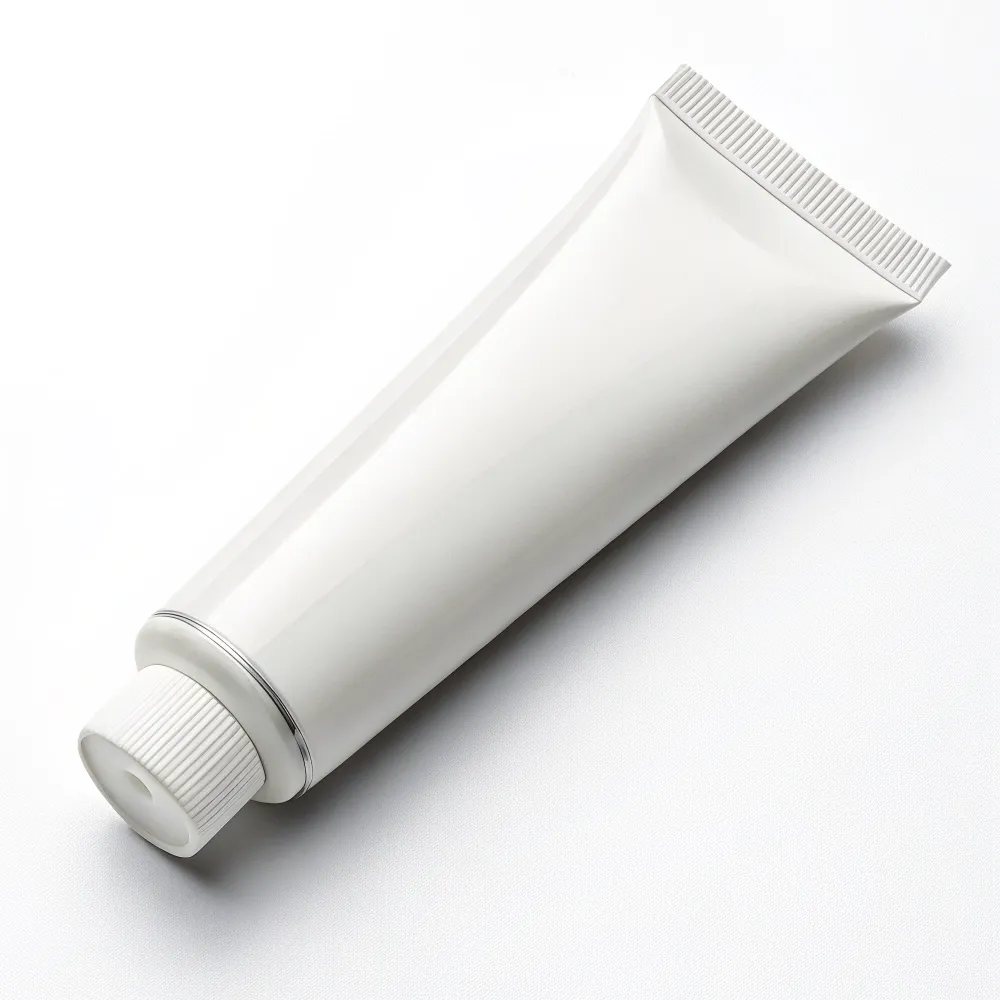
MICOGEL 2% CREAM 15GM
Indications
MICOGEL 2% Cream is primarily indicated for the treatment of fungal infections of the skin. It is effective against various dermatophytes and yeasts, making it suitable for conditions such as tinea pedis (athlete’s foot), tinea corporis (ringworm), tinea cruris (jock itch), and candidiasis. This topical antifungal agent is designed to alleviate symptoms associated with these infections, including itching, redness, and inflammation.
Mechanism of Action
MICOGEL 2% Cream contains the active ingredient miconazole, which belongs to the class of imidazole antifungals. Miconazole works by inhibiting the synthesis of ergosterol, an essential component of fungal cell membranes. By disrupting the formation of ergosterol, miconazole compromises the integrity of the fungal cell membrane, leading to cell lysis and death. This mechanism effectively targets a wide range of fungi, including both dermatophytes and yeasts.
Pharmacological Properties
MICOGEL 2% Cream is a topical formulation that allows for localized treatment of fungal infections. The pharmacokinetics of miconazole indicate that it has a low systemic absorption when applied topically, which minimizes the risk of systemic side effects. The cream’s formulation enhances its penetration into the skin, providing effective concentrations of the active ingredient at the site of infection. Miconazole exhibits both fungicidal and fungistatic properties, depending on the concentration and the type of fungus involved.
Contraindications
MICOGEL 2% Cream is contraindicated in individuals with a known hypersensitivity to miconazole or any of the other components of the cream. Patients with a history of allergic reactions to imidazole derivatives should also avoid using this product. Additionally, it is not recommended for use in the eyes or mucous membranes, as it may cause irritation.
Side Effects
While MICOGEL 2% Cream is generally well-tolerated, some patients may experience side effects. Common side effects include localized skin reactions such as burning, itching, erythema, and dryness at the application site. In rare cases, systemic allergic reactions may occur, leading to symptoms such as rash, hives, or difficulty breathing. If any severe or persistent side effects occur, it is advisable to discontinue use and consult a healthcare professional.
Dosage and Administration
For optimal results, MICOGEL 2% Cream should be applied to the affected area of the skin once or twice daily, depending on the severity of the infection. The cream should be applied in a thin layer and gently massaged into the skin until fully absorbed. Treatment should continue for at least two weeks after the symptoms have resolved to ensure complete eradication of the fungal infection. Patients are advised to follow their healthcare provider’s instructions regarding the duration of treatment.
Interactions
Currently, there are no significant drug interactions reported with the topical application of MICOGEL 2% Cream. However, patients should inform their healthcare provider about all medications they are taking, including over-the-counter drugs and herbal supplements, to rule out any potential interactions. Caution is advised when using other topical products simultaneously on the same area of skin, as this may affect the efficacy of miconazole.
Precautions
Before using MICOGEL 2% Cream, patients should consider certain precautions. It is important to avoid contact with the eyes, as this may lead to irritation. If the cream accidentally comes into contact with the eyes, they should be rinsed thoroughly with water. Patients with pre-existing skin conditions or those who are pregnant or breastfeeding should consult their healthcare provider before using this medication. Additionally, individuals with compromised immune systems or diabetes may require closer monitoring during treatment.
Clinical Studies
Clinical studies have demonstrated the efficacy of miconazole in treating various dermatophyte and yeast infections. In a randomized controlled trial, patients with tinea pedis treated with miconazole cream showed significant improvement in symptoms compared to those receiving a placebo. Another study highlighted the effectiveness of miconazole in treating candidiasis, with a high rate of clinical and mycological cure. These studies support the use of MICOGEL 2% Cream as a reliable option for managing superficial fungal infections.
Conclusion
MICOGEL 2% Cream is a potent topical antifungal agent that provides effective treatment for a variety of superficial fungal infections. Its mechanism of action, safety profile, and ease of application make it a valuable choice for patients suffering from conditions such as athlete’s foot, ringworm, and candidiasis. As with any medication, it is essential for patients to adhere to the prescribed dosage and consult their healthcare provider if they experience any adverse effects or have questions regarding its use.
Important
It is crucial to use MICOGEL 2% Cream responsibly and according to the instructions provided. Misuse or overuse of topical antifungal agents can lead to resistance and treatment failure. Always consult a healthcare professional for guidance on appropriate use and to address any concerns regarding your condition.