
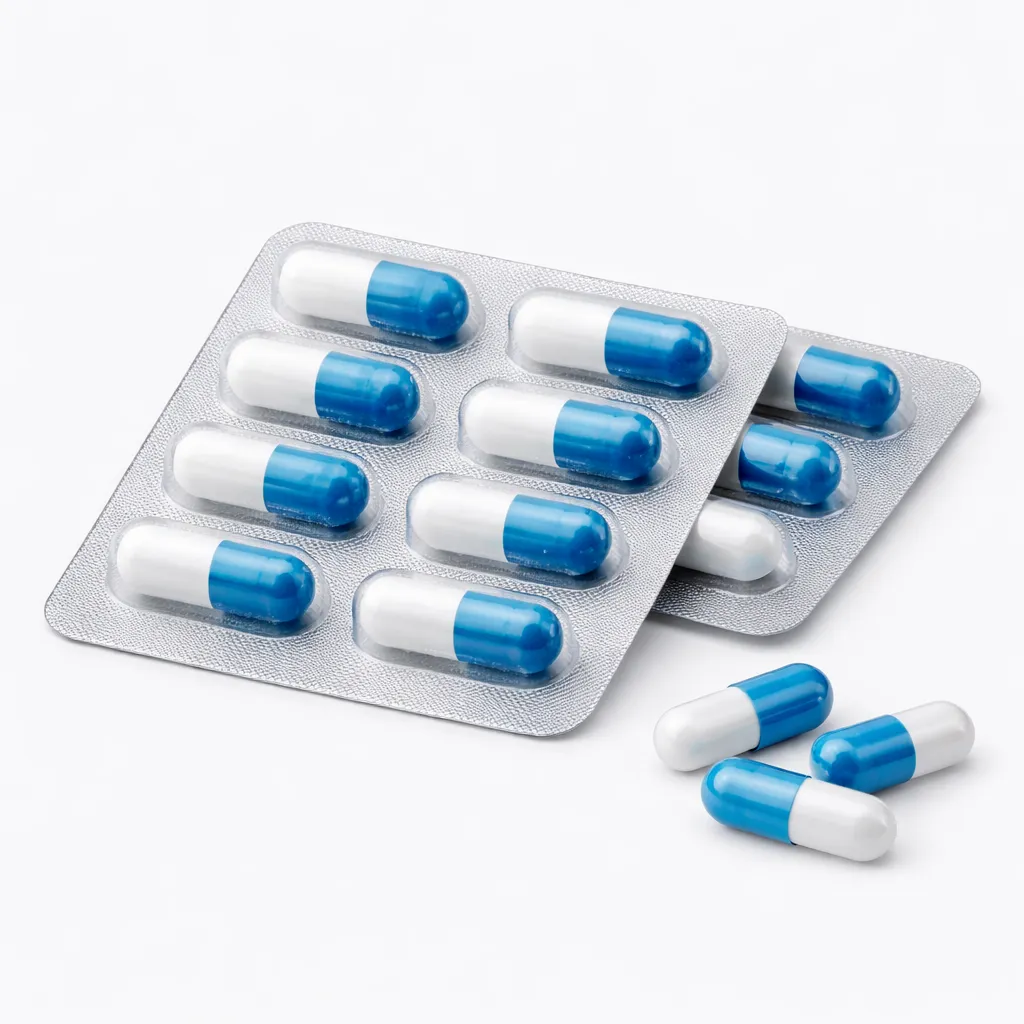
Description
MINOSUN 10 MG
Indications
MINOSUN 10 MG is primarily indicated for the treatment of various conditions related to the overproduction of certain hormones, particularly in cases of hyperaldosteronism. This medication is often prescribed to manage symptoms associated with hypertension and edema due to heart failure, liver cirrhosis, or nephrotic syndrome. Additionally, MINOSUN may be utilized in the management of primary hyperaldosteronism, also known as Conn’s syndrome, where it helps to lower blood pressure and reduce fluid retention.
Mechanism of Action
MINOSUN 10 MG contains the active ingredient spironolactone, which is a potassium-sparing diuretic. Its primary mechanism of action involves antagonism of the mineralocorticoid receptor, which inhibits the effects of aldosterone in the distal nephron of the kidney. By blocking aldosterone, MINOSUN promotes the excretion of sodium and water while retaining potassium. This diuretic effect helps to reduce blood volume and, consequently, lowers blood pressure. Moreover, spironolactone has anti-androgenic properties, which may be beneficial in treating conditions such as hirsutism and acne in women.
Pharmacological Properties
MINOSUN 10 MG is well-absorbed from the gastrointestinal tract, with peak plasma concentrations typically occurring within 1 to 3 hours after oral administration. The drug has a half-life of approximately 1.4 hours, but its active metabolites can persist in the body for a longer duration. Spironolactone is extensively metabolized in the liver, primarily through the cytochrome P450 system, and its metabolites contribute to its pharmacological effects. The renal clearance of spironolactone and its metabolites is significant, making renal function an important consideration in patients receiving this medication.
Contraindications
MINOSUN 10 MG is contraindicated in patients with known hypersensitivity to spironolactone or any of its components. Additionally, it should not be used in individuals with hyperkalemia, severe renal impairment, or acute renal failure. Patients with Addison’s disease or other conditions leading to adrenal insufficiency should also avoid this medication. Caution is advised when prescribing MINOSUN to patients with hepatic impairment, as the metabolism of the drug may be affected.
Side Effects
Common side effects of MINOSUN 10 MG may include dizziness, headache, gastrointestinal disturbances such as nausea and diarrhea, and electrolyte imbalances, particularly hyperkalemia. Other potential side effects include menstrual irregularities, breast tenderness, and gynecomastia in males. Rare but serious adverse effects may involve severe allergic reactions, renal dysfunction, and liver toxicity. Patients should be monitored regularly for electrolyte levels and renal function during treatment.
Dosage and Administration
The recommended dosage of MINOSUN 10 MG varies depending on the condition being treated. For hypertension, the usual starting dose is 25 to 100 mg per day, which may be adjusted based on the patient’s response and tolerance. In cases of heart failure or edema, the dosage may be increased to achieve the desired diuretic effect. It is important to administer MINOSUN with food to enhance absorption. Patients should be advised to take the medication at the same time each day to maintain consistent levels in the bloodstream.
Interactions
MINOSUN 10 MG may interact with several medications, leading to potential adverse effects or altered therapeutic efficacy. Co-administration with other diuretics may increase the risk of electrolyte imbalances. Nonsteroidal anti-inflammatory drugs (NSAIDs) can reduce the diuretic effect of spironolactone. Additionally, potassium supplements or potassium-sparing diuretics should be avoided to prevent hyperkalemia. It is crucial for patients to inform their healthcare providers of all medications, including over-the-counter drugs and supplements, to minimize the risk of interactions.
Precautions
Patients receiving MINOSUN 10 MG should be monitored closely for signs of hyperkalemia, particularly those with renal impairment, diabetes, or those taking medications that may increase potassium levels. Regular blood tests to assess electrolyte levels and renal function are recommended. Caution should also be exercised in patients with a history of liver disease, as spironolactone can exacerbate hepatic conditions. Pregnant and breastfeeding women should consult their healthcare provider before using this medication, as its safety during pregnancy and lactation has not been fully established.
Clinical Studies
Clinical studies have demonstrated the efficacy of MINOSUN 10 MG in managing hypertension and heart failure. In a randomized controlled trial, patients receiving spironolactone showed significant reductions in systolic and diastolic blood pressure compared to those receiving placebo. Additionally, studies have indicated that spironolactone can improve symptoms of heart failure and reduce hospitalizations. The drug’s role in managing primary hyperaldosteronism has also been supported by clinical evidence, highlighting its effectiveness in lowering plasma aldosterone levels and improving clinical outcomes in affected patients.
Conclusion
MINOSUN 10 MG is an effective medication for the management of hypertension, heart failure, and conditions related to hyperaldosteronism. Its unique mechanism of action as a potassium-sparing diuretic, along with its anti-androgenic properties, makes it a valuable therapeutic option. However, careful monitoring of electrolyte levels and renal function is essential to ensure patient safety and optimize therapeutic outcomes. As with any medication, patients should be fully informed about the potential side effects and drug interactions associated with MINOSUN, and they should adhere to their healthcare provider’s recommendations regarding dosage and administration.
Important
It is essential to use MINOSUN 10 MG responsibly and under the guidance of a qualified healthcare professional. Patients should be aware of the importance of adhering to prescribed dosages and attending regular follow-up appointments to monitor their health status.
