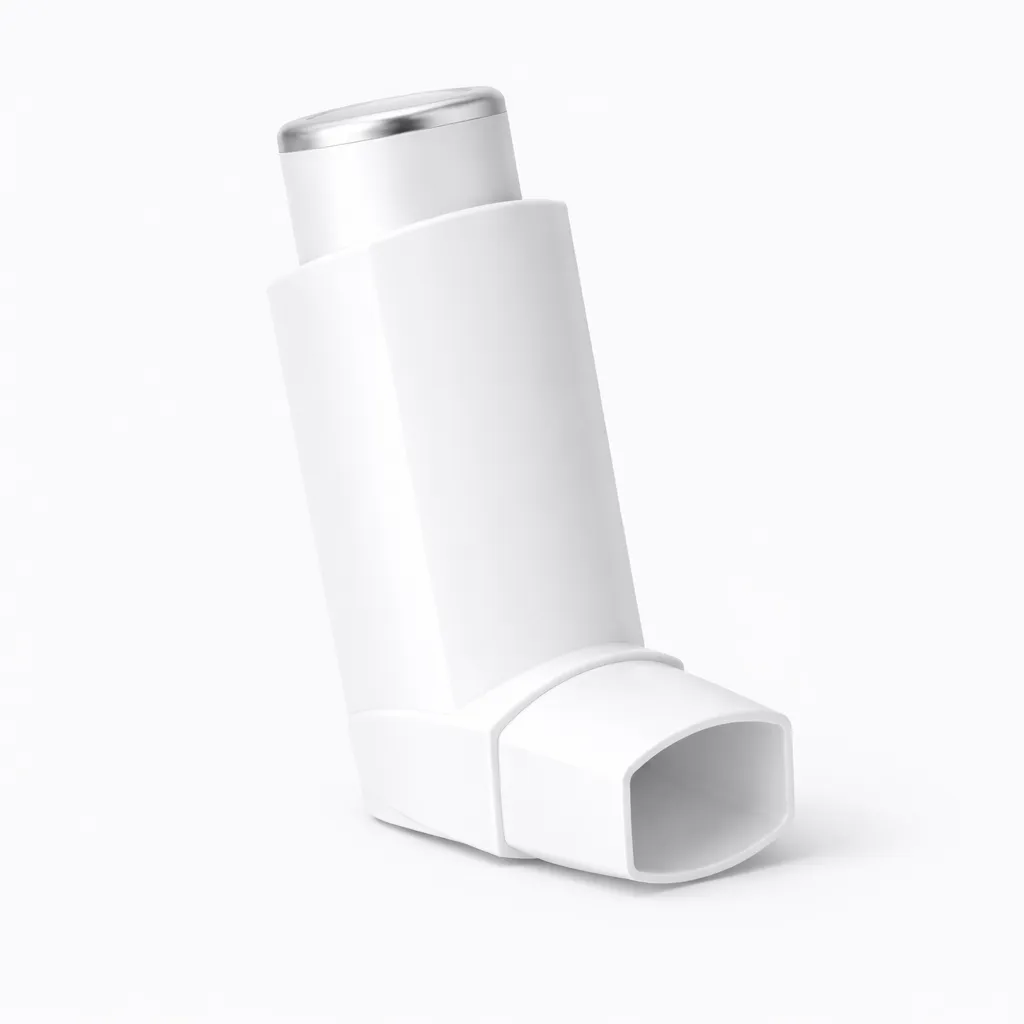
Description
MINOXYNOM 10 MG
Indications
MINOXYNOM 10 MG is primarily indicated for the treatment of hypertension (high blood pressure). It is often used in conjunction with other antihypertensive agents to achieve optimal blood pressure control. The medication is particularly beneficial for patients who have not responded adequately to standard antihypertensive therapies. Additionally, MINOXYNOM may be utilized in the management of certain cases of heart failure, especially when other treatments are insufficient.
Mechanism of Action
MINOXYNOM is a potent vasodilator. Its primary mechanism involves the relaxation of vascular smooth muscle, leading to a decrease in peripheral vascular resistance. This vasodilation results in a reduction of blood pressure. The exact mechanism by which MINOXYNOM induces vasodilation is not fully understood; however, it is believed to involve the opening of potassium channels in the smooth muscle cells, which leads to hyperpolarization and subsequent relaxation of the vascular walls. This action helps to lower blood pressure and improve blood flow, particularly in patients with hypertension.
Pharmacological Properties
MINOXYNOM is classified as a direct-acting vasodilator. After oral administration, it is rapidly absorbed from the gastrointestinal tract, with peak plasma concentrations typically occurring within 1 to 2 hours. The drug is extensively metabolized in the liver, and its metabolites contribute to its pharmacological effects. The half-life of MINOXYNOM is approximately 4 to 10 hours, and its effects can last for several hours, necessitating multiple doses throughout the day for sustained blood pressure control. MINOXYNOM is primarily excreted through the urine, and its pharmacokinetics may be influenced by liver function, making dose adjustments necessary in patients with hepatic impairment.
Contraindications
MINOXYNOM is contraindicated in patients with a known hypersensitivity to the drug or any of its components. It should not be used in individuals with pheochromocytoma, as it may exacerbate hypertension in these patients. Additionally, MINOXYNOM is contraindicated in cases of acute myocardial infarction or coronary artery disease, where its vasodilatory effects may lead to complications. Patients with a history of pericardial effusion or those who are pregnant or breastfeeding should also avoid using this medication unless the potential benefits outweigh the risks, as safety during pregnancy and lactation has not been established.
Side Effects
Common side effects associated with MINOXYNOM include tachycardia (increased heart rate), fluid retention, and headache. Due to its potent vasodilatory effects, patients may also experience hypotension (low blood pressure), which can lead to dizziness or fainting. Other potential side effects include gastrointestinal disturbances, such as nausea or vomiting, and skin reactions, including rash or hirsutism (excessive hair growth). It is essential for patients to monitor for these side effects and report any severe or persistent symptoms to their healthcare provider. In rare cases, MINOXYNOM may cause more serious adverse effects, such as pericardial effusion or myocardial ischemia, particularly in patients with pre-existing heart conditions.
Dosage and Administration
The recommended starting dose of MINOXYNOM for adults is typically 5 mg once daily, which may be adjusted based on the patient’s response and tolerance. The dosage can be gradually increased, with increments of 5 mg at weekly intervals, up to a maximum of 20 mg per day. It is essential to administer MINOXYNOM with a diuretic to prevent fluid retention and to monitor blood pressure regularly to ensure effective management. The medication can be taken with or without food, but consistency in the timing of doses is crucial for optimal effectiveness. For pediatric patients, the dosage should be determined by a healthcare provider based on individual needs and response.
Interactions
MINOXYNOM may interact with several other medications, which can alter its effectiveness or increase the risk of side effects. Concurrent use of other antihypertensive agents, such as diuretics or beta-blockers, can enhance the blood pressure-lowering effects of MINOXYNOM. However, caution is advised as this may also increase the risk of hypotension. Additionally, nonsteroidal anti-inflammatory drugs (NSAIDs) may reduce the antihypertensive effects of MINOXYNOM by promoting sodium and water retention. Patients should inform their healthcare provider of all medications, supplements, and herbal products they are taking to avoid potential interactions.
Precautions
Before initiating treatment with MINOXYNOM, a thorough medical history and assessment should be conducted, especially for patients with pre-existing cardiovascular conditions, renal impairment, or those who are elderly. Regular monitoring of blood pressure and heart rate is essential during treatment, particularly after dose adjustments. Patients should be advised to rise slowly from sitting or lying positions to minimize the risk of orthostatic hypotension. It is also crucial to educate patients about the importance of adherence to prescribed therapy and the necessity of lifestyle modifications, such as dietary changes and regular exercise, to enhance the overall management of hypertension.
Clinical Studies
Clinical studies have demonstrated the efficacy of MINOXYNOM in reducing blood pressure in patients with hypertension. In randomized controlled trials, MINOXYNOM has shown significant reductions in both systolic and diastolic blood pressure compared to placebo. The addition of MINOXYNOM to standard antihypertensive regimens has been associated with improved blood pressure control in patients who are resistant to other treatments. Furthermore, studies have indicated that MINOXYNOM can improve exercise tolerance and functional capacity in patients with heart failure when used in conjunction with other therapies. However, further research is needed to fully understand the long-term effects and safety profile of MINOXYNOM in diverse populations.
Conclusion
MINOXYNOM 10 MG is a valuable therapeutic option for managing hypertension, particularly in patients who have not achieved adequate control with standard treatments. Its potent vasodilatory effects can significantly lower blood pressure, improving patient outcomes. However, careful monitoring for side effects and interactions is essential to ensure safe and effective use. As with any medication, it is important for patients to engage in open communication with their healthcare providers to optimize their treatment plan and address any concerns that may arise during therapy.
Important
It is crucial to use MINOXYNOM 10 MG responsibly and under the guidance of a qualified healthcare professional. Patients should adhere to prescribed dosages and report any adverse effects promptly. Regular follow-up appointments are essential to monitor the effectiveness of the treatment and make necessary adjustments.