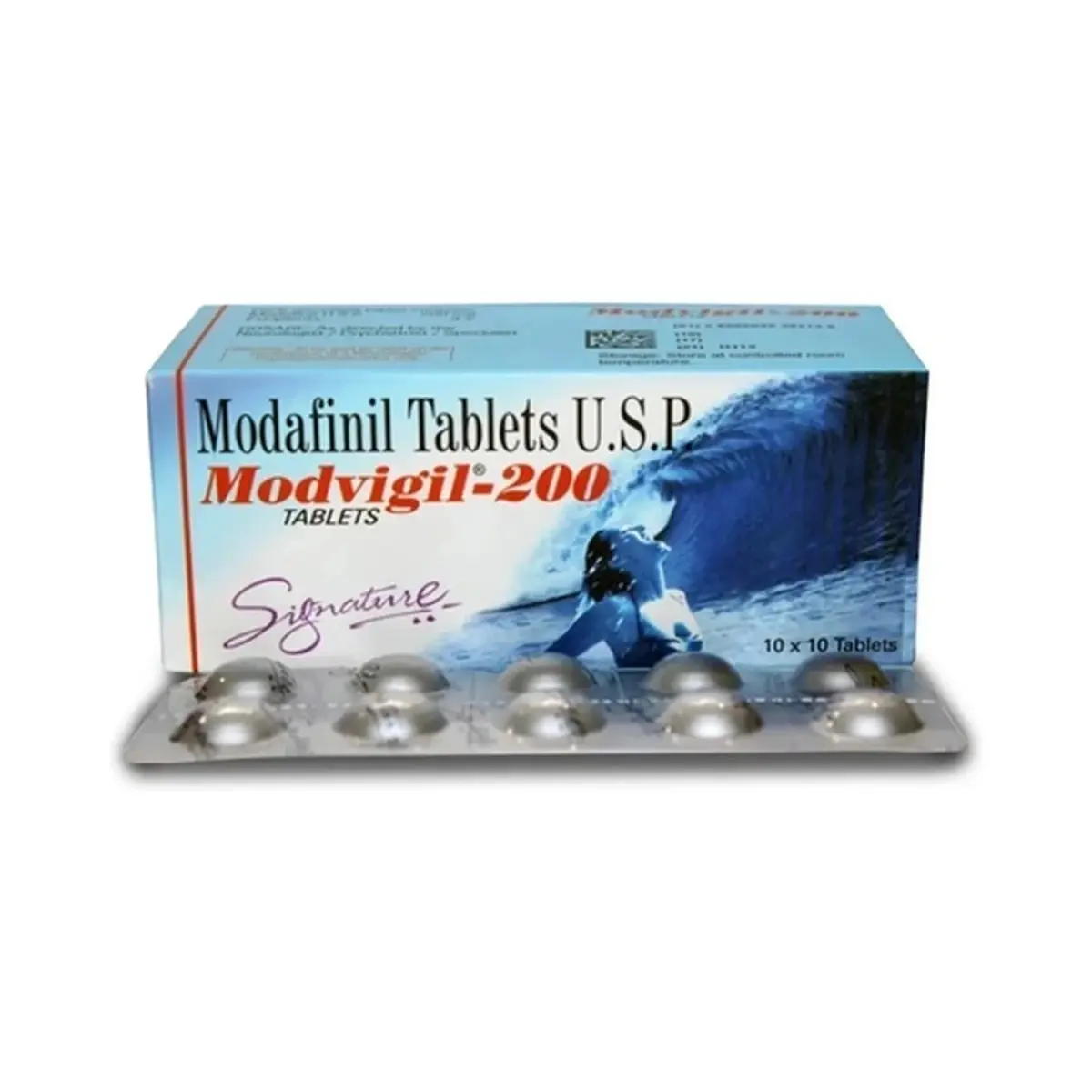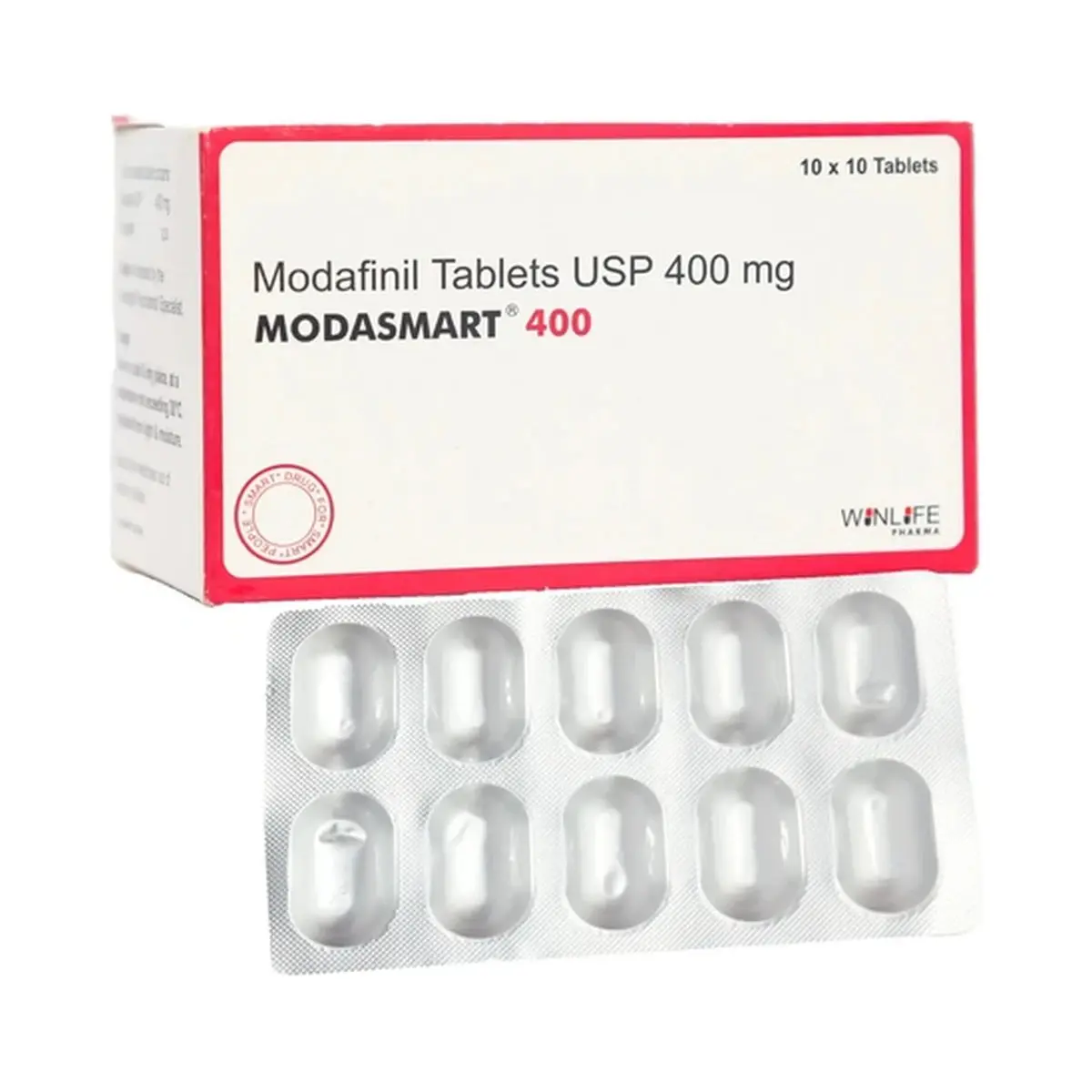
Description
Modasmart (Modafinil) 400 mg
Modasmart 400 mg is identified here as a modafinil product. Modafinil is a prescription wakefulness-promoting medicine used to reduce excessive sleepiness in certain sleep-wake disorders. The 400 mg strength appears to be a product identifier; official U.S. prescribing information for modafinil tablets lists 100 mg and 200 mg strengths.
Active Ingredient and Medicine Class
The verified active ingredient is modafinil. It is a wakefulness-promoting agent (often described as a eugeroic) and is regulated in the U.S. as a controlled substance.
Established Medical Uses
Regulatory labeling states that modafinil is indicated to improve wakefulness in adults with excessive sleepiness associated with narcolepsy, obstructive sleep apnea, and shift work disorder. In obstructive sleep apnea, it is used for sleepiness and not for the underlying airway obstruction.
How It Works
The exact mechanism is not fully established. Human and experimental studies suggest modafinil promotes wakefulness through effects on dopamine transporters and broader arousal systems, including histaminergic and orexinergic pathways. It is not the same as a classic amphetamine-type stimulant.
Important Safety Information
Modafinil is contraindicated in people with known hypersensitivity to modafinil or armodafinil. Important warnings include serious rash, angioedema, anaphylaxis, multi-organ hypersensitivity, psychiatric symptoms, and cardiovascular events. Labeling also notes caution in patients with a history of psychosis, depression, or mania, and in people with cardiovascular disease. Persistent sleepiness may still occur, and the medicine may affect driving or other hazardous activities.
Clinically significant interactions include reduced effectiveness of steroidal contraceptives, reduced cyclosporine concentrations, and increased exposure to some CYP2C19 substrates such as omeprazole, phenytoin, and diazepam. Labeling also notes possible fetal harm based on animal data.
Possible Side Effects
Common adverse effects include headache, nausea, nervousness, rhinitis, diarrhea, back pain, anxiety, insomnia, dizziness, and dyspepsia. Serious reactions can include severe skin reactions, allergic reactions, psychiatric effects, and cardiovascular problems.
Scientific Evidence
Randomized trials in narcolepsy found that modafinil improved objective and subjective measures of daytime wakefulness versus placebo, including at 200 mg and 400 mg doses, with adverse effects such as nausea and nervousness more evident at the higher dose in one study. Systematic reviews also support short-term efficacy for excessive daytime sleepiness in narcolepsy.
Medical Information Notice
This summary is for educational use only and is based on sources available at the time of review. It does not replace the official patient leaflet, prescribing information, or assessment by a qualified healthcare professional.
Medical Sources
- Dailymed — Modafinil tablets, for oral use, prescribing information
- DailyMed — Modafinil tablets, full prescribing information
- Turner, et al. “Randomized, double-blind, placebo-controlled crossover trial of modafinil in the treatment of excessive daytime sleepiness in narcolepsy.” Neurology, 1996. PubMed
- Ishizuka, et al. “Action of modafinil through histaminergic and orexinergic neurons.” Vitamins and Hormones, 2012. PubMed