
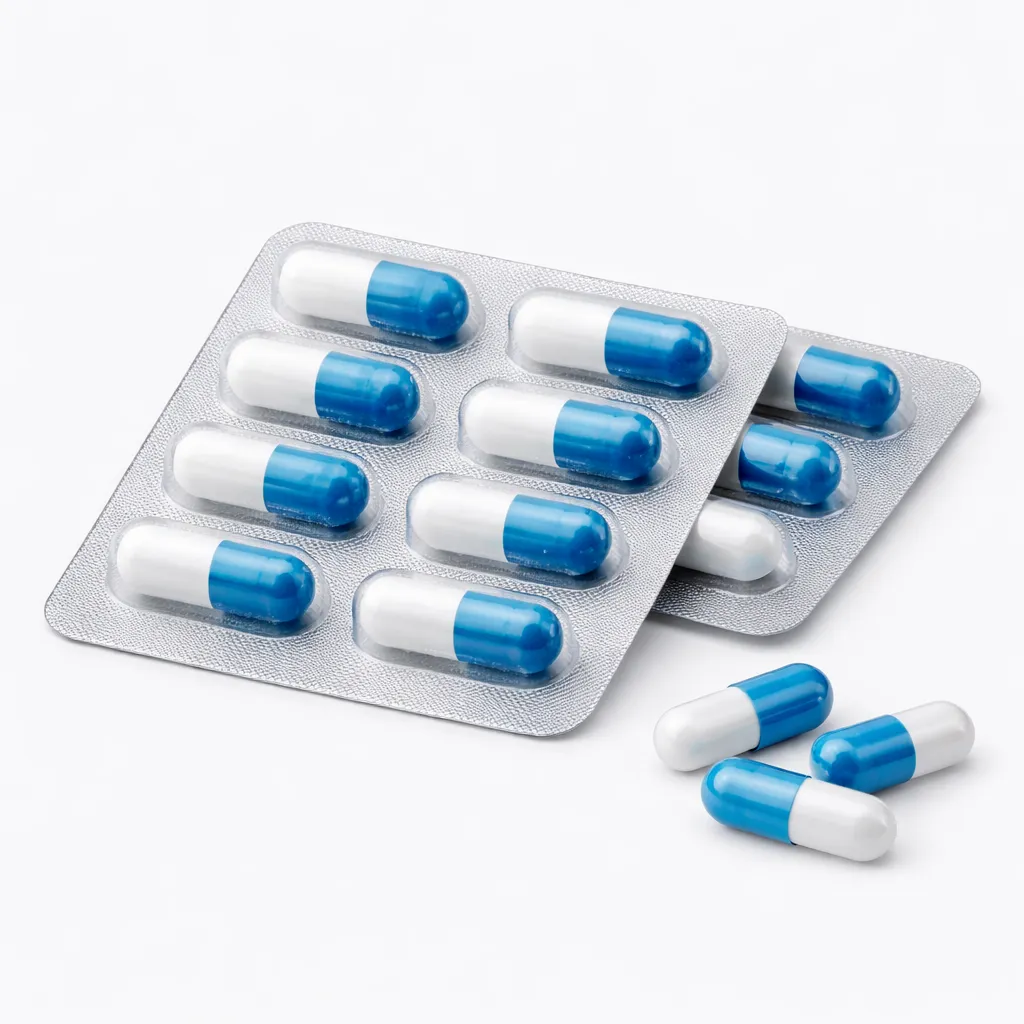
Description
MOLNULEE 200 MG (1X40)
Indications
MOLNULEE 200 MG is primarily indicated for the treatment of COVID-19 in adult patients who are at risk of developing severe disease. This antiviral medication is intended for use in conjunction with other supportive therapies and is not a substitute for vaccination. It is particularly beneficial for patients with underlying health conditions that may predispose them to severe outcomes from the virus.
Mechanism of Action
The active ingredient in MOLNULEE is Molnupiravir, an antiviral agent that works by inhibiting the replication of the SARS-CoV-2 virus. Molnupiravir is a prodrug that is metabolized into its active form, which incorporates into the viral RNA during replication. This incorporation leads to an accumulation of mutations, ultimately resulting in the inhibition of viral replication and a decrease in viral load within the host. By targeting the viral RNA polymerase, Molnupiravir disrupts the virus’s ability to reproduce effectively, thereby aiding in the resolution of the infection.
Pharmacological Properties
MOLNULEE exhibits a unique pharmacological profile. It is rapidly absorbed after oral administration, with peak plasma concentrations typically achieved within one to two hours. The bioavailability of Molnupiravir is favorable, allowing for effective dosing regimens. The drug is extensively distributed throughout the body and is metabolized primarily in the liver. Its elimination half-life is approximately 1.5 hours, necessitating multiple doses throughout the day to maintain therapeutic levels. The drug is primarily excreted via the kidneys, with a small fraction eliminated in the feces.
Contraindications
MOLNULEE is contraindicated in patients with a known hypersensitivity to Molnupiravir or any of the excipients in the formulation. Additionally, it should not be used in pregnant or breastfeeding individuals due to potential risks to the fetus or infant. Patients with severe renal impairment or liver dysfunction should also avoid this medication, as altered pharmacokinetics may increase the risk of adverse effects.
Side Effects
The use of MOLNULEE may be associated with a range of side effects. Common adverse reactions include gastrointestinal disturbances such as nausea, diarrhea, and abdominal pain. Other reported side effects may include headache, dizziness, and fatigue. Serious adverse effects are rare but can include allergic reactions and liver enzyme elevations. Patients should be monitored for any unusual symptoms or reactions during treatment, and medical advice should be sought if severe side effects occur.
Dosage and Administration
The recommended dosage of MOLNULEE for adults is 800 mg (four 200 mg capsules) taken orally every 12 hours for five days. It is essential to initiate treatment as soon as possible after the onset of symptoms and within five days of diagnosis. The capsules should be taken with or without food, and patients are advised to swallow them whole without chewing. Adherence to the prescribed dosing schedule is crucial for maximizing therapeutic benefits.
Interactions
MOLNULEE may interact with other medications, potentially affecting their efficacy or increasing the risk of adverse effects. Co-administration with drugs that are strong inhibitors or inducers of cytochrome P450 enzymes should be approached with caution. Additionally, the use of MOLNULEE alongside other antiviral medications has not been extensively studied, and caution is advised. Patients should inform their healthcare provider of all medications they are currently taking, including over-the-counter drugs and supplements, to avoid potential interactions.
Precautions
Clinical Studies
Clinical studies evaluating the efficacy and safety of MOLNULEE have demonstrated its potential in reducing the risk of hospitalization and severe outcomes in patients with mild to moderate COVID-19. In randomized controlled trials, patients treated with Molnupiravir showed a significant reduction in viral load compared to placebo. Furthermore, the treatment was associated with a lower incidence of hospitalization and death among high-risk populations. These findings support the use of MOLNULEE as a therapeutic option in the management of COVID-19, particularly in patients with underlying health conditions.
Conclusion
MOLNULEE 200 MG offers a promising therapeutic option for the treatment of COVID-19 in at-risk adult patients. Its mechanism of action, pharmacological properties, and clinical efficacy underline its potential role in managing this viral infection. However, careful consideration of contraindications, potential side effects, and drug interactions is essential for safe and effective use. As the landscape of COVID-19 treatment continues to evolve, ongoing research and clinical experience will further elucidate the role of MOLNULEE in the therapeutic arsenal against this global pandemic.
Important
It is crucial to use MOLNULEE responsibly and under the guidance of a healthcare professional. Adherence to prescribed dosages and monitoring for side effects can enhance treatment outcomes and minimize risks. Always consult with a healthcare provider for personalized medical advice.
