
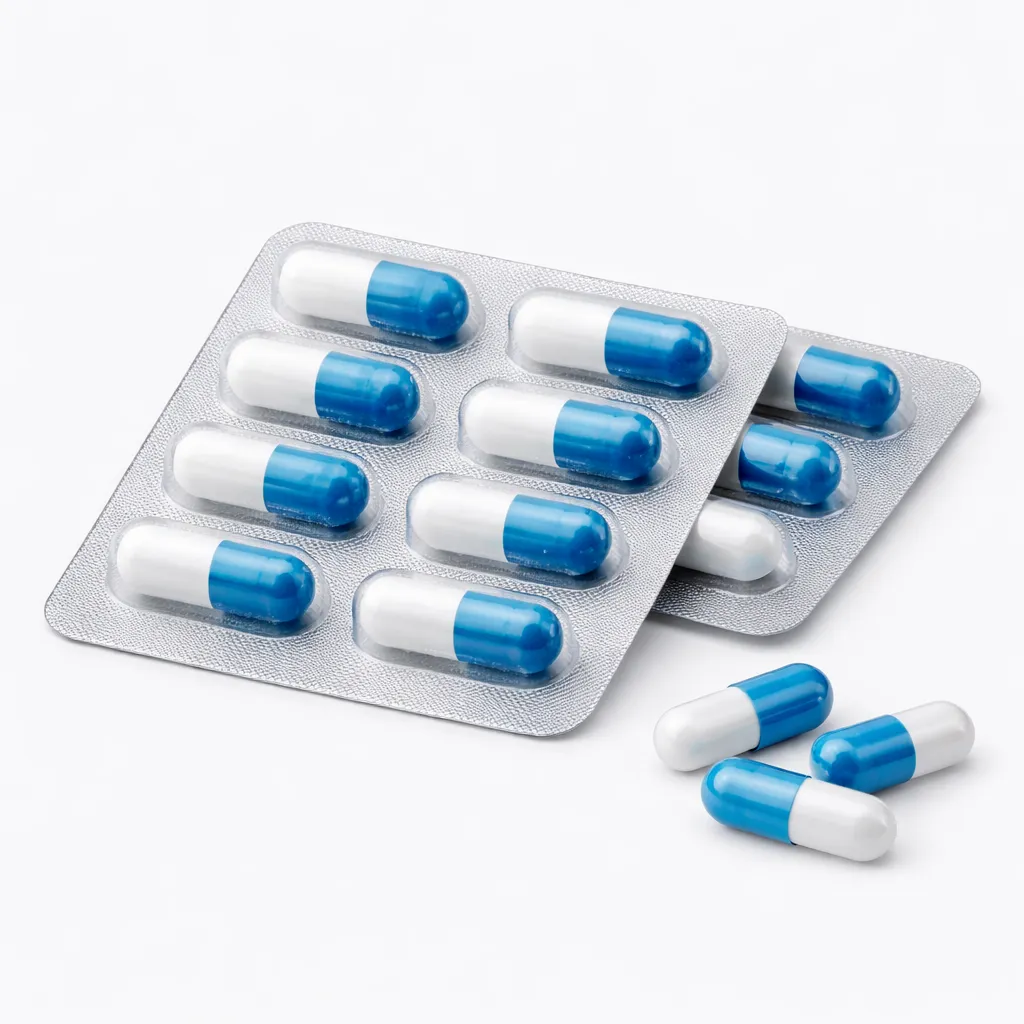
Description
MOX 250 MG CAPS
Indications
MOX 250 MG CAPS, containing the active ingredient moxifloxacin, is indicated for the treatment of various bacterial infections. These include respiratory tract infections such as community-acquired pneumonia and acute exacerbations of chronic bronchitis. It is also effective in treating skin and soft tissue infections, as well as intra-abdominal infections when used in combination with other antibiotics. Moxifloxacin is particularly useful for patients who have shown resistance to other antibiotics due to its broad-spectrum activity against both gram-positive and gram-negative bacteria.
Mechanism of Action
Moxifloxacin belongs to the fluoroquinolone class of antibiotics. Its primary mechanism of action is the inhibition of bacterial DNA gyrase and topoisomerase IV, enzymes essential for bacterial DNA replication, transcription, and repair. By interfering with these enzymes, moxifloxacin prevents bacterial cell division and ultimately leads to cell death. This mechanism makes it effective against a wide range of bacteria, including those that are resistant to other antibiotic classes.
Pharmacological Properties
Moxifloxacin is well-absorbed following oral administration, with peak plasma concentrations typically achieved within 1 to 2 hours. It has a bioavailability of approximately 90%, which is relatively high compared to other oral antibiotics. The drug is extensively distributed throughout body tissues, including the lungs, liver, and kidneys, and is known to penetrate well into the respiratory tract and other tissues. Moxifloxacin has a half-life of about 12 hours, allowing for once-daily dosing. It is primarily metabolized in the liver and excreted mainly through the feces, with a smaller proportion eliminated via urine.
Contraindications
MOX 250 MG CAPS is contraindicated in patients with a known hypersensitivity to moxifloxacin or other fluoroquinolones. It should also be avoided in individuals with a history of tendon disorders related to fluoroquinolone use, as there is an increased risk of tendon rupture. Additionally, the use of moxifloxacin is not recommended in patients with myasthenia gravis, as it may exacerbate muscle weakness. Caution is advised in those with a history of seizures or other central nervous system disorders.
Side Effects
Common side effects associated with MOX 250 MG CAPS include gastrointestinal disturbances such as nausea, diarrhea, and abdominal pain. Other potential side effects may include headache, dizziness, and insomnia. Serious adverse effects, though rare, can occur and may include tendon rupture, peripheral neuropathy, and severe allergic reactions. Patients should be advised to seek medical attention if they experience symptoms such as sudden pain or swelling in the tendons, severe skin reactions, or signs of anaphylaxis.
Dosage and Administration
The standard recommended dosage of MOX 250 MG CAPS for adults is one capsule taken orally once daily. The duration of treatment may vary depending on the type and severity of the infection but typically ranges from 5 to 14 days. It is important for patients to complete the full course of therapy as prescribed, even if symptoms improve before the medication is finished. The capsules should be swallowed whole with water and can be taken with or without food.
Interactions
Moxifloxacin may interact with several medications, which can alter its effectiveness or increase the risk of adverse effects. Notably, antacids containing aluminum, magnesium, or calcium can reduce the absorption of moxifloxacin, leading to decreased efficacy. Therefore, it is advisable to separate the administration of these agents by at least 4 hours. Additionally, concurrent use of anticoagulants such as warfarin may require careful monitoring due to potential alterations in coagulation parameters. Patients should inform their healthcare provider of all medications they are taking, including over-the-counter drugs and supplements.
Precautions
Before initiating treatment with MOX 250 MG CAPS, healthcare providers should assess the patient’s medical history, particularly regarding any previous allergic reactions to antibiotics and existing medical conditions such as liver or kidney impairment. Caution should be exercised in elderly patients, as they may be at an increased risk for adverse effects. Moxifloxacin should be used with care in patients with a history of QT interval prolongation or those taking medications that may prolong the QT interval, as this can lead to serious cardiac arrhythmias.
Clinical Studies
Clinical studies have demonstrated the efficacy of moxifloxacin in treating various bacterial infections. In a randomized controlled trial involving patients with community-acquired pneumonia, moxifloxacin was shown to be as effective as other standard antibiotics, with a comparable safety profile. Another study focused on skin and soft tissue infections found that moxifloxacin provided significant clinical improvement in a majority of patients, with a low incidence of serious adverse events. These studies support the use of MOX 250 MG CAPS as a reliable treatment option for bacterial infections, particularly in cases where resistance to other antibiotics is a concern.
Conclusion
MOX 250 MG CAPS is a broad-spectrum antibiotic that is effective in treating a variety of bacterial infections. Its unique mechanism of action, favorable pharmacokinetic profile, and clinical efficacy make it a valuable option in the antibiotic arsenal. However, as with all medications, it is essential for healthcare providers to consider individual patient factors, potential drug interactions, and the risk of adverse effects when prescribing this medication. Proper patient education regarding the use of MOX 250 MG CAPS can enhance treatment outcomes and minimize risks.
Important
It is crucial to use MOX 250 MG CAPS responsibly and only under the guidance of a qualified healthcare professional. Misuse of antibiotics can lead to resistance, making infections harder to treat. Always follow your healthcare provider’s instructions regarding dosage and duration of therapy.

