Description
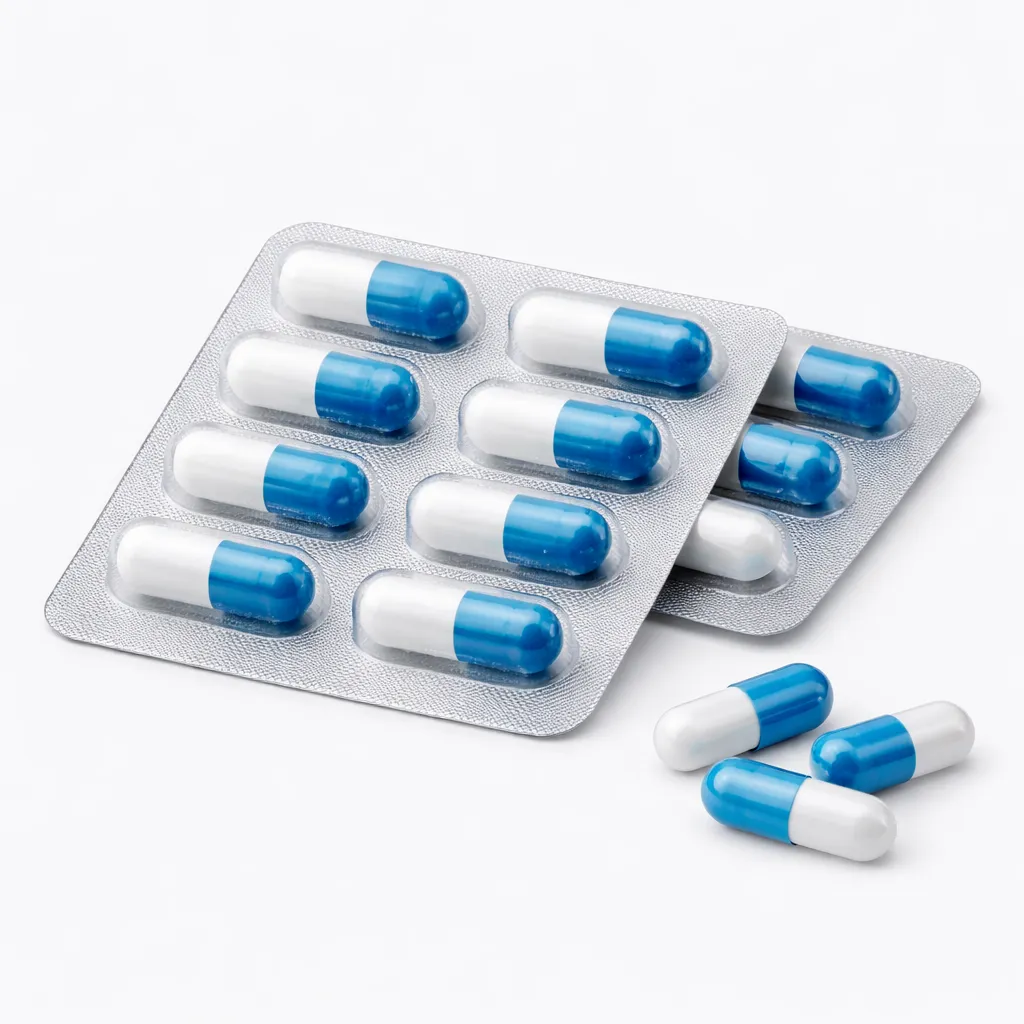
NAC SR 75 MG
Indications
NAC SR 75 MG, which stands for N-acetylcysteine sustained release, is primarily indicated for the treatment of chronic obstructive pulmonary disease (COPD), bronchitis, and other respiratory conditions characterized by excessive mucus production. It is also utilized as a mucolytic agent to help thin and loosen mucus in the airways, making it easier to cough up. Additionally, NAC has been studied for its potential role in treating acetaminophen overdose, where it acts as an antidote by replenishing glutathione levels in the liver.
Mechanism of Action
The primary mechanism of action of NAC SR involves its ability to break disulfide bonds in mucus, leading to a reduction in its viscosity. This mucolytic effect facilitates easier clearance of mucus from the respiratory tract. Furthermore, NAC serves as a precursor to the amino acid cysteine, which is crucial for the synthesis of glutathione, a potent antioxidant. By increasing glutathione levels, NAC helps to protect cells from oxidative stress and damage, particularly in conditions such as COPD and other chronic respiratory diseases.
Pharmacological Properties
NAC SR is characterized by its sustained-release formulation, allowing for a prolonged therapeutic effect with fewer doses throughout the day. The pharmacokinetics of NAC indicate that it is rapidly absorbed after oral administration, with peak plasma concentrations typically occurring within 1 to 2 hours. The drug is metabolized primarily in the liver and has a half-life of approximately 5.6 hours. NAC is excreted mainly through the urine, and its pharmacological properties make it suitable for long-term management of chronic respiratory conditions.
Contraindications
NAC SR should not be used in patients with a known hypersensitivity to N-acetylcysteine or any of its components. Caution is advised in individuals with a history of asthma or bronchospasm, as NAC may induce bronchial constriction in sensitive patients. Additionally, the use of NAC in individuals with severe hepatic impairment should be closely monitored due to the potential for altered drug metabolism and increased risk of adverse effects.
Side Effects
Common side effects associated with NAC SR may include gastrointestinal disturbances such as nausea, vomiting, diarrhea, and abdominal pain. Other potential side effects can include headache, dizziness, and skin rashes. In rare cases, allergic reactions may occur, presenting as urticaria or anaphylaxis. Patients should be advised to report any unusual or severe reactions to their healthcare provider promptly.
Dosage and Administration
The recommended dosage of NAC SR 75 MG varies depending on the specific condition being treated. For chronic respiratory conditions, the typical adult dosage is one tablet taken once or twice daily, as directed by a healthcare professional. It is advisable to take NAC with food to minimize gastrointestinal discomfort. Dosage adjustments may be necessary for patients with renal impairment or those taking other medications that may interact with NAC. Always follow the prescribing physician’s instructions for optimal results.
Interactions
NAC SR may interact with certain medications, including nitroglycerin, which can enhance the vasodilatory effects and increase the risk of hypotension. Additionally, the concurrent use of NAC with other medications that affect liver metabolism should be approached with caution, as it may alter the pharmacokinetics of those drugs. It is essential for patients to inform their healthcare provider of all medications, supplements, and herbal products they are taking to avoid potential interactions.
Precautions
Before initiating treatment with NAC SR, a thorough medical history should be obtained, particularly focusing on respiratory conditions and any history of hypersensitivity reactions. Patients with asthma should be monitored closely during treatment, as NAC can potentially exacerbate bronchospasm. It is also important to assess liver function in patients with pre-existing liver disease, as dosage adjustments may be necessary. Pregnant and breastfeeding women should consult their healthcare provider before using NAC, as the safety profile in these populations has not been fully established.
Clinical Studies
Numerous clinical studies have investigated the efficacy and safety of NAC in various respiratory conditions. A study published in the journal “Chest” reported that NAC significantly improved lung function and reduced exacerbations in patients with COPD when compared to placebo. Another randomized controlled trial demonstrated that NAC reduced the frequency and severity of acute exacerbations of chronic bronchitis. Furthermore, research has shown that NAC’s antioxidant properties may provide protective effects in patients with chronic respiratory diseases, highlighting its potential role in long-term management strategies.
Conclusion
NAC SR 75 MG is a valuable therapeutic agent in the management of chronic respiratory conditions, particularly due to its mucolytic properties and ability to enhance antioxidant defenses. While generally well-tolerated, it is essential for healthcare providers to monitor patients for potential side effects and interactions with other medications. Ongoing research continues to explore the full range of benefits and applications of NAC in clinical practice, reaffirming its importance in respiratory health management.
Important
It is crucial to use NAC SR 75 MG responsibly and only under the guidance of a qualified healthcare professional. Patients should adhere to prescribed dosages and report any adverse effects to their healthcare provider promptly.