Description
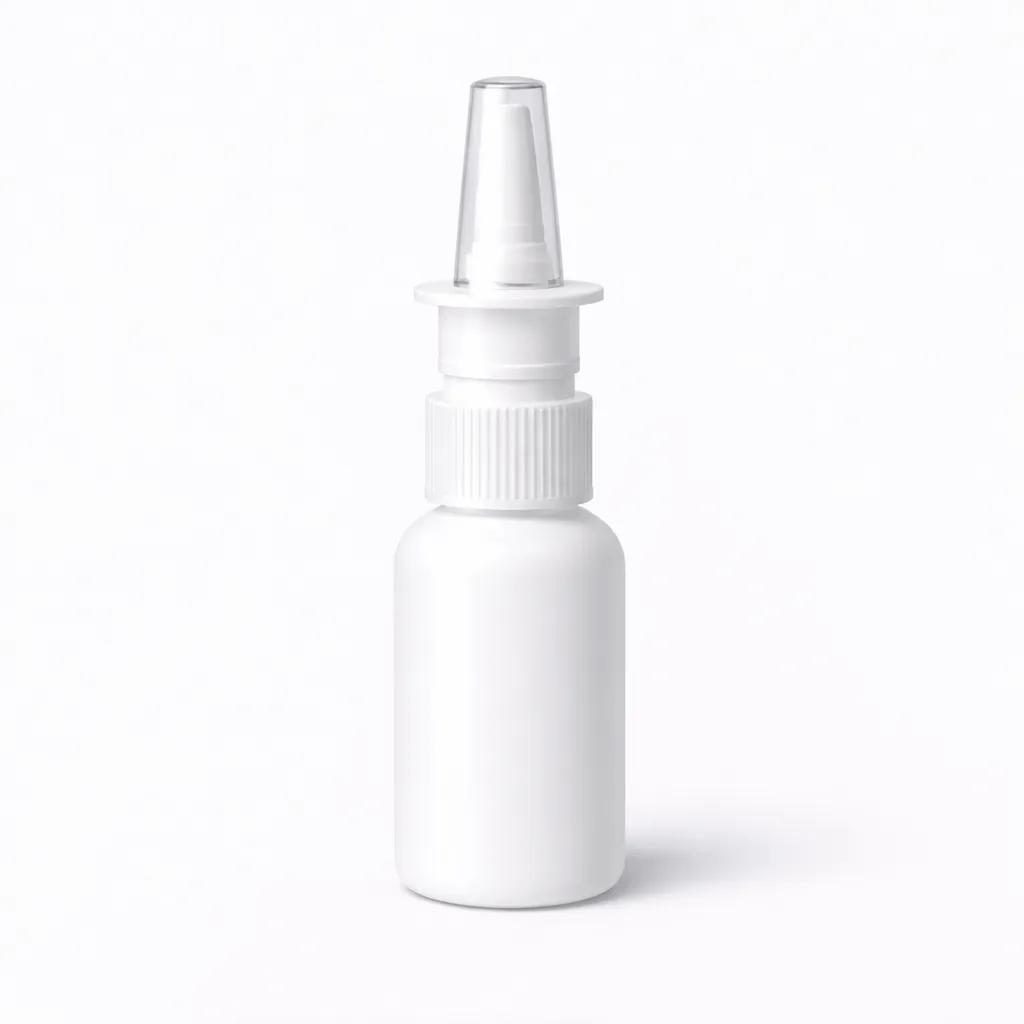
NASONEX NASAL SPRAY 50 MCG
Indications
Nasonex (mometasone furoate) nasal spray is indicated for the treatment of allergic rhinitis in adults and children aged 2 years and older. It is effective in alleviating symptoms such as nasal congestion, sneezing, and runny or itchy nose. Additionally, Nasonex is indicated for the treatment of nasal polyps in adults aged 18 years and older, helping to reduce the size of polyps and improve nasal breathing.
Mechanism of Action
Nasonex contains mometasone furoate, a synthetic corticosteroid with potent anti-inflammatory properties. The primary mechanism of action involves the inhibition of inflammatory mediators and the suppression of the immune response. Mometasone furoate binds to glucocorticoid receptors in target tissues, leading to the downregulation of pro-inflammatory cytokines and the upregulation of anti-inflammatory proteins. This results in reduced inflammation and alleviation of allergic symptoms in the nasal passages.
Pharmacological Properties
Mometasone furoate exhibits a high affinity for glucocorticoid receptors, which contributes to its efficacy at low doses. The pharmacokinetics of Nasonex reveal that after intranasal administration, mometasone is rapidly absorbed with a peak plasma concentration occurring within approximately 1 to 2 hours. The systemic bioavailability of mometasone furoate is low (less than 1%), minimizing the potential for systemic side effects. The drug is primarily metabolized by the liver via cytochrome P450 enzymes and excreted in the urine and feces. The half-life of mometasone furoate is approximately 5.8 hours.
Contraindications
Nasonex is contraindicated in patients with a known hypersensitivity to mometasone furoate or any of the components of the nasal spray. It should not be used in patients with untreated fungal, bacterial, or viral infections of the nasal passages or in those with active tuberculosis. Caution is advised when prescribing Nasonex to patients with a history of severe allergic reactions or those with ocular herpes simplex virus infections.
Side Effects
The use of Nasonex may be associated with several side effects, although not all patients will experience them. Common side effects include nasal irritation, headache, and epistaxis (nosebleeds). Less frequently, patients may report a burning sensation in the nasal passages, throat irritation, or a dry mouth. Serious side effects are rare but can include allergic reactions, vision changes, or signs of adrenal suppression. It is important for patients to report any unusual symptoms to their healthcare provider promptly.
Dosage and Administration
The recommended dosage of Nasonex for adults and children aged 12 years and older is two sprays (50 mcg per spray) in each nostril once daily. For children aged 2 to 11 years, the recommended dosage is one spray in each nostril once daily. For the treatment of nasal polyps in adults, the recommended dosage is two sprays in each nostril once daily. Patients should be advised to shake the bottle gently before use and to prime the spray pump if it has not been used for more than 14 days. It is essential to follow the prescribed dosage and not exceed the recommended amount to minimize the risk of side effects.
Interactions
Drug interactions with Nasonex are minimal due to its low systemic absorption. However, caution should be exercised when using Nasonex concurrently with other intranasal corticosteroids, as this may increase the risk of systemic corticosteroid effects. Additionally, patients taking other medications that affect liver enzymes, particularly CYP3A4 inhibitors, should be monitored closely, as they may alter the metabolism of mometasone furoate. It is advisable for patients to inform their healthcare provider about all medications they are currently taking, including over-the-counter drugs and herbal supplements.
Precautions
Patients using Nasonex should be monitored for signs of local infections or systemic corticosteroid effects, especially if used for prolonged periods. It is important to use Nasonex at the lowest effective dose for the shortest duration necessary to control symptoms. Patients with a history of glaucoma or cataracts should be particularly cautious, as corticosteroids may elevate intraocular pressure or exacerbate existing eye conditions. Additionally, patients should be advised to avoid exposure to infections and to practice good hygiene to minimize the risk of respiratory infections while using this medication.
Clinical Studies
Clinical studies have demonstrated the efficacy and safety of Nasonex in treating allergic rhinitis and nasal polyps. In a randomized, double-blind, placebo-controlled trial involving adults with seasonal allergic rhinitis, Nasonex significantly reduced nasal symptoms compared to placebo, with improvements observed within 12 hours of the first dose. Another study focusing on patients with nasal polyps showed that treatment with Nasonex resulted in a significant reduction in polyp size and improvement in nasal airflow. Overall, the findings support the use of Nasonex as a safe and effective treatment option for patients suffering from allergic rhinitis and nasal polyps.
Conclusion
Nasonex nasal spray 50 mcg is a valuable therapeutic option for managing allergic rhinitis and nasal polyps. Its potent anti-inflammatory properties, low systemic absorption, and favorable safety profile make it suitable for both adults and children. Patients should be educated on the proper use of the spray and informed about potential side effects and drug interactions. Regular follow-up with healthcare providers is essential to monitor treatment efficacy and safety.
Important
It is crucial to use Nasonex nasal spray responsibly and as directed by a healthcare professional. Patients should not exceed the recommended dosage and should consult their healthcare provider if symptoms persist or worsen. Proper usage and adherence to medical advice can help ensure the safe and effective management of allergic rhinitis and nasal polyps.