
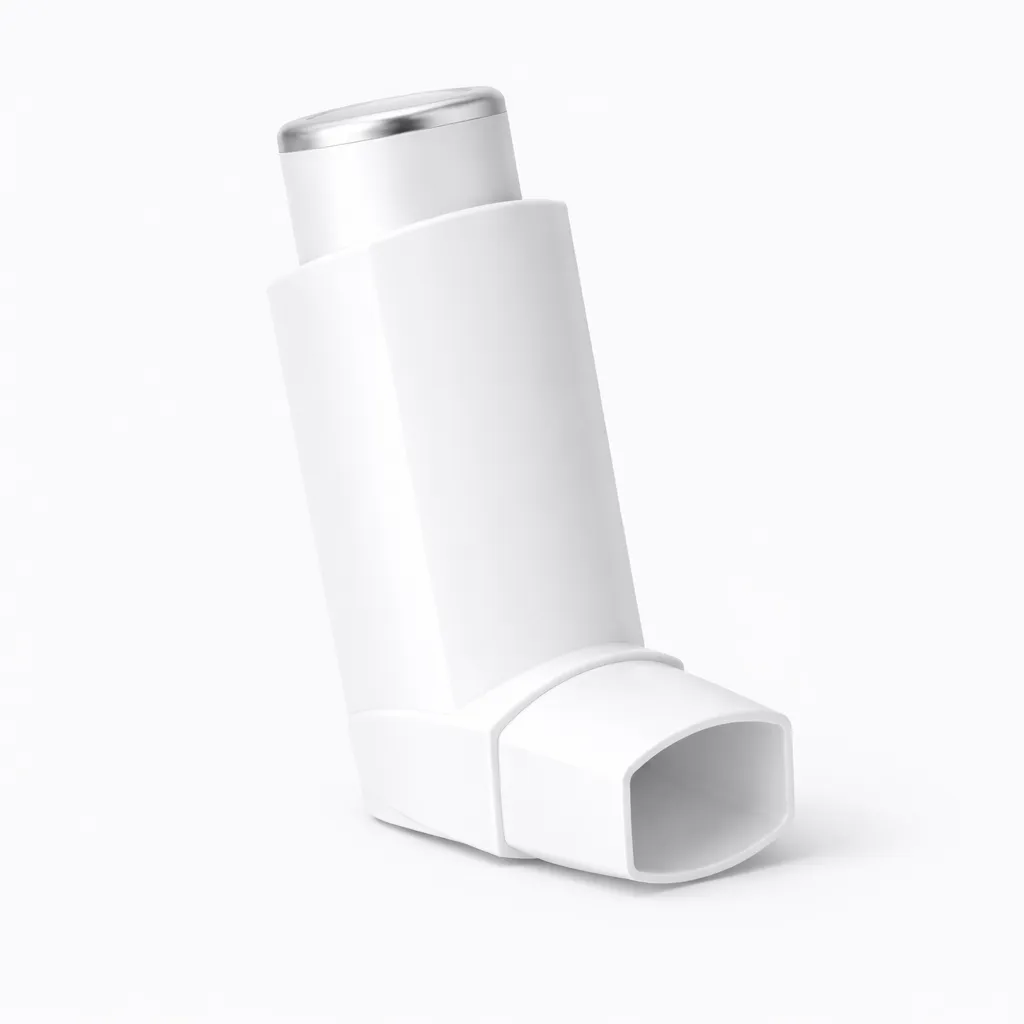
Description
Nebuliser Machine
Indications
The nebuliser machine is primarily indicated for the treatment of respiratory conditions such as asthma, chronic obstructive pulmonary disease (COPD), cystic fibrosis, and other pulmonary disorders. It is particularly beneficial for patients who may have difficulty using inhalers or require a higher dose of medication delivered directly to the lungs. Nebulisers are also used in emergency settings for acute asthma attacks or severe respiratory distress, providing rapid relief by administering bronchodilators and corticosteroids in aerosolized form.
Mechanism of Action
Nebulisers work by converting Bottle medication into a fine mist or aerosol, which can be inhaled directly into the lungs. This process typically involves the use of a compressor that generates a stream of air, which passes through a nebuliser chamber containing the medication. The air stream breaks the Bottle into tiny droplets, allowing for deep penetration into the airways. The medications used in nebulisers, such as bronchodilators and corticosteroids, act on specific receptors in the airway smooth muscle, leading to relaxation of the muscles, reduction of inflammation, and improved airflow.
Pharmacological Properties
The pharmacological properties of medications delivered via nebulisers vary based on the specific drug used. Commonly nebulised medications include beta-agonists (such as albuterol), anticholinergics (such as ipratropium bromide), and corticosteroids (such as budesonide). Beta-agonists work by stimulating adrenergic receptors, leading to bronchodilation. Anticholinergics block the action of acetylcholine on muscarinic receptors, resulting in decreased bronchoconstriction. Corticosteroids exert anti-inflammatory effects by inhibiting the release of inflammatory mediators and reducing airway swelling.
Contraindications
While nebulisers are generally safe, there are certain contraindications to consider. Patients with a known hypersensitivity to the medication being administered should not use a nebuliser. Additionally, those with severe cardiovascular disease, uncontrolled hypertension, or hyperthyroidism should use caution, as some nebulised medications can exacerbate these conditions. It is essential for healthcare providers to evaluate each patient’s medical history and current medications before initiating nebuliser therapy.
Side Effects
The use of nebulisers may lead to various side effects, although they are generally well-tolerated. Common side effects include throat irritation, cough, and a bitter taste in the mouth. Systemic side effects can occur, particularly with beta-agonists, and may include increased heart rate, tremors, and anxiety. Corticosteroids can lead to oral thrush if not rinsed from the mouth after use. It is important for patients to be aware of these potential side effects and to report any significant or persistent symptoms to their healthcare provider.
Dosage and Administration
The dosage and administration of nebulised medications depend on the specific drug and the patient’s age, weight, and severity of the condition. Typically, a nebuliser treatment lasts about 5 to 15 minutes, during which the patient inhales the aerosolized medication. The frequency of nebulisation can range from once a day to multiple times a day, depending on the clinical situation. It is crucial for patients to follow their healthcare provider’s instructions regarding dosage and frequency to ensure optimal therapeutic outcomes.
Interactions
Drug interactions may occur with nebulised medications, particularly with other respiratory therapies. For instance, the concurrent use of multiple bronchodilators should be monitored to avoid excessive stimulation of the cardiovascular system. Additionally, certain medications may enhance or diminish the effects of nebulised drugs. Patients should inform their healthcare providers of all medications they are currently taking, including over-the-counter drugs and supplements, to prevent potential interactions.
Precautions
Patients using nebulisers should take several precautions to ensure safe and effective treatment. It is essential to maintain proper hygiene by cleaning the nebuliser equipment regularly to prevent infections. Patients should also be educated on the correct technique for using the nebuliser, including the importance of breathing deeply and slowly during treatment. Moreover, patients with specific comorbidities, such as diabetes or glaucoma, should consult their healthcare provider for tailored advice on nebuliser use, as certain medications may exacerbate these conditions.
Clinical Studies
Numerous clinical studies have evaluated the efficacy and safety of nebulised therapies in various populations. Research has demonstrated that nebulised bronchodilators provide rapid relief of acute bronchospasm in asthma and COPD patients. A study published in the Journal of Allergy and Clinical Immunology indicated that nebulised corticosteroids significantly reduce airway inflammation in patients with persistent asthma. Another study in the European Respiratory Journal found that nebulised therapies improve lung function and quality of life in patients with cystic fibrosis. These findings underscore the importance of nebulisers in managing chronic respiratory conditions effectively.
Conclusion
The nebuliser machine is a valuable tool in the management of respiratory diseases, providing an effective means of delivering medications directly to the lungs. Its ability to administer various therapeutic agents makes it suitable for a wide range of patients, particularly those who struggle with traditional inhalers. Understanding the indications, mechanisms, and potential side effects of nebulised therapies is crucial for both healthcare providers and patients to ensure safe and effective treatment. As with any medical device, proper usage and adherence to prescribed protocols are essential for achieving the best possible outcomes.
Important
It is essential to use the nebuliser machine responsibly and according to the guidance of a healthcare professional. Proper maintenance and hygiene of the device are crucial to prevent infections and ensure effective treatment. Always consult with a healthcare provider regarding any concerns or questions about nebuliser therapy.
