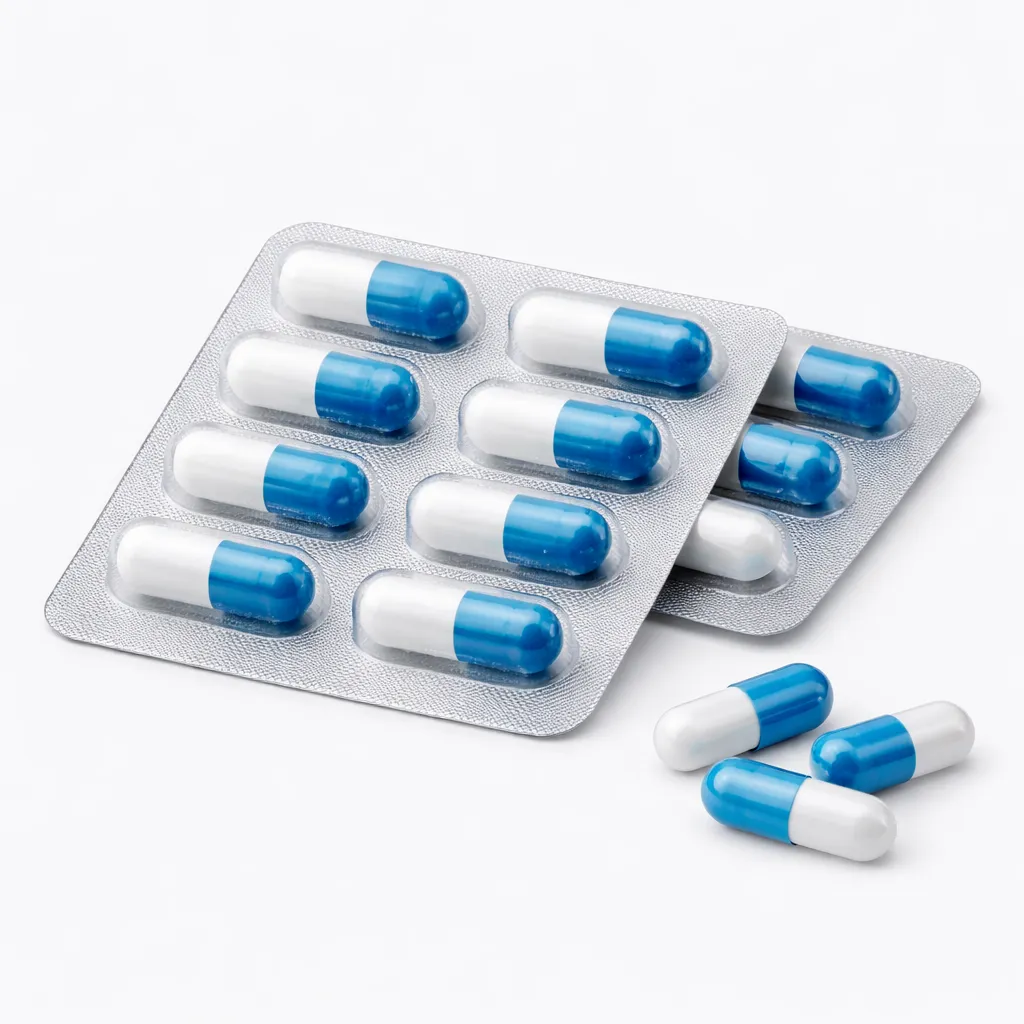
Description
NICOTINE PATCHES 7 MG
Indications
Nicotine patches 7 mg are primarily indicated for the management of nicotine dependence in adults who are attempting to quit smoking. These transdermal patches are designed to deliver a controlled dose of nicotine through the skin, thereby alleviating withdrawal symptoms and cravings associated with smoking cessation. The 7 mg dosage is typically recommended for individuals who smoke fewer than 10 cigarettes per day or who are transitioning from higher doses of nicotine replacement therapy.
Mechanism of Action
The nicotine patch works by releasing nicotine steadily into the bloodstream through the skin over a 24-hour period. This method of delivery helps to maintain stable nicotine levels in the body, which reduces the fluctuations that can lead to cravings and withdrawal symptoms. By mimicking the effects of nicotine obtained from smoking, the patch helps to ease the transition away from tobacco use. The gradual reduction in nicotine levels can also facilitate a smoother cessation process, allowing individuals to focus on behavioral changes necessary for long-term abstinence.
Pharmacological Properties
The active ingredient in nicotine patches is nicotine, a potent alkaloid with a high affinity for nicotinic acetylcholine receptors in the brain. Upon application, nicotine is absorbed through the skin and enters the systemic circulation, where it exerts its pharmacological effects. The pharmacokinetics of nicotine from patches involve a slower onset of action compared to smoking, which leads to a more stable and sustained release of nicotine. This property minimizes the peak-and-trough effects commonly experienced with smoking, thereby reducing the likelihood of relapse.
Contraindications
Nicotine patches are contraindicated in individuals with a known hypersensitivity to nicotine or any of the patch components. Additionally, they should not be used in patients with severe cardiovascular diseases, such as unstable angina or recent myocardial infarction, without medical supervision. Pregnant and breastfeeding women should consult healthcare professionals before using nicotine patches, as nicotine exposure can affect fetal and infant development. Individuals with a history of seizures or those taking medications that lower the seizure threshold should also exercise caution.
Side Effects
Common side effects associated with nicotine patches include skin irritation at the application site, which may manifest as redness, itching, or rash. Other side effects can include dizziness, headache, nausea, insomnia, and vivid dreams. In some cases, users may experience increased heart rate or palpitations. While most side effects are mild and transient, it is essential for users to monitor their reactions to the patch and consult a healthcare professional if severe or persistent symptoms occur.
Dosage and Administration
The recommended dosage for nicotine patches is typically based on the individual’s smoking habits. For those who smoke fewer than 10 cigarettes per day, the 7 mg patch is appropriate. The patch should be applied to a clean, dry, and hairless area of the skin, preferably on the upper body or outer arm. Users should change the patch daily, applying it at the same time each day, and should rotate the application site to prevent skin irritation. The duration of therapy may vary, but it is generally recommended to use the patch for a minimum of 8 to 12 weeks, gradually tapering off the dosage as needed.
Interactions
Nicotine patches may interact with various medications, particularly those that affect the central nervous system. Drugs that lower the seizure threshold, such as certain antidepressants and antipsychotics, may have increased risks when used concurrently with nicotine patches. Additionally, nicotine can induce the metabolism of certain medications, potentially leading to decreased efficacy. It is crucial for individuals to inform their healthcare provider of all medications they are taking to avoid potential interactions.
Precautions
Before starting nicotine patch therapy, individuals should undergo a thorough assessment by a healthcare professional to evaluate their smoking history and overall health status. Special precautions should be taken for individuals with pre-existing health conditions, such as cardiovascular disease, diabetes, or respiratory disorders. Users should also be advised to avoid smoking while using the patch, as this can lead to nicotine overdose and increase the risk of adverse effects. Patients should be educated on the signs of nicotine toxicity, which include nausea, vomiting, increased heart rate, and severe headache.
Clinical Studies
Numerous clinical studies have demonstrated the efficacy of nicotine patches in smoking cessation. A meta-analysis published in the Journal of the American Medical Association (JAMA) found that nicotine replacement therapy, including patches, significantly increased the likelihood of quitting smoking compared to placebo. Another study published in the Cochrane Database of Systematic Reviews indicated that higher doses of nicotine patches, such as 21 mg, were more effective for heavy smokers, while lower doses, like the 7 mg patch, were suitable for light smokers. These studies underscore the importance of tailoring nicotine replacement therapy to individual smoking patterns for optimal outcomes.
Conclusion
Nicotine patches 7 mg offer a valuable option for individuals seeking to quit smoking by providing a controlled and steady release of nicotine to alleviate withdrawal symptoms. With a clear understanding of their indications, mechanisms, and potential side effects, users can effectively incorporate these patches into their smoking cessation plan. It is essential to approach nicotine replacement therapy under the guidance of a healthcare professional to ensure safety and maximize the likelihood of successful quitting.
Important
It is crucial to use nicotine patches responsibly and as directed. Always consult with a healthcare professional before starting any smoking cessation treatment, and be aware of the potential risks and benefits associated with nicotine replacement therapy.