Description
NINTIB 150 MG
Indications
NINTIB 150 MG is primarily indicated for the treatment of various types of cancer, particularly those that are resistant to traditional therapies. It is commonly used in patients with advanced or metastatic solid tumors, including but not limited to non-small cell lung cancer (NSCLC) and breast cancer. The drug is specifically designed for use in patients who have undergone prior treatment regimens without achieving satisfactory results. NINTIB is often used in conjunction with other therapeutic agents to enhance its efficacy and improve patient outcomes.
Mechanism of Action
The active ingredient in NINTIB is a potent inhibitor of specific signaling pathways involved in tumor growth and progression. It primarily targets the vascular endothelial growth factor (VEGF) receptors, which play a crucial role in angiogenesis—the formation of new blood vessels that supply nutrients to tumors. By inhibiting these receptors, NINTIB effectively reduces tumor vascularization, leading to decreased tumor growth and metastasis. Additionally, this drug may affect other pathways involved in cell proliferation and survival, contributing to its overall antitumor activity.
Pharmacological Properties
NINTIB exhibits a unique pharmacokinetic profile that allows for effective absorption and distribution throughout the body. After oral administration, the drug is rapidly absorbed, with peak plasma concentrations occurring within a few hours. It has a high bioavailability, which enhances its therapeutic potential. The drug is extensively metabolized in the liver, primarily by cytochrome P450 enzymes, and its metabolites are excreted mainly through the urine and feces. The half-life of NINTIB is approximately 12 hours, allowing for once-daily dosing in most treatment regimens.
Contraindications
NINTIB should not be used in patients with a known hypersensitivity to the active ingredient or any of the excipients in the formulation. Additionally, it is contraindicated in individuals with severe liver impairment or those who are currently pregnant or breastfeeding, as the safety of NINTIB in these populations has not been established. Caution is advised in patients with a history of cardiovascular disease, as the drug may exacerbate underlying conditions.
Side Effects
As with any medication, NINTIB may cause a range of side effects. Commonly reported adverse reactions include nausea, vomiting, diarrhea, fatigue, and loss of appetite. More serious side effects may include hypertension, bleeding complications, and liver function abnormalities. Patients should be monitored regularly for these potential adverse effects, and any significant changes should be reported to a healthcare provider immediately. It is essential for patients to discuss any pre-existing conditions or medications with their healthcare provider to minimize the risk of adverse events.
Dosage and Administration
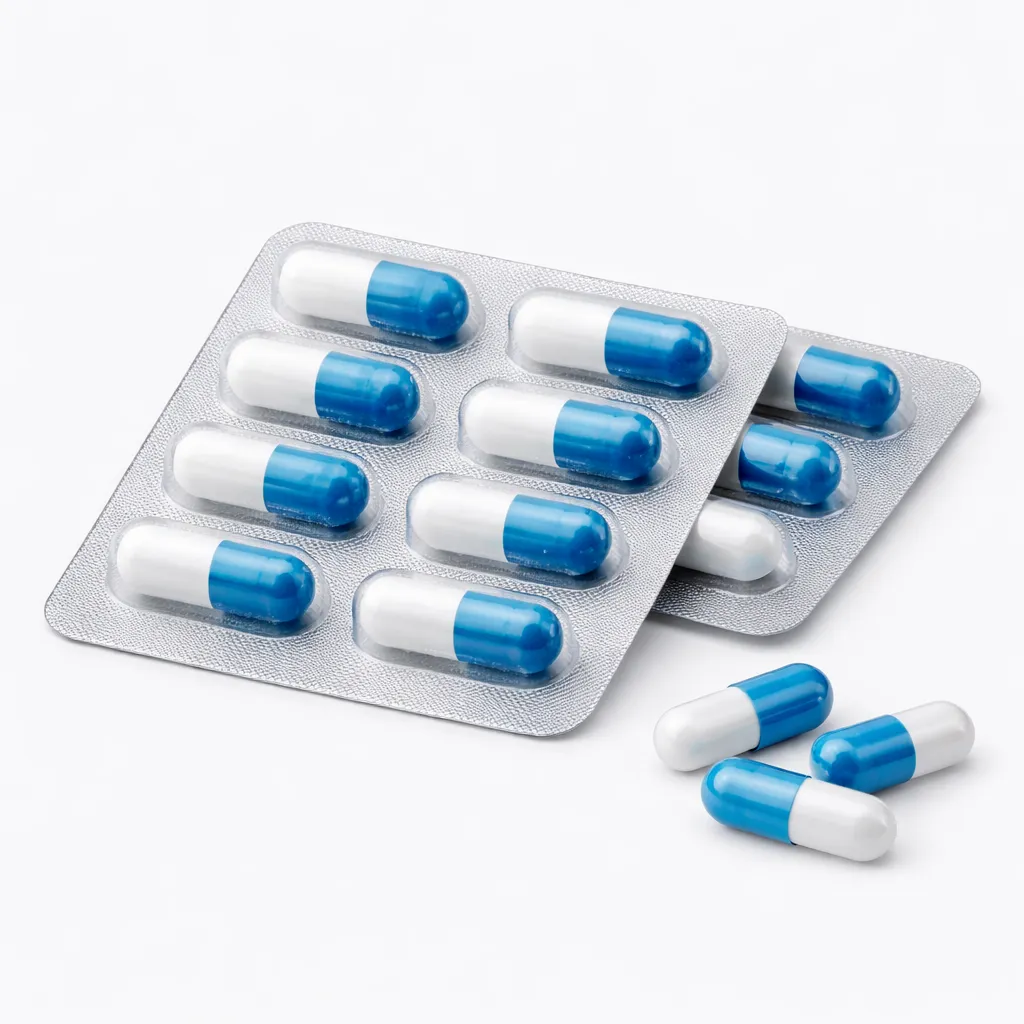
The recommended dosage of NINTIB is typically 150 mg taken orally once daily. It is advisable to take the medication at the same time each day to maintain consistent blood levels. The tablets should be swallowed whole, without crushing or chewing, and can be taken with or without food. In cases of missed doses, patients should take the missed dose as soon as they remember, unless it is close to the time of the next scheduled dose. In such cases, the missed dose should be skipped, and the regular dosing schedule should be resumed. Dose adjustments may be necessary based on the patient’s tolerance and response to treatment.
Interactions
NINTIB may interact with various medications, which can affect its efficacy and safety profile. Co-administration with strong CYP3A4 inhibitors or inducers can alter the metabolism of NINTIB, leading to increased toxicity or reduced therapeutic effects. Patients should inform their healthcare provider of all medications they are currently taking, including over-the-counter drugs and herbal supplements. Special caution should be exercised when using NINTIB in combination with anticoagulants, as the risk of bleeding may be heightened.
Precautions
Before starting treatment with NINTIB, a thorough medical history and physical examination should be conducted. Patients should be assessed for any pre-existing conditions that may increase the risk of adverse effects. Regular monitoring of blood pressure and liver function tests is recommended during treatment. Patients should be advised to maintain adequate hydration and report any signs of bleeding or unusual bruising. It is crucial for individuals to avoid pregnancy during treatment and for a period after discontinuation, as NINTIB may cause fetal harm.
Clinical Studies
Clinical studies have demonstrated the efficacy of NINTIB in various cancer types. In randomized controlled trials, patients receiving NINTIB showed significant improvements in progression-free survival compared to those receiving placebo or standard care. The drug has been evaluated in combination with other agents, showing enhanced antitumor activity and manageable side effects. Ongoing studies are investigating the long-term benefits and safety of NINTIB in diverse patient populations, further solidifying its role in cancer treatment.
Conclusion
NINTIB 150 MG represents a significant advancement in the pharmacological management of certain cancers, particularly in patients with limited treatment options. Its unique mechanism of action and favorable pharmacokinetic properties make it a valuable addition to oncological therapies. However, careful consideration of contraindications, potential side effects, and drug interactions is essential for optimizing patient outcomes. As research continues to evolve, NINTIB may further establish its position in the therapeutic landscape of oncology.
Important
It is essential to use NINTIB responsibly and under the supervision of a qualified healthcare professional. Patients should adhere to prescribed dosages and report any side effects or concerns to their doctor promptly. Regular follow-up appointments are crucial for monitoring treatment efficacy and safety.