Description
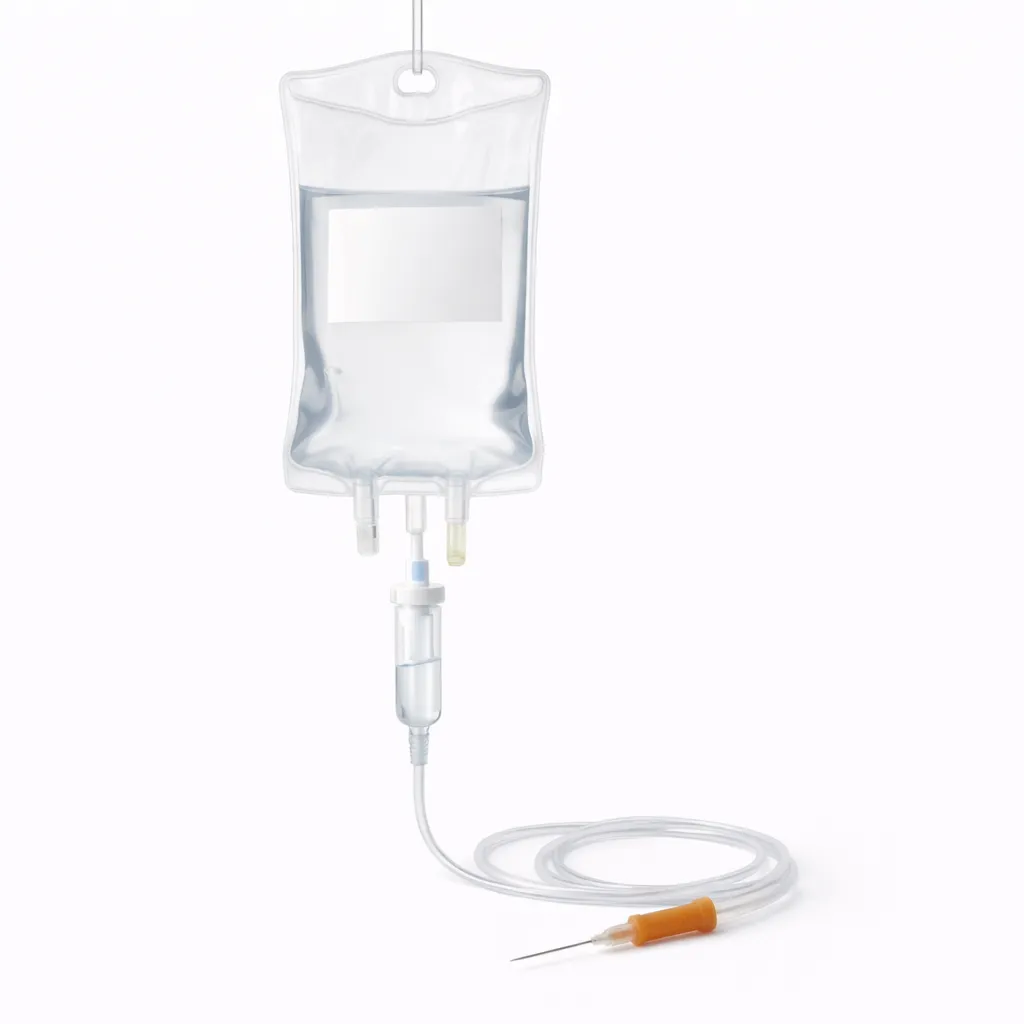
NIPRESS 50 MG INJ
Indications
NIPRESS 50 MG INJ, containing the active ingredient nitroprusside sodium, is primarily indicated for the rapid reduction of blood pressure in hypertensive emergencies. It is also used in controlled hypotension during surgical procedures to facilitate surgical exposure. Additionally, NIPRESS may be indicated in cases of acute heart failure, where immediate vasodilation is necessary to alleviate symptoms and improve cardiac output.
Mechanism of Action
Nitroprusside sodium is a potent vasodilator. It works by releasing nitric oxide (NO) upon metabolism, which relaxes smooth muscle in blood vessels, leading to vasodilation. This mechanism results in decreased systemic vascular resistance and venous return to the heart, effectively lowering blood pressure. The rapid onset of action (within seconds) and short duration of effect (approximately 1-10 minutes) make NIPRESS particularly useful in acute clinical settings.
Pharmacological Properties
NIPRESS is administered intravenously, allowing for immediate therapeutic effects. The pharmacokinetics of nitroprusside indicate that it is rapidly metabolized in the body, primarily in the liver, to thiocyanate and other metabolites. The elimination half-life of nitroprusside is extremely short, typically around 2 minutes, which necessitates continuous infusion for sustained effects. The drug is also highly soluble in water, facilitating its use in intravenous formulations.
Contraindications
NIPRESS should not be used in patients with known hypersensitivity to nitroprusside or any component of the formulation. It is contraindicated in individuals with severe hypotension, inadequate cerebral perfusion, and conditions where increased intracranial pressure is present. Additionally, it should not be administered in conjunction with phosphodiesterase inhibitors, as this may lead to severe hypotension.
Side Effects
The use of NIPRESS may be associated with various side effects, which can range from mild to severe. Common side effects include headache, dizziness, and gastrointestinal disturbances such as nausea and vomiting. More serious adverse effects may include hypotension, cyanide toxicity (particularly with prolonged use or high doses), and methemoglobinemia. Continuous monitoring of blood pressure and signs of toxicity is essential during treatment.
Dosage and Administration
NIPRESS is typically administered as a continuous intravenous infusion. The initial dosage is generally 0.3 to 0.5 mcg/kg/min, which may be titrated based on the patient’s response and blood pressure levels. The infusion rate can be adjusted every few minutes, but it is crucial to avoid exceeding the maximum recommended dose of 10 mcg/kg/min to minimize the risk of adverse effects. The duration of therapy should be as short as possible to limit potential toxicity.
Interactions
NIPRESS may interact with several medications, which can enhance its hypotensive effects. Co-administration with other antihypertensive agents, such as diuretics, beta-blockers, or ACE inhibitors, may lead to additive effects on blood pressure. Additionally, the use of nitroprusside with phosphodiesterase inhibitors (e.g., sildenafil) can result in severe hypotension. It is important to review a patient’s medication history thoroughly before initiating treatment with NIPRESS.
Precautions
Before administering NIPRESS, healthcare providers should assess the patient’s overall clinical status, including renal and hepatic function, as these can influence drug metabolism and excretion. Continuous monitoring of blood pressure, heart rate, and signs of toxicity is essential during treatment. Patients with a history of liver disease, renal impairment, or those who are pregnant should be treated with caution. The risk of cyanide toxicity increases with prolonged infusion, especially in patients with compromised renal function.
Clinical Studies
Clinical studies have demonstrated the efficacy of NIPRESS in managing hypertensive emergencies and controlled hypotension during surgery. One study published in the Journal of Hypertension highlighted the rapid onset of action and effectiveness of nitroprusside in reducing blood pressure in patients with acute hypertensive crises. Another trial in the Journal of the American College of Cardiology noted the benefits of nitroprusside in patients with acute heart failure, showing significant improvements in hemodynamic parameters. These studies reinforce the role of NIPRESS as a critical agent in acute cardiovascular management.
Conclusion
NIPRESS 50 MG INJ is a vital medication for the rapid management of hypertensive emergencies and controlled hypotension in surgical settings. Its mechanism of action as a potent vasodilator allows for immediate therapeutic effects, making it indispensable in acute care. However, careful consideration of contraindications, potential side effects, and drug interactions is crucial for safe and effective use. Continuous monitoring and adherence to recommended dosing guidelines will help mitigate risks, particularly concerning cyanide toxicity and hypotension.
Important
It is essential to use NIPRESS responsibly and under the supervision of a qualified healthcare professional. Proper dosing and monitoring can help minimize risks and ensure effective treatment outcomes.