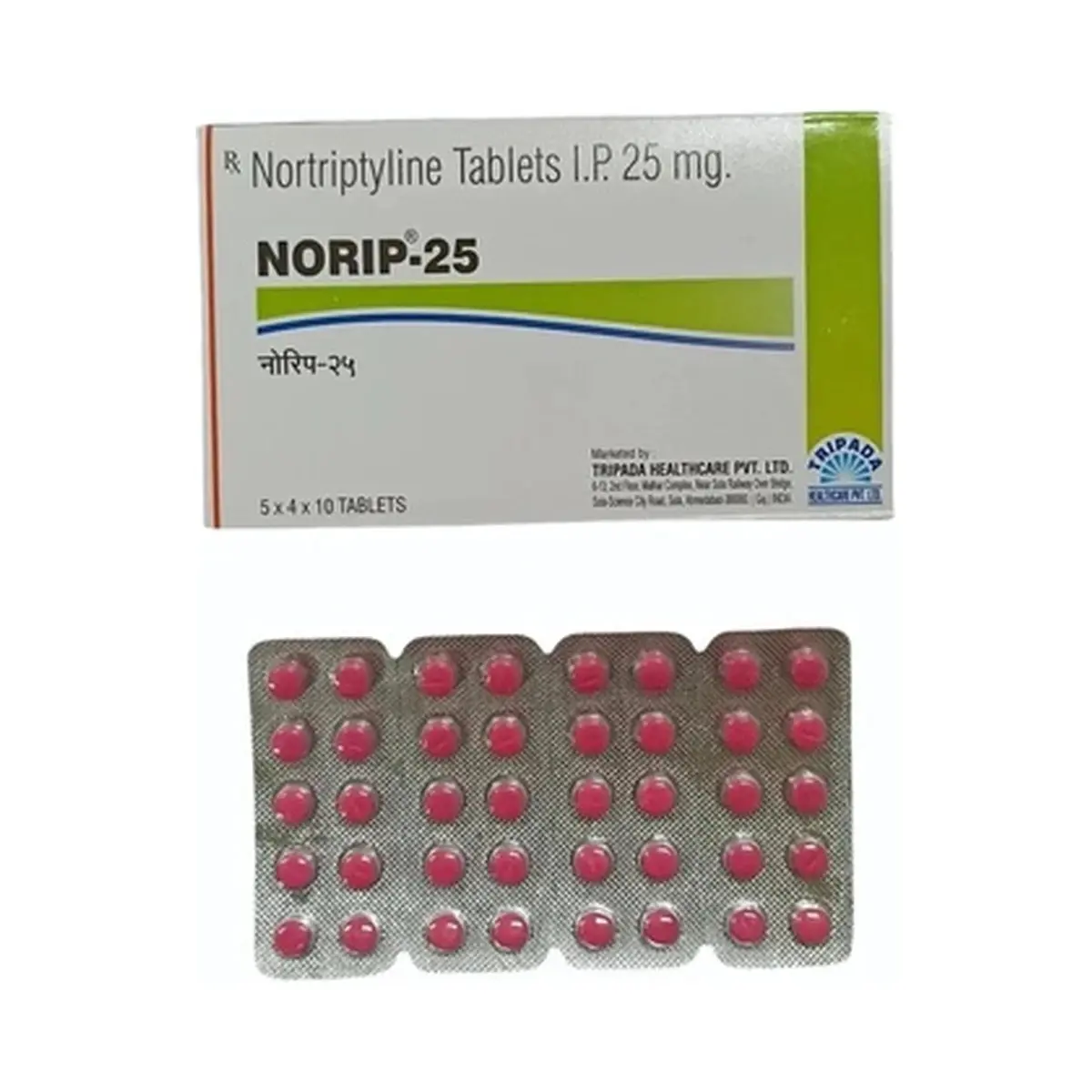
Description
Norip (Nortriptyline) 10 mg
Norip 10 mg is a brand of nortriptyline, a tricyclic antidepressant. Official prescribing information for nortriptyline describes it as a medicine used for the relief of depressive symptoms. Clinical literature also describes off-label use in some neuropathic pain conditions, although the strength of evidence is limited and use varies by guideline and setting.
Active Ingredient and Medicine Class
Active ingredient: nortriptyline hydrochloride.
Medicine class: tricyclic antidepressant (TCA). Nortriptyline has pharmacologic effects on neurotransmitter systems involved in mood and pain signaling, including norepinephrine and serotonin pathways.
Established Medical Uses
Regulatory labeling supports nortriptyline for the relief of symptoms of depression. Published reviews and trials also report use in neuropathic pain and some other chronic pain conditions, but the evidence base is mixed and not as robust as for some alternative treatments.
How It Works
Nortriptyline is thought to work mainly by increasing the availability of certain neurotransmitters in the nervous system, especially norepinephrine and serotonin, which may help improve mood and reduce some pain signals. Official labeling also notes activity at other receptor systems, including histamine and acetylcholine receptors, which contributes to many of its effects and side effects.
Important Safety Information
Nortriptyline should not be used with, or too soon after, monoamine oxidase inhibitors (MAOIs) because of the risk of serotonin syndrome. It is also contraindicated in people with hypersensitivity to tricyclic antidepressants and during the acute recovery period after myocardial infarction. Labeling warns about worsening depression, suicidal thoughts or behavior, especially early in treatment and in younger patients.
Clinically significant interactions include other serotonergic medicines such as certain antidepressants, triptans, fentanyl, lithium, tramadol, buspirone, tryptophan, and St. John’s wort, as well as MAOIs such as linezolid and intravenous methylene blue. In older adults, caution is advised because of possible arrhythmias, blood pressure changes, and confusion.
Possible Side Effects
Reported side effects include drowsiness, dizziness, dry mouth, blurred vision, constipation, urinary retention, nausea, tremor, palpitations, tachycardia, low blood pressure, confusion, agitation, and insomnia. Serious reactions may include arrhythmias, seizures, severe hypotension, blood disorders, liver-related problems, serotonin syndrome, and overdose toxicity.
Scientific Evidence
Peer-reviewed evidence supports nortriptyline as an established antidepressant, with randomized studies showing benefit in major depression and related conditions. For neuropathic pain, reviews have found some positive signals, but overall evidence is limited, inconsistent, and not strong enough to place it among the most certain first-line options in all settings.
Medical Information Notice
This summary is for educational purposes only and reflects sources available at the time of review. It does not replace the official patient leaflet or assessment by a qualified health professional.
Medical Sources
- DailyMed / U.S. prescribing information: Nortriptyline Hydrochloride Capsules — view source
- DailyMed / U.S. prescribing information: Nortriptyline Hydrochloride Capsules — view source
- McQuay HJ, et al. Nortriptyline for neuropathic pain in adults. Cochrane Database of Systematic Reviews. 2015. PubMed
- Li X, et al. Quantitative analysis of nortriptyline’s analgesic properties: a comparative systematic review and meta-analysis. 2024. PubMed