Description
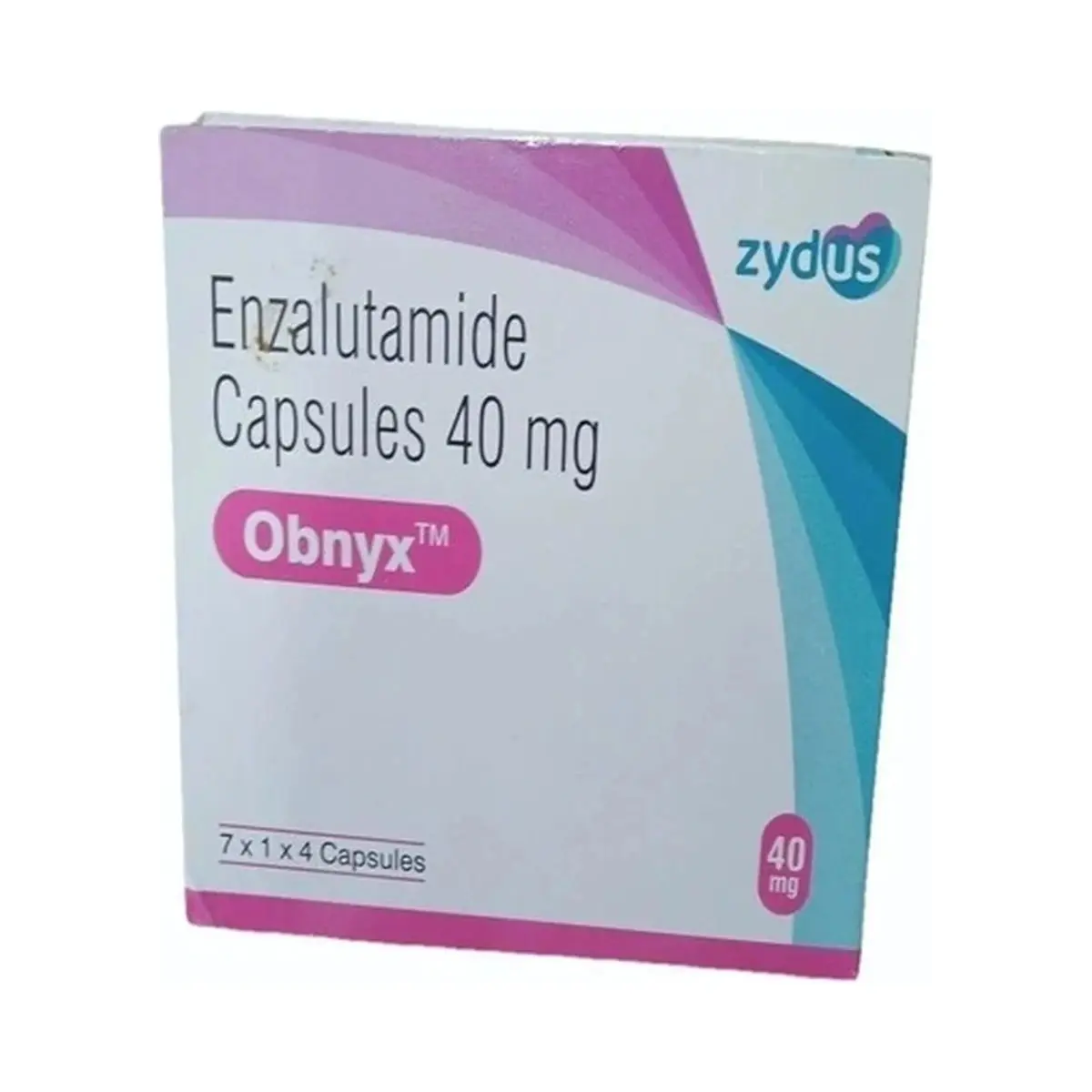
Obnyx (Enzalutamide) 40 mg
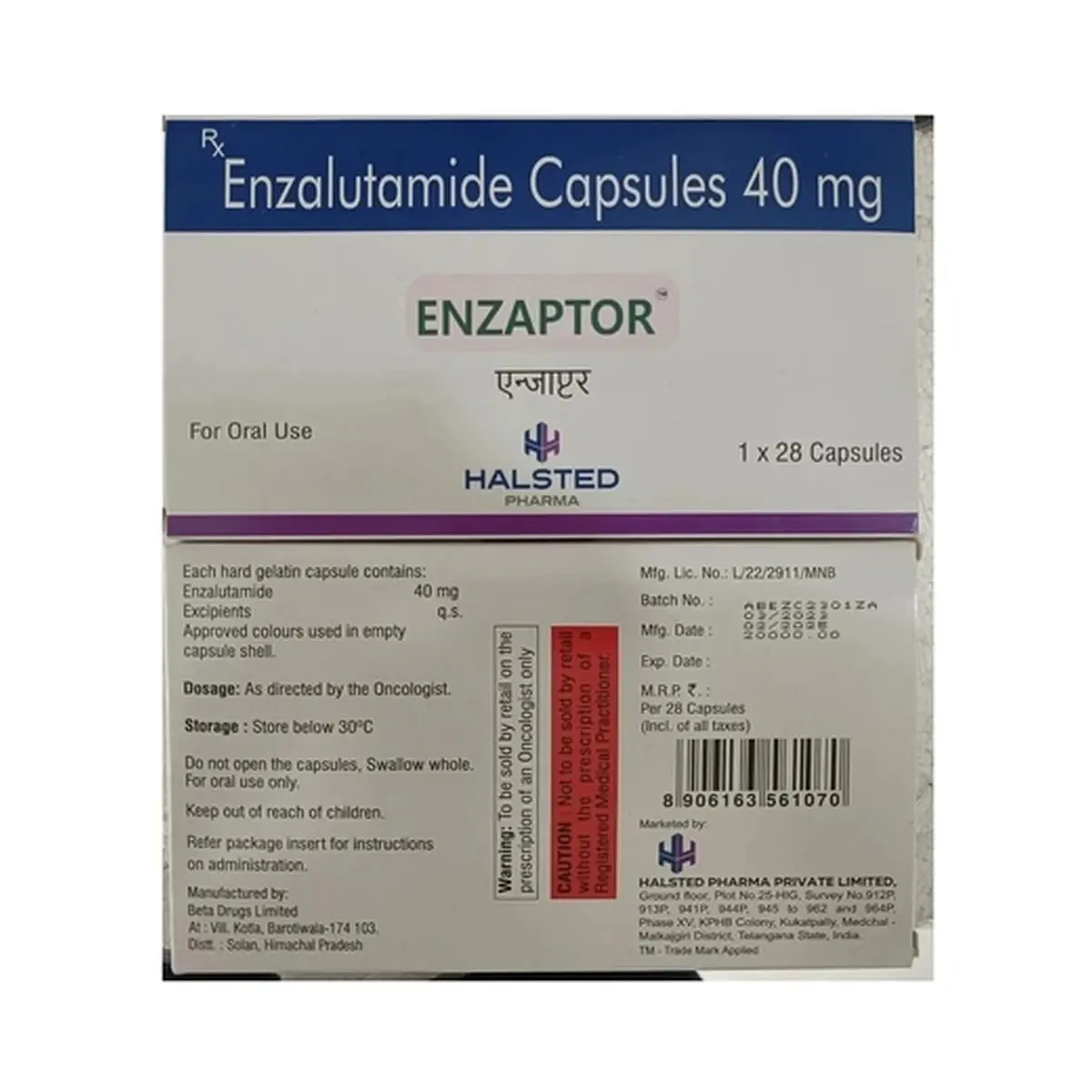
Obnyx 40 mg contains enzalutamide, an oral anti-androgen medicine used in oncology for certain forms of prostate cancer. Regulatory sources describe enzalutamide as an androgen receptor inhibitor that helps slow the growth of prostate cancer cells by reducing androgen-driven signalling.
Active Ingredient and Medicine Class
The verified active ingredient is enzalutamide. It belongs to the class of androgen receptor inhibitors and is commonly described as a nonsteroidal anti-androgen used in prostate cancer treatment. The capsule strength of 40 mg identifies the presentation, but it does not indicate an individual treatment dose.
Established Medical Uses
Official prescribing information for enzalutamide states that it is indicated for the treatment of patients with castration-resistant prostate cancer, metastatic castration-sensitive prostate cancer, and non-metastatic castration-sensitive prostate cancer with biochemical recurrence at high risk for metastasis. These uses reflect established regulatory approvals and are limited to prostate cancer settings.
How It Works
Enzalutamide targets the androgen receptor, a key signalling pathway that many prostate cancers depend on for growth. It blocks androgen receptor activity, reduces receptor movement into the cell nucleus, and limits the transcription of genes that support tumour survival and proliferation. In practical terms, it weakens the cancer’s response to testosterone-related stimulation.
Important Safety Information
Enzalutamide has important safety considerations. Official labeling reports no formal contraindications, but it carries warnings for seizure, posterior reversible encephalopathy syndrome, hypersensitivity reactions, ischemic heart disease, falls and fractures, and dysphagia or choking related to product size. Caution is also warranted in people with a history of seizure, brain injury, stroke, brain tumours, cardiovascular disease, hypertension, or dyslipidaemia.
Drug interactions are clinically significant. Enzalutamide is a strong inducer of CYP3A4 and a moderate inducer of CYP2C9 and CYP2C19, which may reduce exposure to many medicines metabolised by these pathways. The label specifically notes decreased exposure to warfarin and omeprazole, and warns that some narrow-therapeutic-index drugs should be avoided or managed carefully. Digoxin concentrations and even laboratory digoxin assays may be affected.
Enzalutamide can also cause fetal harm if exposure occurs during pregnancy, so reproductive safety precautions are described in official labeling.
Possible Side Effects
Commonly reported adverse effects include fatigue, hot flushes, headache, dizziness, hypertension, diarrhoea, and musculoskeletal pain. Important serious reactions include seizures, cardiovascular events, falls, fractures, and severe hypersensitivity reactions. Some patients may also experience cognitive or balance-related problems, which can contribute to fall risk.
Scientific Evidence
Peer-reviewed reviews and clinical summaries consistently describe enzalutamide as an effective androgen receptor pathway inhibitor for advanced prostate cancer. Published human evidence supports benefits in metastatic castration-resistant disease and in other approved prostate cancer settings, with improvements in disease control and survival outcomes reported across major trials. At the same time, the literature also emphasises the need to monitor for fatigue, cardiovascular risk, seizure risk, and drug interactions.
Medical Information Notice
This page is an educational summary based on sources available at the time of review. It does not replace the official patient leaflet, the full prescribing information, or individual assessment by a qualified healthcare professional.
Medical Sources
- U.S. Food and Drug Administration — XTANDI (enzalutamide) Prescribing Information
- DailyMed — XTANDI (enzalutamide) capsule and tablet label
- European Medicines Agency — Enzalutamide Viatris EPAR
- Ali R Golshayan, Emmanuel S Antonarakis. Enzalutamide: an evidence-based review of its use in the treatment of prostate cancer. Therapeutics and Clinical Risk Management, 2013. View scientific article
- Enzalutamide review article. Enzalutamide, an oral androgen receptor inhibitor for treatment of castration-resistant prostate cancer. PubMed-indexed review, 2019. View scientific article