
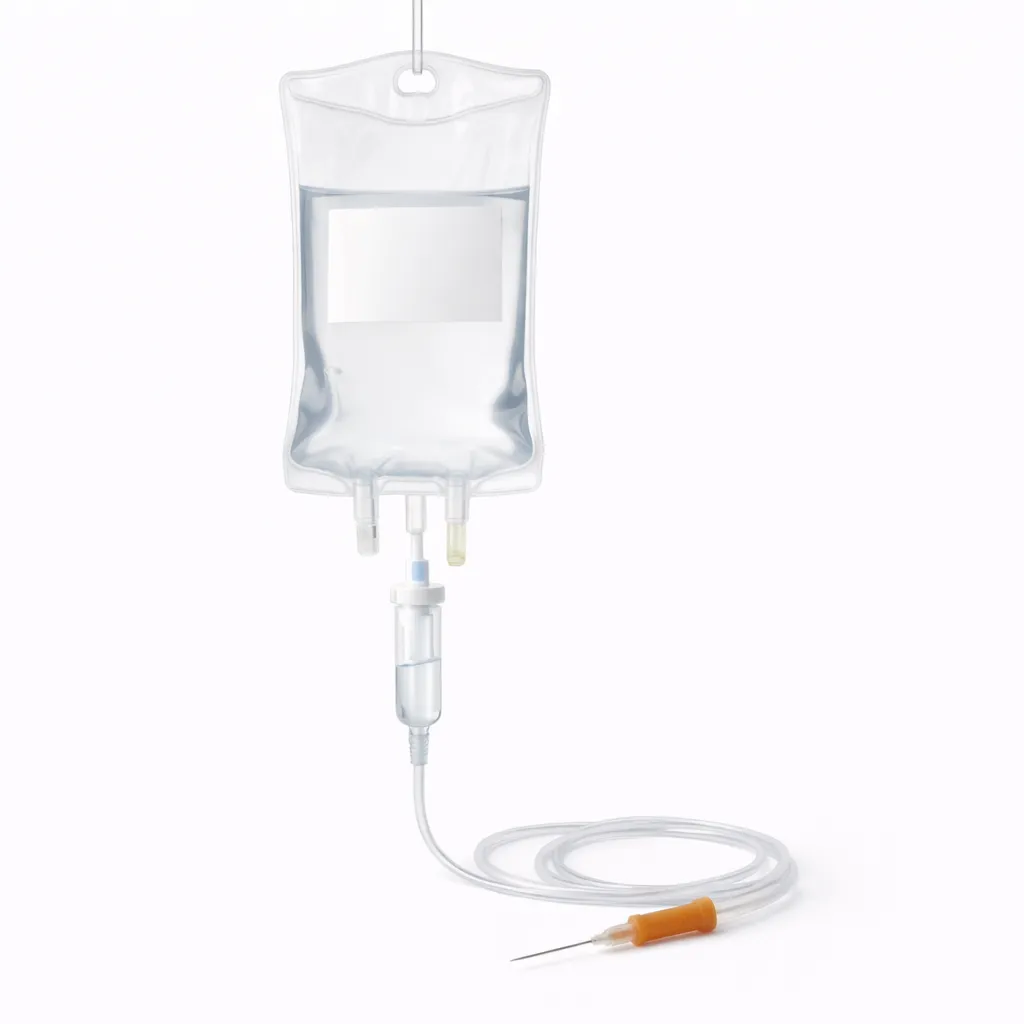
Description
OFLOX INFUSION 2 MG 100ML
Indications
Oflox Infusion 2 mg 100ml is primarily indicated for the treatment of various bacterial infections. It is particularly effective against infections caused by gram-negative and some gram-positive bacteria. Common indications include respiratory tract infections, urinary tract infections, skin and soft tissue infections, and intra-abdominal infections. It may also be used for the treatment of certain types of bacterial conjunctivitis and otitis media. Oflox is often prescribed when other antibiotics are ineffective or when the patient is unable to take oral medications.
Mechanism of Action
Oflox is a fluoroquinolone antibiotic that works by inhibiting bacterial DNA gyrase and topoisomerase IV, enzymes critical for bacterial DNA replication, transcription, and repair. By interfering with these enzymes, Oflox disrupts the replication process of bacterial DNA, leading to cell death. This mechanism makes it effective against a wide range of aerobic gram-negative and some gram-positive bacteria, providing a broad spectrum of antibacterial activity.
Pharmacological Properties
Oflox exhibits good oral bioavailability, and when administered intravenously, it achieves peak plasma concentrations rapidly. The drug is widely distributed throughout body tissues and fluids, including the lungs, liver, kidneys, and prostate. Oflox has a half-life of approximately 4 to 7 hours, allowing for twice-daily dosing in most cases. The drug is primarily excreted unchanged in the urine, making it effective for treating urinary tract infections. Its pharmacokinetics can be influenced by factors such as age, renal function, and the presence of other medical conditions.
Contraindications
Oflox Infusion is contraindicated in patients with a known hypersensitivity to ofloxacin or other fluoroquinolones. It should not be used in individuals with a history of tendon disorders related to fluoroquinolone use, as it may increase the risk of tendon rupture. Additionally, caution is advised in patients with a history of seizures or central nervous system disorders, as fluoroquinolones can lower the seizure threshold. Pregnant and breastfeeding women should avoid this medication unless the potential benefits outweigh the risks.
Side Effects
Common side effects associated with Oflox Infusion include gastrointestinal disturbances such as nausea, vomiting, and diarrhea. Other potential side effects may include headache, dizziness, and insomnia. More serious adverse reactions can occur, including tendonitis, tendon rupture, and peripheral neuropathy. Patients may also experience hypersensitivity reactions, which can manifest as rash, itching, or anaphylaxis in severe cases. It is essential for patients to report any unusual symptoms to their healthcare provider promptly.
Dosage and Administration
The recommended dosage of Oflox Infusion varies depending on the type and severity of the infection being treated. For most infections, the typical adult dose is 200 to 400 mg administered intravenously every 12 hours. The duration of therapy usually ranges from 5 to 14 days, depending on the clinical response and the specific infection. In patients with renal impairment, dosage adjustments may be necessary to prevent accumulation of the drug. It is crucial to follow the prescribing physician’s guidance regarding dosage and duration of treatment.
Interactions
Oflox may interact with several medications, potentially altering their effectiveness or increasing the risk of adverse effects. Concurrent use of nonsteroidal anti-inflammatory drugs (NSAIDs) can increase the risk of seizures. Antacids, sucralfate, and other agents containing magnesium or aluminum can reduce the absorption of Oflox, leading to decreased efficacy. Additionally, caution should be exercised when using Oflox with anticoagulants, as it may enhance their effects, increasing the risk of bleeding. A thorough medication review is essential to identify potential interactions.
Precautions
Patients receiving Oflox Infusion should be monitored for signs of tendon damage, especially those over the age of 60 or those taking corticosteroids. It is also important to assess renal function prior to and during treatment, as impaired renal function can lead to increased drug levels and toxicity. Patients with a history of myasthenia gravis should use Oflox with caution, as it may exacerbate muscle weakness. Adequate hydration is recommended to minimize the risk of crystalluria and renal toxicity. Patients should be advised to avoid excessive sun exposure, as Oflox can increase photosensitivity.
Clinical Studies
Clinical studies have demonstrated the efficacy of Oflox in treating various bacterial infections. In a randomized controlled trial, Oflox was shown to be as effective as other antibiotics in treating complicated urinary tract infections, with a similar safety profile. Another study highlighted its effectiveness in treating respiratory tract infections, showing significant improvement in symptoms and microbiological eradication rates. These studies support the use of Oflox as a valuable option for managing bacterial infections, particularly in cases where other treatments may not be suitable.
Conclusion
Oflox Infusion 2 mg 100ml is a versatile fluoroquinolone antibiotic effective in treating a range of bacterial infections. Its mechanism of action, pharmacological properties, and broad spectrum of activity make it a critical tool in the management of infections, particularly in hospitalized patients or those unable to take oral medications. However, like all medications, it carries risks of side effects and interactions, necessitating careful patient selection and monitoring. Healthcare providers must weigh the benefits against the potential risks when prescribing Oflox and ensure that patients are adequately informed about their treatment.
Important
It is essential to use Oflox Infusion responsibly and under the guidance of a healthcare professional. Misuse of antibiotics can lead to resistance, making infections harder to treat. Always follow the prescribed dosage and duration of therapy, and report any side effects or concerns to your healthcare provider.

