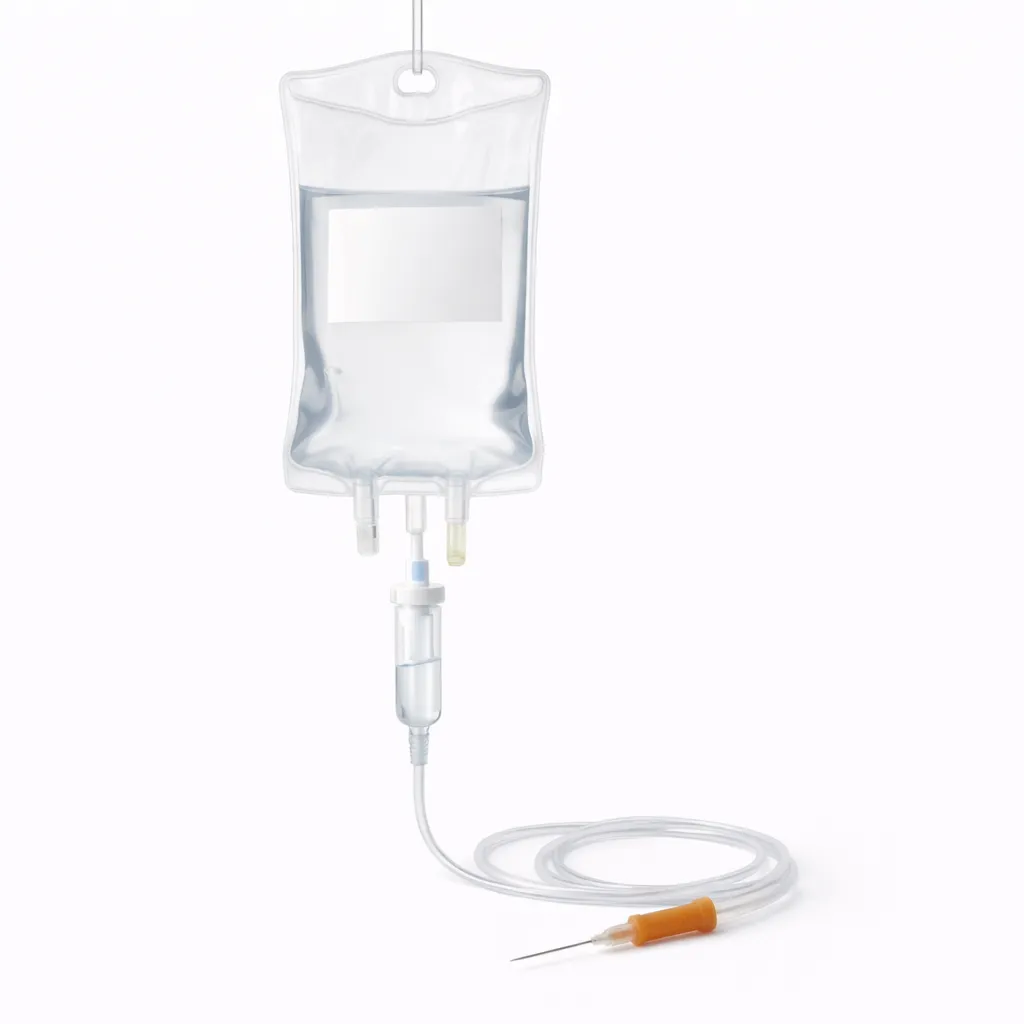
Description
ONDET 4 MG INJ 4ML
Indications
ONDET 4 MG INJ 4ML is primarily indicated for the prevention and treatment of nausea and vomiting associated with chemotherapy, radiotherapy, and surgery. It is especially useful in patients undergoing highly emetogenic chemotherapy regimens, where the risk of severe nausea and vomiting is significantly increased. Additionally, ONDET may be used in patients experiencing postoperative nausea and vomiting (PONV), providing effective relief and improving overall patient comfort.
Mechanism of Action
ONDET contains Ondansetron, a selective 5-HT3 receptor antagonist. The mechanism of action involves the blockade of serotonin (5-HT) at the 5-HT3 receptors located in the central nervous system, particularly in the area postrema of the brain and the gastrointestinal tract. By inhibiting the action of serotonin, ONDET effectively reduces the stimulation of the vomiting center, thus preventing the sensation of nausea and the act of vomiting. This action is particularly beneficial in patients receiving treatments that increase serotonin release, such as chemotherapy.
Pharmacological Properties
ONDET is characterized by its rapid onset of action, typically within 30 minutes of intravenous administration. The drug has a half-life of approximately 3 to 6 hours, allowing for effective control of nausea and vomiting during and after chemotherapy or surgical procedures. Ondansetron is primarily metabolized in the liver via the cytochrome P450 system, and its elimination occurs mainly through urine. The pharmacokinetics of ONDET may vary based on individual patient factors, including age, hepatic function, and concomitant medications.
Contraindications
ONDET is contraindicated in patients with a known hypersensitivity to Ondansetron or any of the excipients in the formulation. It should also be avoided in patients with congenital long QT syndrome or those with a history of cardiac arrhythmias. Caution should be exercised when administering ONDET to patients with electrolyte imbalances, particularly hypokalemia and hypomagnesemia, as these conditions may exacerbate the risk of arrhythmias.
Side Effects
Common side effects associated with ONDET include headache, dizziness, constipation, and fatigue. These effects are generally mild to moderate and may resolve with continued use or dose adjustment. Serious side effects, although rare, include anaphylaxis, severe allergic reactions, and cardiac arrhythmias. Patients should be monitored for any signs of these adverse effects, particularly those with pre-existing cardiac conditions. In clinical practice, the benefits of using ONDET often outweigh the risks of side effects, especially in high-risk populations.
Dosage and Administration
The recommended dosage of ONDET for adults is typically 4 mg administered intravenously 30 minutes before the start of chemotherapy or surgery. This may be followed by additional doses based on the duration of the emetogenic treatment. For pediatric patients, the dosage is usually determined based on body weight, with careful consideration given to the specific clinical scenario. It is essential to adhere to the prescribed dosing schedule and to consult a healthcare professional for any adjustments or concerns regarding administration.
Interactions
ONDET may interact with other medications, particularly those that are metabolized by the liver. Drugs that affect the cytochrome P450 system may alter the effectiveness of Ondansetron or increase the risk of side effects. Notably, concurrent use with apomorphine is contraindicated due to the risk of profound hypotension and loss of consciousness. Patients should inform their healthcare providers of all medications they are taking, including over-the-counter drugs and herbal supplements, to avoid potential interactions.
Precautions
Before initiating treatment with ONDET, healthcare providers should conduct a thorough assessment of the patient’s medical history, including any existing cardiac conditions or electrolyte imbalances. Special caution is warranted in elderly patients, as they may be more susceptible to the side effects of Ondansetron. Additionally, ONDET should be used with care in patients with liver impairment, as dosage adjustments may be necessary. Regular monitoring of cardiac function is recommended for patients receiving high doses or those with pre-existing heart conditions.
Clinical Studies
Numerous clinical studies have demonstrated the efficacy of ONDET in preventing chemotherapy-induced nausea and vomiting (CINV). A pivotal trial published in the Journal of Clinical Oncology showed that patients receiving ondansetron experienced significantly lower rates of acute CINV compared to those receiving placebo. Another study highlighted the effectiveness of ONDET in reducing postoperative nausea and vomiting, resulting in shorter recovery times and improved patient satisfaction. These studies underscore the importance of ONDET in managing nausea and vomiting in various clinical settings.
Conclusion
ONDET 4 MG INJ 4ML is a valuable therapeutic option for the prevention and treatment of nausea and vomiting associated with chemotherapy, radiotherapy, and surgery. Its mechanism of action as a 5-HT3 receptor antagonist provides effective relief for patients, enhancing their overall treatment experience. While ONDET is generally well-tolerated, healthcare providers should remain vigilant regarding potential side effects and interactions. With appropriate use and monitoring, ONDET can significantly improve patient outcomes in managing nausea and vomiting.
Important
It is essential to use ONDET responsibly and under the guidance of a qualified healthcare professional. Patients should follow prescribed dosages and report any adverse effects promptly. This medication should only be used for its intended purposes and in accordance with medical advice.