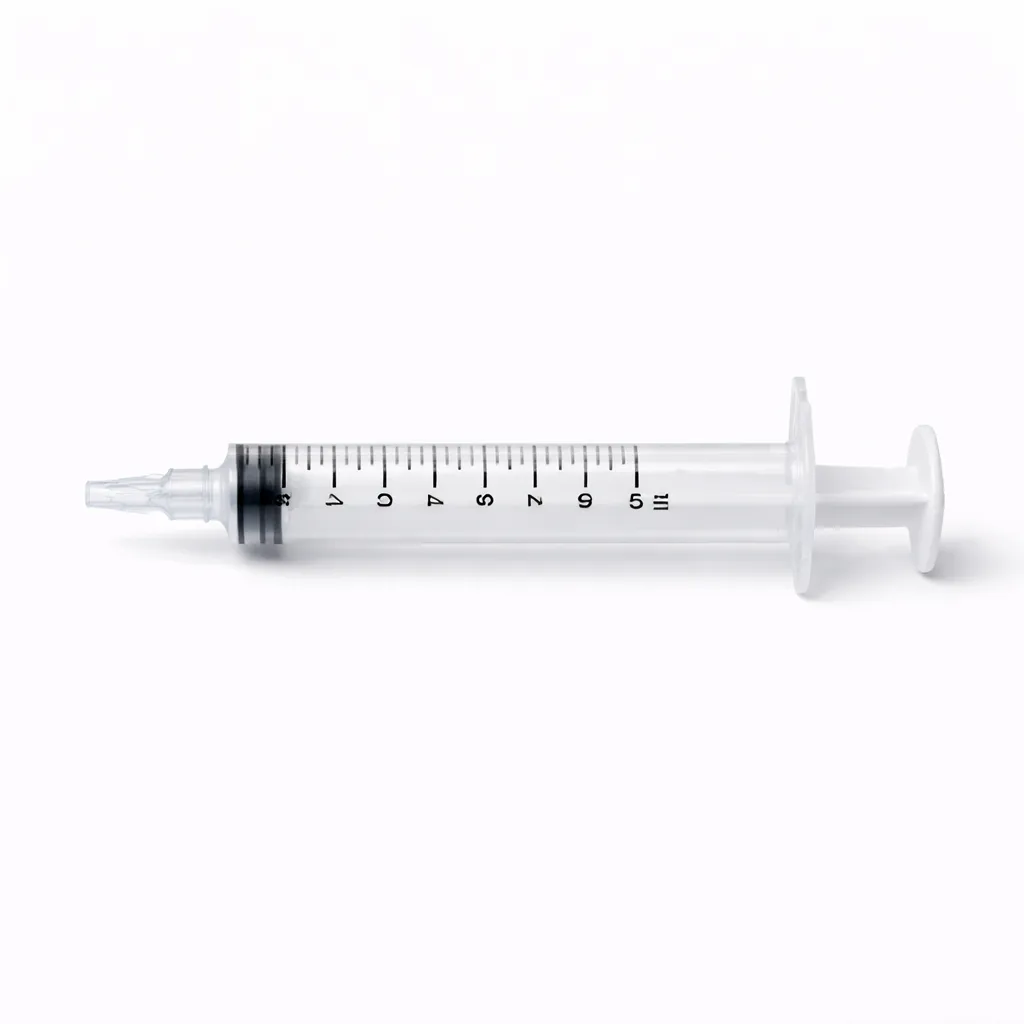
Description
ORNIDA I.V 100ML
Indications
ORNIDA I.V 100ML is primarily indicated for the treatment of various conditions associated with sodium and fluid imbalance, including dehydration, electrolyte disturbances, and certain metabolic disorders. It is often utilized in clinical settings for patients who require intravenous fluid replacement, particularly in cases of severe vomiting, diarrhea, or other conditions that lead to significant fluid loss. Additionally, ORNIDA may be used as part of the management of patients undergoing surgery or those in critical care situations where fluid balance is crucial.
Mechanism of Action
ORNIDA I.V contains a balanced electrolyte solution designed to restore and maintain fluid and electrolyte homeostasis in the body. The primary components of ORNIDA include sodium, potassium, and chloride ions, which play essential roles in various physiological processes. When administered intravenously, these electrolytes help to correct imbalances in body fluids, promote cellular function, and support metabolic activities. The isotonic nature of ORNIDA ensures that it can be safely infused without causing significant shifts in osmotic pressure, thereby minimizing the risk of complications such as cellular edema or dehydration.
Pharmacological Properties
ORNIDA I.V exhibits several pharmacological properties that make it effective for fluid and electrolyte management. The solution is isotonic, which means it has an osmolarity similar to that of human plasma, allowing for safe administration without causing hemolysis or significant changes in blood volume. The pharmacokinetics of ORNIDA involve rapid distribution into the extracellular fluid compartment, with a half-life that is influenced by the patient’s hydration status and renal function. The electrolytes in ORNIDA are readily available for physiological processes, contributing to the maintenance of acid-base balance and normal cellular functions.
Contraindications
ORNIDA I.V should not be administered to patients with a known hypersensitivity to any of its components. Additionally, it is contraindicated in individuals with severe renal impairment, where the kidneys are unable to excrete excess electrolytes effectively. Patients with conditions such as hyperkalemia or hypernatremia should also avoid this treatment, as the introduction of additional electrolytes could exacerbate these conditions. Furthermore, caution should be exercised in patients with cardiac or pulmonary edema, as fluid overload may lead to serious complications.
Side Effects
While ORNIDA I.V is generally well-tolerated, some patients may experience side effects. Common adverse reactions include local irritation at the injection site, which may manifest as redness, swelling, or pain. Systemic side effects can occur if the solution is administered too rapidly or in excessive volumes, leading to fluid overload, electrolyte imbalances, or cardiovascular complications. Rarely, allergic reactions may occur, presenting as rash, itching, or anaphylaxis. Regular monitoring of electrolyte levels and fluid balance is recommended to mitigate these risks.
Dosage and Administration
The dosage of ORNIDA I.V is individualized based on the patient’s clinical condition, age, weight, and electrolyte status. In general, the solution may be administered as a continuous infusion or as a bolus, depending on the severity of the fluid deficit. For adults, typical infusion rates range from 50 to 150 mL per hour, while pediatric dosing should be carefully calculated based on body weight. It is essential to monitor the patient closely during administration to adjust the rate and volume as needed, ensuring optimal therapeutic outcomes while minimizing potential complications.
Interactions
ORNIDA I.V may interact with other medications, particularly those that affect electrolyte levels or renal function. For instance, concurrent use with potassium-sparing diuretics can lead to hyperkalemia, while the administration of corticosteroids may exacerbate fluid retention. It is crucial for healthcare providers to review the patient’s medication history and monitor for potential interactions. Additionally, the use of ORNIDA should be approached with caution in patients receiving other intravenous solutions, as compatibility must be assessed to avoid adverse reactions.
Precautions
Before administering ORNIDA I.V, healthcare professionals should conduct a thorough assessment of the patient’s medical history, including any pre-existing conditions that may influence fluid and electrolyte balance. Special precautions are warranted in patients with heart failure, renal impairment, or those at risk of developing fluid overload. Regular monitoring of vital signs, electrolyte levels, and fluid status is essential during treatment to ensure patient safety and to make necessary adjustments to therapy. Additionally, the infusion site should be monitored for signs of infiltration or phlebitis.
Clinical Studies
Clinical studies evaluating the efficacy of ORNIDA I.V have demonstrated its effectiveness in restoring fluid and electrolyte balance in various patient populations. Research indicates that ORNIDA can significantly improve hydration status and correct electrolyte imbalances in patients with dehydration due to gastrointestinal losses. Studies have also shown that the use of ORNIDA in perioperative settings can enhance recovery by maintaining optimal fluid balance and reducing the incidence of postoperative complications. Further investigations continue to explore the long-term outcomes associated with ORNIDA therapy in diverse clinical scenarios.
Conclusion
ORNIDA I.V 100ML is a valuable therapeutic option for managing fluid and electrolyte imbalances in a variety of clinical settings. Its balanced electrolyte composition and isotonic nature make it suitable for intravenous administration, providing essential support to patients experiencing dehydration or metabolic disturbances. While generally safe, careful monitoring and consideration of contraindications and potential interactions are crucial to ensure optimal patient outcomes. As clinical evidence continues to support its use, ORNIDA remains an important tool in the management of fluid and electrolyte therapy.
Important
It is essential to use ORNIDA I.V responsibly and under the guidance of a qualified healthcare professional. Proper monitoring and assessment of the patient’s condition are critical to ensure safe and effective treatment.