Description
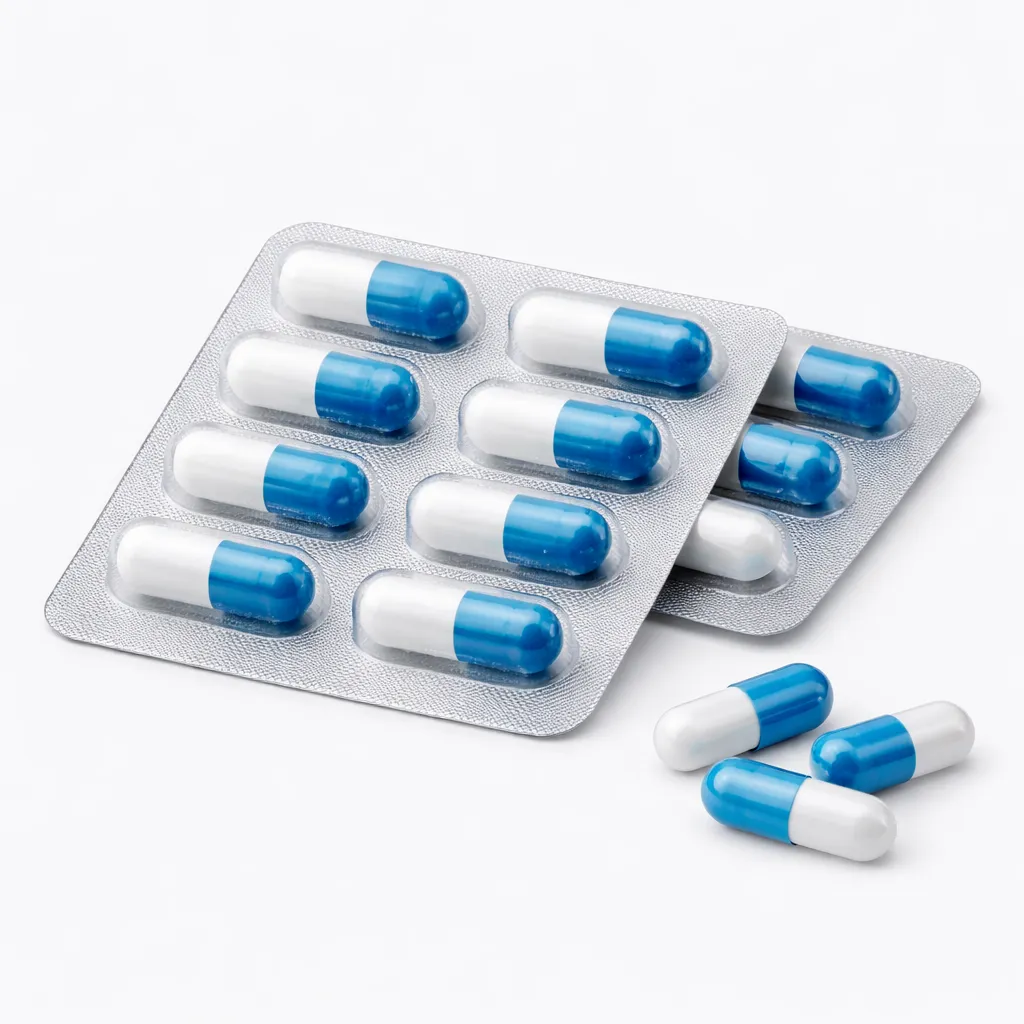
PAN 20 MG (1X15)
Indications
PAN 20 MG is primarily indicated for the treatment of various gastrointestinal disorders, particularly those associated with excessive stomach acid production. It is commonly prescribed for conditions such as gastroesophageal reflux disease (GERD), peptic ulcers, and Zollinger-Ellison syndrome. By reducing stomach acid secretion, PAN 20 MG helps alleviate symptoms such as heartburn, regurgitation, and discomfort associated with these conditions.
Mechanism of Action
The active ingredient in PAN 20 MG is Pantoprazole, a proton pump inhibitor (PPI). Pantoprazole works by irreversibly inhibiting the hydrogen/potassium ATPase enzyme system (the proton pump) located in the gastric parietal cells. This inhibition leads to a significant reduction in gastric acid secretion, both during the day and night. By decreasing acid production, Pantoprazole effectively promotes healing of the esophagus and stomach lining, which can be damaged by excessive acid exposure.
Pharmacological Properties
Pantoprazole is characterized by its rapid absorption and bioavailability. After oral administration, it reaches peak plasma concentrations within 2 to 4 hours. The drug is extensively metabolized in the liver, primarily through cytochrome P450 enzymes, and has a half-life of approximately 1 hour. However, its effects on acid secretion can last up to 24 hours due to the irreversible nature of its action on the proton pump. The drug is excreted mainly through the urine, with a small fraction eliminated in the feces.
Contraindications
PAN 20 MG is contraindicated in patients with known hypersensitivity to Pantoprazole or any of the excipients in the formulation. It should also be avoided in individuals who are taking medications that may interact adversely with PPIs, particularly those that require an acidic environment for optimal absorption. Caution is advised in patients with liver impairment, as dose adjustments may be necessary.
Side Effects
Common side effects associated with the use of PAN 20 MG include headache, diarrhea, nausea, vomiting, and abdominal pain. These side effects are generally mild and transient. However, long-term use of PPIs has been associated with more serious adverse effects such as an increased risk of Clostridium difficile infection in the colon, bone fractures, kidney disease, and vitamin B12 deficiency. Patients should be monitored for these potential complications, especially with prolonged therapy.
Dosage and Administration
The recommended dosage of PAN 20 MG for adults is typically one tablet taken orally once daily, preferably before a meal. For the treatment of GERD, the usual duration of therapy is 4 to 8 weeks, while peptic ulcers may require a longer treatment duration based on clinical response. For patients with severe liver impairment, a dose adjustment may be necessary, and it is advisable to consult a healthcare professional for personalized recommendations. It is important to swallow the tablet whole and not to crush or chew it, as this may affect the drug’s efficacy.
Interactions
PAN 20 MG may interact with several medications, which can alter their effectiveness or increase the risk of adverse effects. Notably, the absorption of drugs that require an acidic environment, such as certain antifungals (e.g., ketoconazole) and antiretrovirals (e.g., atazanavir), may be reduced when taken concomitantly with Pantoprazole. Additionally, Pantoprazole may affect the metabolism of drugs metabolized by the liver enzymes CYP2C19 and CYP3A4, leading to altered plasma levels of these medications. Patients should inform their healthcare provider of all medications they are taking to avoid potential interactions.
Precautions
Before starting treatment with PAN 20 MG, patients should be evaluated for potential underlying conditions that may present with similar symptoms, such as gastric malignancy. Long-term use of PPIs should be approached with caution, and the need for continued therapy should be regularly reassessed. Patients with a history of liver disease, osteoporosis, or those at risk for Clostridium difficile infection should be monitored closely. It is also advisable to avoid abrupt discontinuation of therapy after long-term use, as rebound acid hypersecretion may occur.
Clinical Studies
Numerous clinical studies have demonstrated the efficacy and safety of Pantoprazole in the management of acid-related disorders. A meta-analysis published in the Journal of Gastroenterology and Hepatology indicated that Pantoprazole effectively reduces symptoms and promotes healing in patients with GERD and peptic ulcers. Another study published in the American Journal of Gastroenterology highlighted the long-term safety profile of Pantoprazole, noting that while the risk of adverse effects increases with prolonged use, the benefits in symptom management and healing often outweigh these risks in appropriately selected patients. These studies underscore the importance of individualized treatment plans that consider both the benefits and potential risks of therapy.
Conclusion
PAN 20 MG is a valuable therapeutic option for patients suffering from acid-related gastrointestinal disorders. Its mechanism of action as a proton pump inhibitor provides effective relief from symptoms and promotes healing of the gastrointestinal lining. While generally well-tolerated, healthcare providers should remain vigilant regarding potential side effects and drug interactions. Regular monitoring and reassessment of the need for continued therapy are essential to ensure optimal patient outcomes. As with any medication, patient education on the proper use and potential risks of PAN 20 MG is crucial for safe and effective treatment.
Important
It is essential to use PAN 20 MG responsibly and under the guidance of a qualified healthcare professional. Patients should adhere to prescribed dosages and report any unusual symptoms or side effects to their doctor. Regular follow-up appointments are recommended to monitor the effectiveness of the treatment and to make any necessary adjustments.