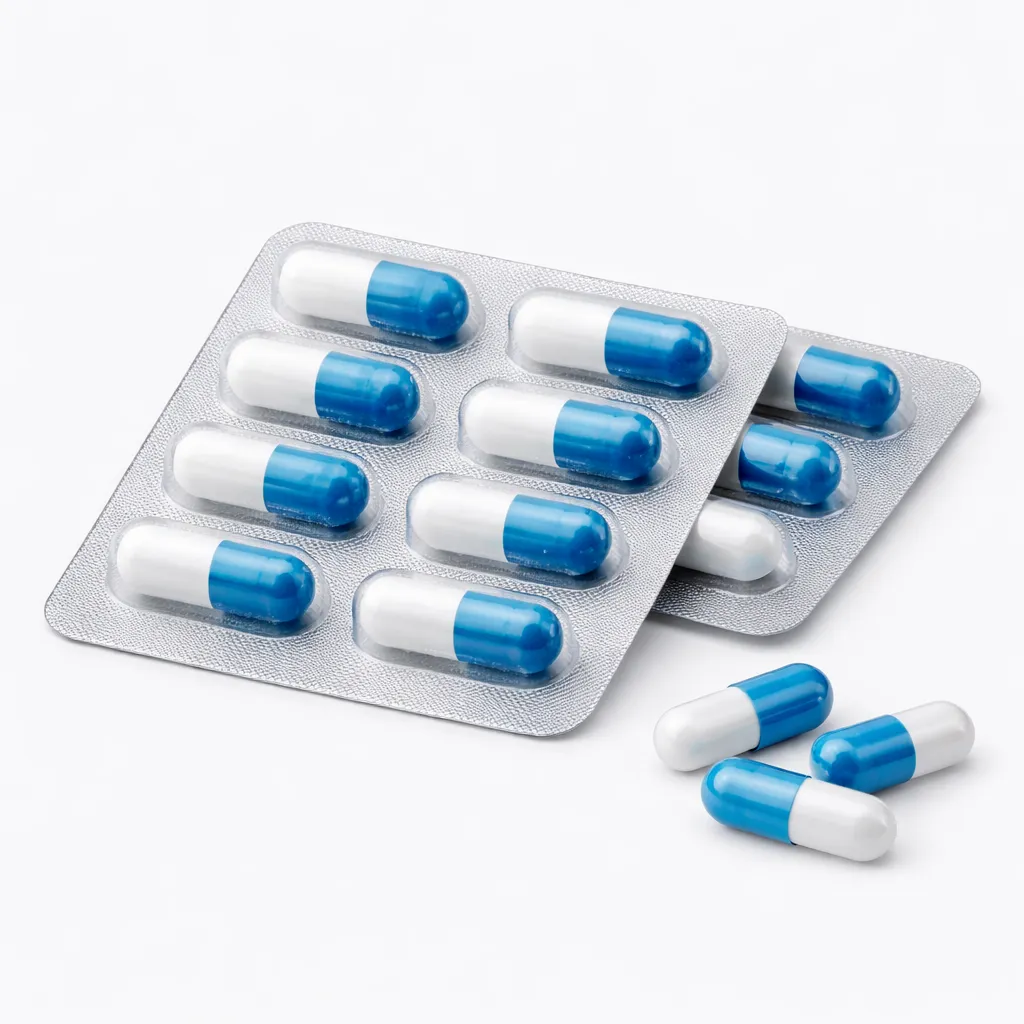
Description
PANTOCID DSR
Indications
PANTOCID DSR is primarily indicated for the treatment of gastroesophageal reflux disease (GERD), peptic ulcers, and other conditions associated with excessive gastric acid secretion. It is commonly prescribed for patients experiencing symptoms such as heartburn, acid regurgitation, and dyspepsia. This medication is particularly useful for individuals who require long-term management of acid-related disorders, as it helps in healing and preventing the recurrence of ulcers and esophagitis.
Mechanism of Action
PANTOCID DSR contains two active ingredients: Pantoprazole and Domperidone. Pantoprazole is a proton pump inhibitor (PPI) that works by irreversibly inhibiting the H+/K+ ATPase enzyme system at the gastric parietal cells. This inhibition leads to a significant reduction in gastric acid secretion, both during the day and night. Domperidone, on the other hand, is a dopamine antagonist that enhances gastrointestinal motility by blocking dopamine receptors in the gut. This dual action not only reduces acid secretion but also alleviates symptoms of nausea and vomiting, making PANTOCID DSR effective for patients with gastrointestinal discomfort.
Pharmacological Properties
PANTOCID DSR exhibits a rapid onset of action due to the fast absorption of its components. Pantoprazole reaches peak plasma concentrations within approximately 2 to 3 hours after oral administration. The bioavailability of Pantoprazole is around 77% when taken on an empty stomach, while Domperidone has a bioavailability of about 15% due to extensive first-pass metabolism. The half-life of Pantoprazole is approximately 1 hour, but its effects on acid secretion last much longer due to the irreversible nature of its action on the proton pump. Domperidone has a half-life of about 7 to 9 hours, allowing for sustained relief from gastrointestinal symptoms.
Contraindications
PANTOCID DSR is contraindicated in patients with known hypersensitivity to Pantoprazole, Domperidone, or any other component of the formulation. It should not be used in individuals with a history of prolactinoma or those who are taking drugs that prolong the QT interval. Additionally, patients with severe hepatic impairment or those with moderate to severe renal impairment should avoid this medication unless specifically directed by a healthcare professional.
Side Effects
While PANTOCID DSR is generally well-tolerated, some patients may experience side effects. Common side effects include headache, dizziness, diarrhea, constipation, and abdominal pain. Less frequently, patients may report dry mouth, fatigue, and skin rashes. Serious side effects are rare but can include severe allergic reactions, liver dysfunction, and cardiac arrhythmias due to Domperidone’s potential to prolong the QT interval. Patients are advised to seek medical attention if they experience any unusual or severe symptoms while taking this medication.
Dosage and Administration
The recommended dosage of PANTOCID DSR for adults is typically one capsule taken once daily, preferably before a meal. The duration of treatment may vary depending on the specific condition being treated and the patient’s response to the medication. For GERD, treatment may last for 4 to 8 weeks, while peptic ulcers may require longer therapy. It is essential for patients to follow their healthcare provider’s instructions regarding dosage and duration to ensure optimal therapeutic outcomes.
Interactions
PANTOCID DSR may interact with other medications, which can alter its effectiveness or increase the risk of side effects. Co-administration with drugs that are metabolized by the cytochrome P450 system, particularly CYP3A4, may lead to increased plasma concentrations of those medications. Notable interactions include certain antibiotics, antifungals, and antiretrovirals. Additionally, the use of PANTOCID DSR with other medications that prolong the QT interval should be approached with caution. Patients should inform their healthcare provider of all medications they are taking to avoid potential interactions.
Precautions
Before starting PANTOCID DSR, patients should discuss their complete medical history with their healthcare provider, particularly if they have a history of liver disease, kidney disease, or heart conditions. Caution is also advised in elderly patients and those with electrolyte imbalances. Long-term use of PPIs like Pantoprazole has been associated with an increased risk of Clostridium difficile infection in the colon, bone fractures, and kidney disease. Regular monitoring and reassessment of the need for continued therapy are recommended.
Clinical Studies
Clinical studies have demonstrated the efficacy of PANTOCID DSR in treating acid-related disorders. In a randomized controlled trial, patients with GERD showed significant improvement in symptoms and quality of life after 8 weeks of treatment with Pantoprazole compared to placebo. Another study highlighted the effectiveness of Domperidone in enhancing gastric emptying and reducing nausea in patients receiving PPI therapy. These findings support the use of PANTOCID DSR as a comprehensive treatment option for managing both acid secretion and gastrointestinal motility issues.
Conclusion
PANTOCID DSR is a valuable therapeutic option for patients suffering from acid-related gastrointestinal disorders. Its dual-action formulation, combining the acid-suppressing effects of Pantoprazole with the motility-enhancing properties of Domperidone, provides a comprehensive approach to treatment. While generally safe and effective, it is essential for patients to use this medication under the guidance of a healthcare professional to minimize potential risks and ensure optimal outcomes.
Important
It is crucial to use PANTOCID DSR responsibly and only as directed by a healthcare professional. Self-medication or prolonged use without medical supervision can lead to adverse effects and complications. Always consult your doctor for personalized advice and treatment plans.