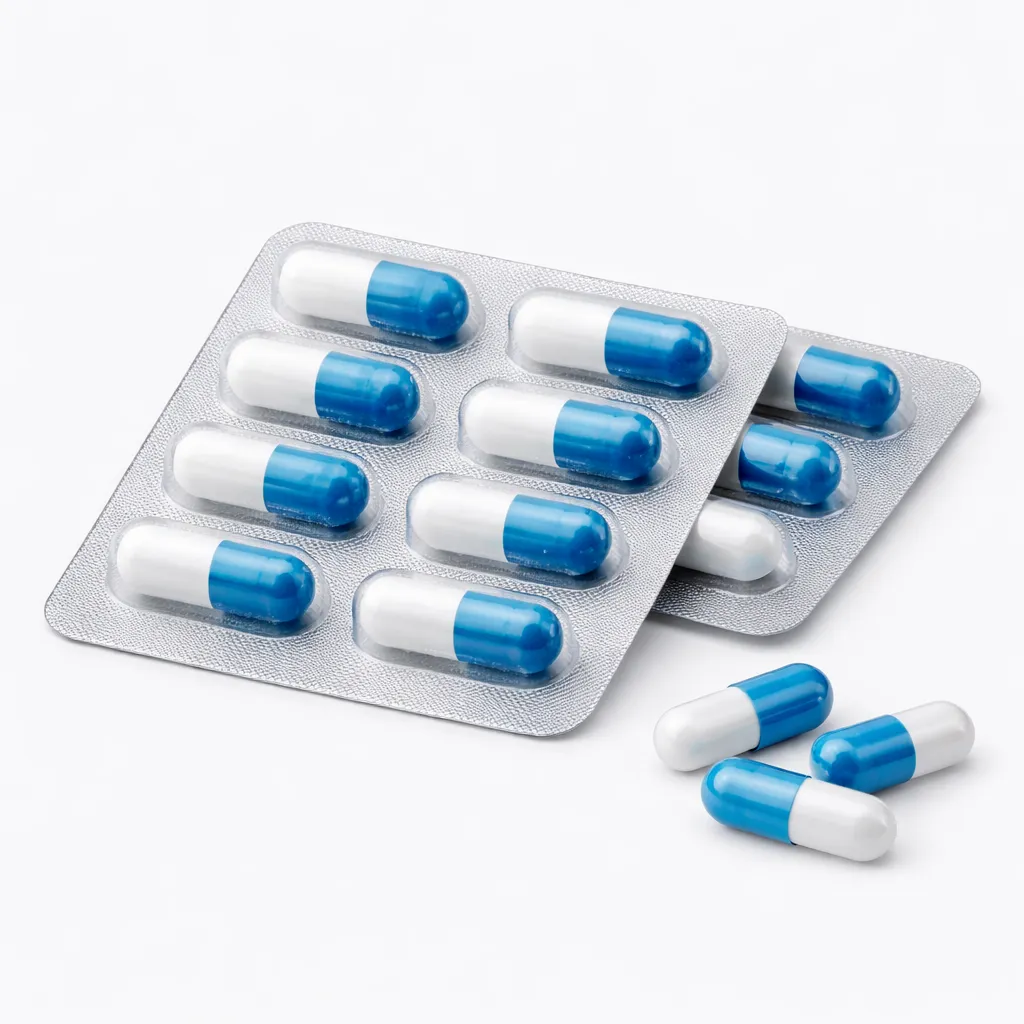
Description
PAZOM 40 MG
Indications
PAZOM 40 MG is primarily indicated for the treatment of various conditions related to the gastrointestinal tract, particularly gastroesophageal reflux disease (GERD) and peptic ulcers. It is effective in managing symptoms associated with excessive stomach acid production, such as heartburn, regurgitation, and discomfort. Additionally, PAZOM is utilized in the eradication of Helicobacter pylori in combination therapy, contributing to the healing of gastric and duodenal ulcers.
Mechanism of Action
The active ingredient in PAZOM 40 MG is a proton pump inhibitor (PPI), which works by inhibiting the proton pump in the gastric parietal cells. This mechanism effectively reduces the secretion of gastric acid, leading to decreased acidity in the stomach and duodenum. By blocking the final step of acid production, PAZOM provides relief from acid-related disorders and promotes healing of the gastrointestinal mucosa.
Pharmacological Properties
PAZOM 40 MG exhibits a high degree of potency in suppressing gastric acid secretion. It has a rapid onset of action, typically within one hour of administration, and its effects can last for up to 24 hours. The bioavailability of PAZOM is approximately 77%, and it is extensively metabolized in the liver. The elimination half-life is around 1.5 hours, but the duration of acid suppression extends beyond this due to its irreversible binding to the proton pump. The drug is primarily excreted in the urine, with a small fraction eliminated in the feces.
Contraindications
PAZOM 40 MG is contraindicated in patients with known hypersensitivity to the active substance or any of the excipients in the formulation. It should not be used in individuals with severe liver impairment or those who are concurrently taking certain medications that may interact adversely. Caution is advised in patients with a history of gastric malignancy, as the use of PPIs may mask symptoms of underlying conditions.
Side Effects
The use of PAZOM 40 MG may lead to a variety of side effects, though many patients tolerate the medication well. Common side effects include headache, dizziness, nausea, vomiting, diarrhea, and abdominal pain. Less frequently, patients may experience skin reactions, such as rash or pruritus. Serious adverse effects, though rare, can include an increased risk of Clostridium difficile infection in the colon, kidney disease, and bone fractures. Long-term use of PPIs has also been associated with vitamin B12 deficiency and magnesium deficiency.
Dosage and Administration
The standard recommended dosage of PAZOM 40 MG is one tablet taken once daily, preferably in the morning before meals. For patients with more severe conditions, such as erosive esophagitis due to GERD, the dosage may be increased to 80 MG per day, divided into two doses. It is essential to follow the prescribing physician’s instructions regarding dosage adjustments and duration of therapy, as prolonged use can lead to complications.
Interactions
PAZOM 40 MG may interact with several medications, which can affect its efficacy or increase the risk of adverse effects. Notably, it can reduce the absorption of drugs that require an acidic environment for optimal bioavailability, such as ketoconazole and atazanavir. Concurrent use with clopidogrel may diminish its antiplatelet effect, potentially increasing cardiovascular risks. It is crucial for patients to inform their healthcare providers about all medications they are taking to avoid potential interactions.
Precautions
Before initiating treatment with PAZOM 40 MG, healthcare providers should assess the patient’s medical history, particularly regarding liver function, renal impairment, and any history of gastrointestinal disorders. Patients should be monitored for signs of gastrointestinal bleeding, especially if they have a history of peptic ulcers. Additionally, long-term use should be periodically evaluated to determine the necessity of continued therapy, and patients should be advised about the potential risks associated with prolonged PPI use.
Clinical Studies
Clinical studies have demonstrated the efficacy of PAZOM 40 MG in treating conditions related to excessive gastric acid secretion. A randomized controlled trial published in a peer-reviewed journal showed that patients receiving PAZOM experienced significant symptom relief compared to those receiving a placebo. Another study indicated its effectiveness in promoting ulcer healing and preventing recurrence in patients with a history of peptic ulcers. These studies support the use of PAZOM as a first-line treatment option for acid-related disorders.
Conclusion
PAZOM 40 MG is a valuable medication for managing conditions associated with excessive gastric acid production. Its mechanism of action as a proton pump inhibitor provides effective symptom relief and promotes healing of the gastrointestinal tract. While generally well-tolerated, it is essential for patients to be aware of potential side effects and drug interactions. Regular monitoring and responsible use are crucial to maximize the benefits of PAZOM while minimizing risks.
Important
It is essential to use PAZOM 40 MG responsibly and only under the guidance of a qualified healthcare professional. Patients should adhere to prescribed dosages and report any unusual symptoms or side effects to their doctor promptly. Proper management of gastrointestinal conditions can significantly enhance quality of life and overall health.