
Description
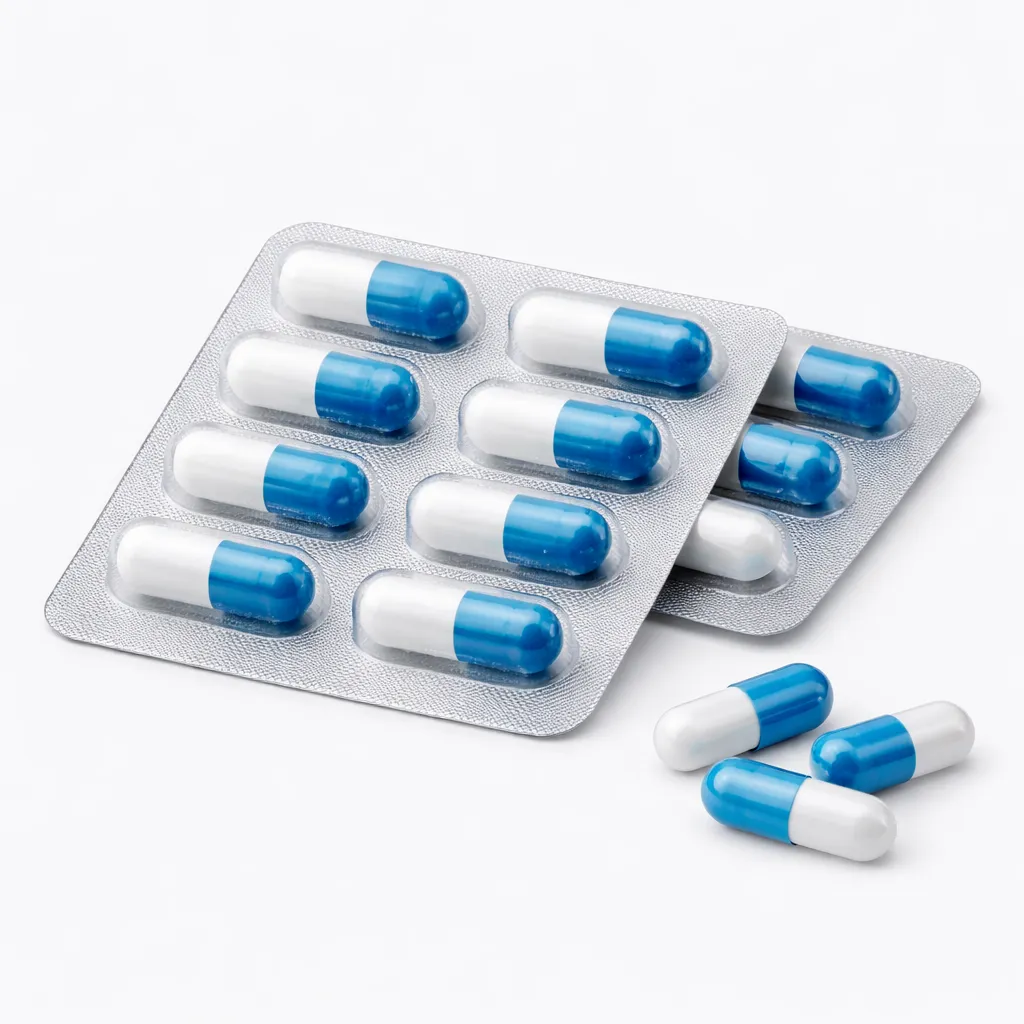
PRAX 10 MG
Indications
PRAX 10 MG is primarily indicated for the management of various thromboembolic disorders. It is commonly prescribed for the prevention of stroke and systemic embolism in patients with non-valvular atrial fibrillation. Additionally, PRAX may be utilized in the treatment and prevention of deep vein thrombosis (DVT) and pulmonary embolism (PE) following surgical procedures such as hip or knee replacement. The drug is also indicated for the treatment of DVT and PE in patients who have already been treated with a parenteral anticoagulant for at least five days.
Mechanism of Action
The active ingredient in PRAX 10 MG is a direct oral anticoagulant that selectively inhibits Factor Xa, an essential component in the coagulation cascade. By inhibiting Factor Xa, PRAX effectively reduces thrombin generation and subsequent fibrin formation, which is crucial in the development of blood clots. This mechanism allows for a reduction in the risk of thromboembolic events without the need for routine monitoring of coagulation parameters, which is often required with traditional anticoagulants.
Pharmacological Properties
PRAX 10 MG exhibits rapid absorption and peak plasma concentrations are typically reached within 1 to 2 hours post-administration. The bioavailability of PRAX is approximately 50%, and it is primarily metabolized by the liver through the cytochrome P450 system, particularly CYP3A4. The elimination half-life of PRAX ranges from 9 to 14 hours, allowing for once-daily dosing in most cases. The drug is primarily excreted via the kidneys, with approximately 80% of the dose eliminated in the urine, making renal function an important consideration in its use.
Contraindications
PRAX 10 MG is contraindicated in patients with active bleeding disorders, such as gastrointestinal bleeding or intracranial hemorrhage. It should not be used in individuals with severe renal impairment (creatinine clearance < 15 mL/min) or those with known hypersensitivity to the drug or any of its components. Additionally, PRAX is contraindicated in patients with mechanical prosthetic heart valves or those who are pregnant or breastfeeding without medical advice.
Side Effects
The use of PRAX 10 MG may be associated with several side effects, the most common of which include bleeding complications, such as hematoma, hematuria, and gastrointestinal bleeding. Other potential side effects may include nausea, diarrhea, and abdominal pain. In rare cases, patients may experience hypersensitivity reactions, including rash, itching, or anaphylaxis. It is essential for patients to be monitored for any signs of bleeding, especially during the initial stages of treatment.
Dosage and Administration
The recommended dosage of PRAX 10 MG varies based on the indication and the patient’s renal function. For the prevention of stroke and systemic embolism in patients with non-valvular atrial fibrillation, the standard dose is 10 mg once daily. In patients with moderate renal impairment (creatinine clearance 30-50 mL/min), the dose may be reduced to 5 mg once daily. For the treatment of DVT and PE, the initial dose is typically 10 mg twice daily for the first seven days, followed by a maintenance dose of 10 mg once daily. It is crucial to administer PRAX with or without food consistently to maintain stable drug levels.
Interactions
PRAX 10 MG may interact with various medications, which can either enhance or reduce its anticoagulant effect. Strong inhibitors of CYP3A4, such as ketoconazole and ritonavir, may increase the risk of bleeding when co-administered with PRAX. Conversely, inducers of CYP3A4, such as rifampicin and St. John’s Wort, may decrease the effectiveness of PRAX, potentially leading to thromboembolic events. It is advisable for healthcare providers to review the patient’s medication list thoroughly to identify any potential interactions prior to initiating treatment with PRAX.
Precautions
Before starting PRAX 10 MG, healthcare providers should conduct a thorough assessment of the patient’s medical history, particularly focusing on any history of bleeding disorders, liver disease, or renal impairment. Regular monitoring of renal function is recommended, especially in elderly patients or those with pre-existing conditions. Patients should be educated about the signs and symptoms of bleeding and advised to seek medical attention if they experience unusual bruising, prolonged bleeding, or any other concerning symptoms. It is also important to inform patients to avoid self-medication with over-the-counter medications that may increase bleeding risk, such as nonsteroidal anti-inflammatory drugs (NSAIDs).
Clinical Studies
Clinical studies have demonstrated the efficacy and safety of PRAX 10 MG in various patient populations. In a pivotal trial involving patients with non-valvular atrial fibrillation, PRAX was shown to significantly reduce the risk of stroke and systemic embolism compared to traditional anticoagulants, with a comparable safety profile. Additional studies have confirmed its effectiveness in the treatment and prevention of DVT and PE, highlighting its role as a valuable option in anticoagulation therapy. The results of these studies support the use of PRAX in clinical practice, providing evidence for its benefits in reducing thromboembolic events.
Conclusion
PRAX 10 MG is a well-established anticoagulant that offers effective management of thromboembolic disorders with a favorable safety profile. Its mechanism of action, pharmacological properties, and clinical efficacy make it a valuable option for patients at risk of stroke and systemic embolism. However, careful consideration of contraindications, potential side effects, and drug interactions is essential to ensure safe and effective use. As with any medication, patient education and regular monitoring are crucial components of successful therapy.
Important
It is essential to use PRAX 10 MG responsibly and under the guidance of a qualified healthcare professional. Patients should adhere to prescribed dosages and report any unusual symptoms promptly to ensure their safety and well-being.


