
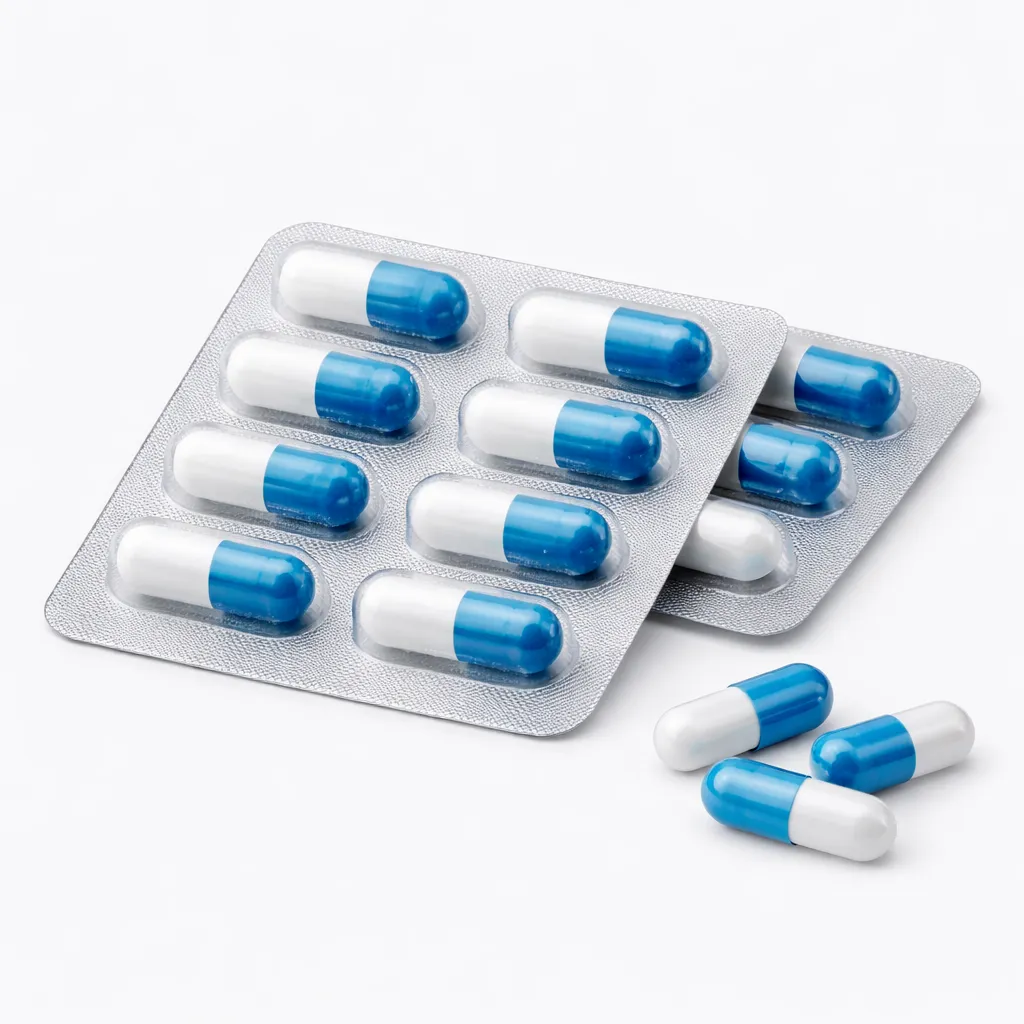
Description
PROTHIADEN 25 MG
Indications
Prothiaden 25 mg, known generically as dosulepin, is primarily indicated for the treatment of major depressive disorder. It is often prescribed for patients who have not responded adequately to other antidepressants. Additionally, Prothiaden may be used to manage anxiety disorders and chronic pain syndromes, including fibromyalgia. It is essential for healthcare providers to evaluate the individual patient’s clinical profile to determine the appropriateness of Prothiaden for their specific condition.
Mechanism of Action
The precise mechanism of action of Prothiaden is not fully understood; however, it is believed to function primarily as a tricyclic antidepressant (TCA). Prothiaden inhibits the reuptake of norepinephrine and serotonin in the central nervous system, leading to increased availability of these neurotransmitters in the synaptic cleft. This enhancement is thought to contribute to its antidepressant effects. Additionally, Prothiaden may exhibit some antagonistic properties at various receptor sites, which can influence mood and emotional regulation.
Pharmacological Properties
Prothiaden is characterized by its pharmacokinetic properties, which include oral bioavailability and a relatively long half-life, allowing for once-daily dosing in many cases. The drug is metabolized in the liver, primarily via cytochrome P450 enzymes, and its metabolites are excreted mainly through the kidneys. The drug’s efficacy is influenced by its ability to cross the blood-brain barrier, which is essential for its therapeutic effects on mood disorders.
Contraindications
Prothiaden is contraindicated in patients with a known hypersensitivity to dosulepin or any of its components. It should not be used in conjunction with monoamine oxidase inhibitors (MAOIs) or within 14 days of discontinuing MAOIs, due to the risk of severe drug interactions that can lead to serotonin syndrome. Additionally, Prothiaden is contraindicated in patients with a history of acute porphyria, recent myocardial infarction, or severe cardiac arrhythmias, as it may exacerbate these conditions.
Side Effects
Common side effects associated with Prothiaden include sedation, dry mouth, constipation, blurred vision, and weight gain. These effects are primarily due to the anticholinergic properties of the drug. Other potential side effects may include dizziness, orthostatic hypotension, and sexual dysfunction. Serious adverse effects, although rare, can include seizures, cardiac arrhythmias, and serotonin syndrome. Patients should be monitored closely for any emerging side effects, especially during the initial treatment phase.
Dosage and Administration
The recommended starting dose of Prothiaden for adults is typically 25 mg taken orally once daily, preferably in the evening to minimize sedation effects. Depending on the patient’s response and tolerability, the dose may be gradually increased to a maximum of 150 mg per day. For elderly patients or those with hepatic impairment, a lower starting dose is advisable. It is crucial for patients to adhere to the prescribed dosage and consult their healthcare provider before making any changes to their medication regimen.
Interactions
Prothiaden has the potential to interact with several medications, which can alter its therapeutic effects or increase the risk of adverse reactions. Concurrent use with other central nervous system depressants, such as alcohol, benzodiazepines, and opioids, may enhance sedative effects. Additionally, Prothiaden may interact with other antidepressants, leading to an increased risk of serotonin syndrome. It is essential for healthcare providers to conduct a thorough medication review to identify any potential drug interactions before initiating treatment with Prothiaden.
Precautions
Before prescribing Prothiaden, healthcare providers should assess patients for any pre-existing medical conditions, particularly those related to cardiovascular health, liver function, and a history of seizures. Caution is advised when prescribing Prothiaden to patients with a history of bipolar disorder, as it may precipitate manic episodes. Patients should be monitored for signs of suicidal ideation, especially during the initial treatment phase or when doses are adjusted. Abrupt discontinuation of Prothiaden should be avoided to minimize withdrawal symptoms; instead, a gradual tapering of the dose is recommended.
Clinical Studies
Clinical studies have demonstrated the efficacy of Prothiaden in treating major depressive disorder, with several trials indicating significant improvements in depressive symptoms compared to placebo. In a randomized controlled trial published in a peer-reviewed journal, Prothiaden showed comparable efficacy to other antidepressants, with a favorable side effect profile. Long-term studies have also suggested that Prothiaden can be effective in maintaining remission in patients with recurrent depression. However, individual responses to treatment may vary, and ongoing assessment is necessary to ensure optimal therapeutic outcomes.
Conclusion
Prothiaden 25 mg is a valuable option in the pharmacological management of major depressive disorder and certain anxiety disorders. Its mechanism of action, pharmacological properties, and clinical efficacy make it a suitable choice for many patients. However, careful consideration of contraindications, potential side effects, and drug interactions is essential for safe and effective use. Regular monitoring and follow-up are crucial to assess treatment response and adjust therapy as needed. Patients should be encouraged to engage in open communication with their healthcare providers regarding their treatment experience.
Important
It is vital to use Prothiaden responsibly and under the supervision of a qualified healthcare professional. Patients should be informed about the importance of adhering to prescribed dosages and reporting any side effects or concerns to their healthcare provider promptly.
