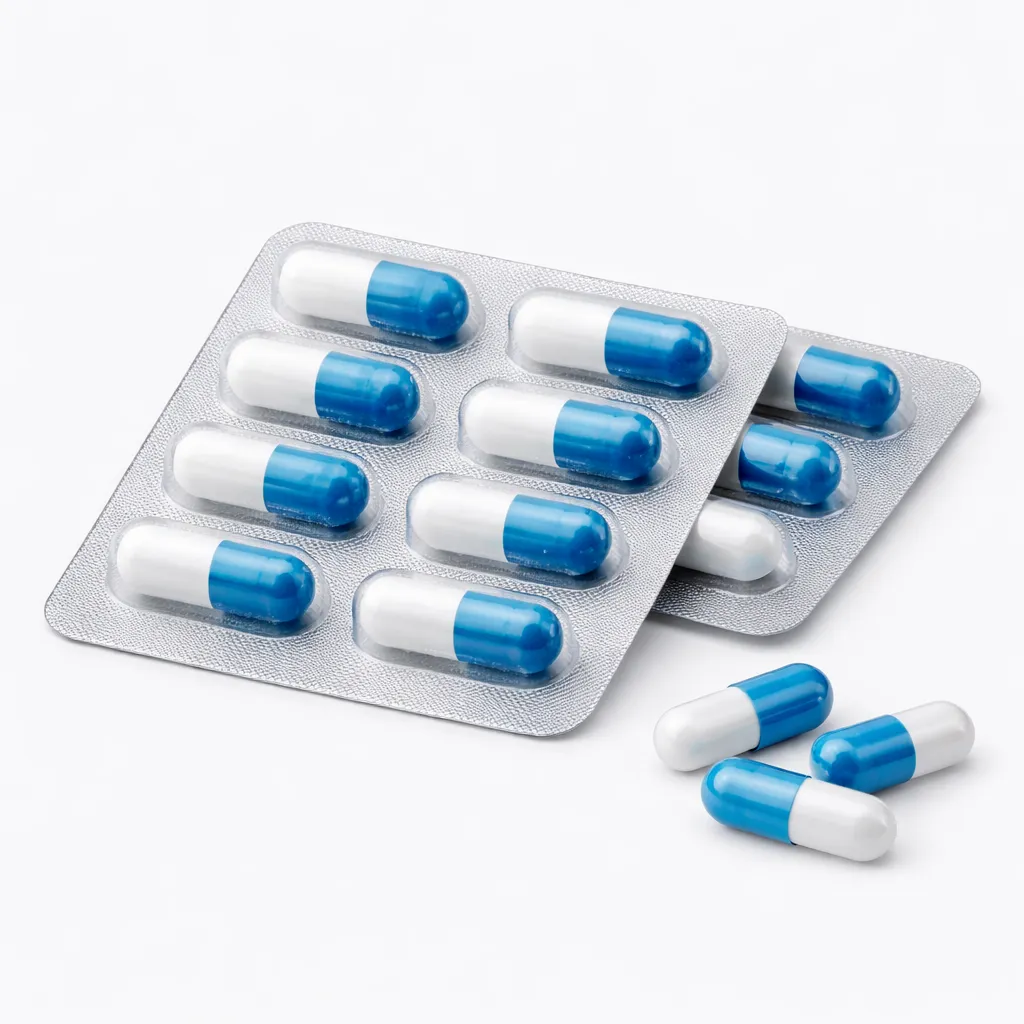
Description
PUREGRAF 300 IU PFS
Indications
PUREGRAF 300 IU PFS is primarily indicated for the prevention of organ rejection in patients who have undergone kidney transplantation. It is used in combination with other immunosuppressive agents to ensure the long-term success of the transplant. Additionally, PUREGRAF may be indicated in other solid organ transplantations, depending on the clinical judgment of the healthcare provider.
Mechanism of Action
PUREGRAF contains the active ingredient, tacrolimus, which is a potent immunosuppressant. Tacrolimus acts by inhibiting T-lymphocyte activation and proliferation. It binds to the intracellular protein FKBP-12, forming a complex that inhibits calcineurin, a phosphatase that plays a crucial role in the activation of T-cells. By inhibiting calcineurin, tacrolimus prevents the transcription of interleukin-2 (IL-2) and other cytokines, which are essential for T-cell activation and proliferation. This immunosuppressive action helps to reduce the risk of organ rejection in transplant patients.
Pharmacological Properties
PUREGRAF is characterized by its high bioavailability and extensive metabolism in the liver. The pharmacokinetics of tacrolimus is influenced by various factors, including age, liver function, and concomitant medications. The drug is primarily metabolized by cytochrome P450 3A4, and its elimination half-life ranges from 12 to 18 hours. Due to its lipophilic nature, tacrolimus is highly protein-bound, primarily to albumin and alpha-1 acid glycoprotein. This pharmacological profile necessitates careful monitoring of drug levels in patients to optimize therapeutic outcomes and minimize toxicity.
Contraindications
PUREGRAF is contraindicated in patients with a known hypersensitivity to tacrolimus or any of its excipients. It should also be avoided in patients with active infections, particularly those caused by viruses such as herpes simplex or cytomegalovirus, as immunosuppression can exacerbate these conditions. Additionally, patients with severe renal impairment or hepatic dysfunction should use PUREGRAF with caution, as these conditions can affect drug metabolism and increase the risk of adverse effects.
Side Effects
The use of PUREGRAF may be associated with several side effects, which can range from mild to severe. Common side effects include headache, tremors, gastrointestinal disturbances (such as nausea and diarrhea), and hypertension. Serious adverse effects may include nephrotoxicity, neurotoxicity, and an increased risk of infections and malignancies due to immunosuppression. It is essential for healthcare providers to monitor patients closely for these side effects and adjust the dosage as necessary to mitigate risks.
Dosage and Administration
The recommended starting dose of PUREGRAF for adult patients following kidney transplantation is typically 0.1 to 0.2 mg/kg/day, administered in two divided doses. The dosage may be adjusted based on the patient’s clinical response and drug levels, which should be monitored regularly. For pediatric patients, the dosing regimen may differ, and careful consideration of body weight and growth is essential. It is crucial to follow the healthcare provider’s instructions regarding the administration of PUREGRAF and to maintain adherence to the prescribed regimen to ensure optimal outcomes.
Interactions
PUREGRAF has the potential to interact with various medications, which can influence its efficacy and safety profile. Drugs that induce or inhibit cytochrome P450 3A4 can significantly alter tacrolimus levels. For instance, co-administration with strong CYP3A4 inhibitors, such as ketoconazole or erythromycin, may increase tacrolimus concentrations, leading to toxicity. Conversely, CYP3A4 inducers, such as rifampicin or St. John’s Wort, may decrease tacrolimus levels, increasing the risk of organ rejection. It is essential for healthcare providers to review all medications a patient is taking to manage potential interactions effectively.
Precautions
Patients receiving PUREGRAF should be monitored for signs of nephrotoxicity, neurotoxicity, and infections. Regular blood tests to assess renal function and tacrolimus levels are recommended to ensure safe and effective treatment. Patients should be advised to report any unusual symptoms, such as changes in urination, persistent headache, or signs of infection, to their healthcare provider promptly. Additionally, because of the risk of malignancies associated with long-term immunosuppression, regular screenings for skin cancer and other malignancies may be warranted.
Clinical Studies
Several clinical studies have evaluated the efficacy and safety of PUREGRAF in kidney transplant recipients. Research has demonstrated that tacrolimus-based regimens significantly reduce the incidence of acute rejection compared to placebo or other immunosuppressants. Long-term follow-up studies indicate that patients on tacrolimus maintain better renal function and have improved graft survival rates. However, the risk of adverse effects, particularly nephrotoxicity and infections, remains a concern, necessitating ongoing research to optimize dosing strategies and minimize complications.
Conclusion
PUREGRAF 300 IU PFS is an essential immunosuppressive agent in the management of kidney transplantation. Its mechanism of action, pharmacological properties, and clinical efficacy make it a cornerstone in preventing organ rejection. However, careful monitoring for side effects and drug interactions is crucial to ensure patient safety and treatment success. Ongoing research and clinical vigilance will continue to enhance our understanding of tacrolimus and its role in transplant medicine.
Important
The use of PUREGRAF should be undertaken with caution and under the supervision of a qualified healthcare professional. Patients are encouraged to adhere strictly to prescribed dosages and to report any side effects or concerns to their healthcare provider. Responsible use of this medication is essential for achieving optimal therapeutic outcomes.