Description
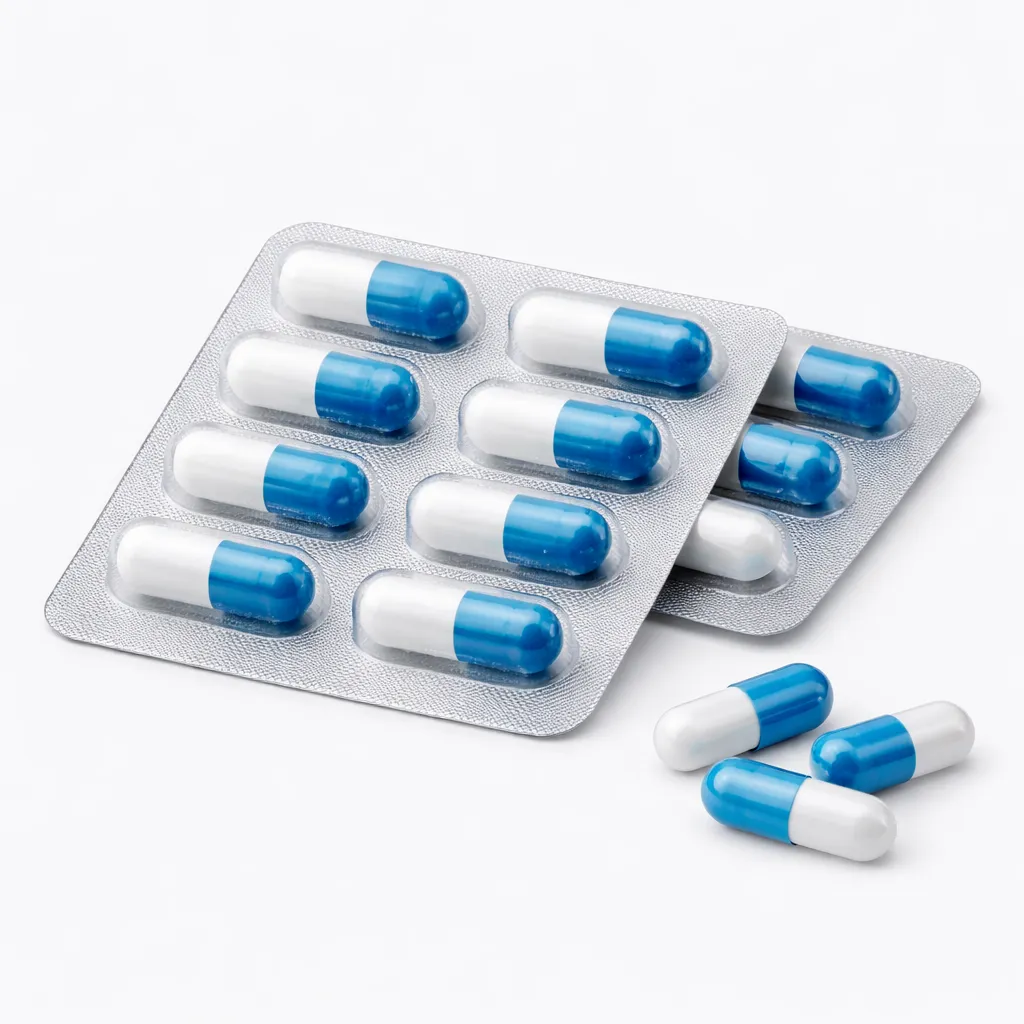
QUITIN 50 MG (1X10)
Indications
QUITIN 50 MG is primarily indicated for the management of various anxiety disorders, including generalized anxiety disorder (GAD), panic disorder, and social anxiety disorder. It may also be used as an adjunctive treatment for depressive disorders. The medication is designed to alleviate symptoms of anxiety, thereby improving the quality of life for patients suffering from these conditions.
Mechanism of Action
QUITIN contains the active ingredient quetiapine, which is classified as an atypical antipsychotic. The exact mechanism by which quetiapine exerts its therapeutic effects is not fully understood. However, it is believed to work by modulating the activity of neurotransmitters in the brain, particularly serotonin and dopamine. Quetiapine acts as an antagonist at various serotonin receptors (5-HT2A and 5-HT2C) and dopamine receptors (D2), which helps to restore the balance of these neurotransmitters, ultimately reducing anxiety and improving mood.
Pharmacological Properties
QUITIN exhibits a unique pharmacological profile that differentiates it from other medications in its class. It has a rapid onset of action, with therapeutic effects often observed within hours of administration. The drug is well-absorbed following oral administration, with peak plasma concentrations typically reached within 1 to 2 hours. Quetiapine is extensively metabolized in the liver, primarily by the cytochrome P450 system, and has a half-life of approximately 6 hours. This allows for flexible dosing schedules and aids in patient compliance.
Contraindications
QUITIN should not be used in individuals with a known hypersensitivity to quetiapine or any of its components. It is also contraindicated in patients with a history of severe cardiovascular disorders, including arrhythmias and myocardial infarction, as well as those with a history of seizures. Caution is advised when prescribing QUITIN to elderly patients, particularly those with dementia-related psychosis, due to an increased risk of mortality associated with antipsychotic medications.
Side Effects
The use of QUITIN may be associated with several side effects, which can vary in severity. Common side effects include drowsiness, dizziness, dry mouth, and weight gain. Less common but more severe side effects may include extrapyramidal symptoms, metabolic syndrome, and tardive dyskinesia. Patients should be monitored for signs of these conditions, especially during the initial stages of treatment. It is essential to discuss any concerning symptoms with a healthcare provider promptly.
Dosage and Administration
The recommended starting dose of QUITIN for adults is typically 50 mg per day, which may be increased based on clinical response and tolerability. The maximum recommended dose is 300 mg per day for anxiety disorders. It is advisable to titrate the dose gradually to minimize the risk of side effects. QUITIN should be taken orally, with or without food, and patients are encouraged to adhere to the prescribed regimen to achieve optimal therapeutic outcomes.
Interactions
QUITIN may interact with various medications, which can affect its efficacy and safety profile. Co-administration with other central nervous system depressants, such as benzodiazepines or alcohol, can enhance sedative effects, leading to increased drowsiness and impaired cognitive function. Additionally, medications that affect the cytochrome P450 system, particularly CYP3A4 inhibitors or inducers, may alter quetiapine metabolism. It is crucial for patients to inform their healthcare provider of all medications they are taking to avoid potential interactions.
Precautions
Before initiating treatment with QUITIN, a thorough medical history should be obtained, and a physical examination should be conducted. Special precautions should be taken in patients with a history of cardiovascular disease, diabetes, or metabolic disorders. Regular monitoring of weight, blood glucose levels, and lipid profiles is recommended during treatment. Patients should also be advised to avoid abrupt discontinuation of the medication, as this may lead to withdrawal symptoms and exacerbation of anxiety.
Clinical Studies
Clinical studies have demonstrated the efficacy of QUITIN in the treatment of anxiety disorders. In a randomized controlled trial, patients receiving quetiapine showed significant reductions in anxiety symptoms compared to those receiving a placebo. The study indicated that quetiapine was effective in improving overall functioning and quality of life. Long-term studies have also suggested that QUITIN can be beneficial in preventing relapse in patients with chronic anxiety disorders, supporting its role as a valuable treatment option.
Conclusion
QUITIN 50 MG is a well-established medication for the treatment of anxiety disorders, offering a unique mechanism of action that targets neurotransmitter imbalances in the brain. With its favorable pharmacological properties and demonstrated efficacy in clinical trials, QUITIN represents a valuable option for patients seeking relief from anxiety symptoms. However, it is essential for healthcare providers to consider individual patient factors, potential side effects, and drug interactions when prescribing this medication to ensure safe and effective treatment.
Important
It is crucial to use QUITIN responsibly and under the guidance of a qualified healthcare professional. Patients should adhere to prescribed dosages and report any side effects or concerns to their healthcare provider. Always consult a physician before starting or stopping any medication.