Description
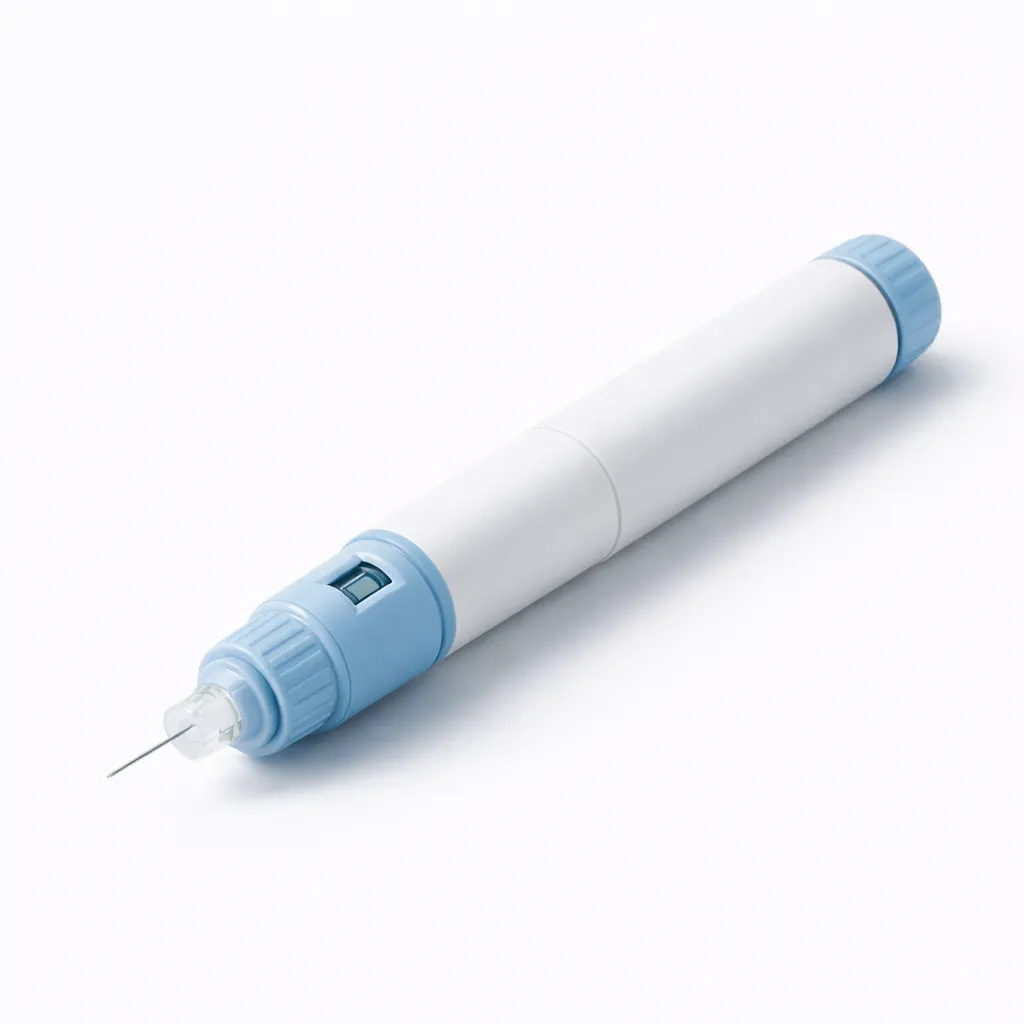
REPATHA SURECLIK PEN
Indications
REPATHA SURECLIK PEN is indicated for the treatment of adults with primary hyperlipidemia, including heterozygous familial hypercholesterolemia (HeFH), and for patients with atherosclerotic cardiovascular disease (ASCVD) who require additional lowering of low-density lipoprotein cholesterol (LDL-C). It is also indicated for pediatric patients aged 10 years and older with HeFH. The medication is intended to be used in conjunction with a healthy diet and other lipid-lowering therapies when these therapies alone do not provide adequate LDL-C control.
Mechanism of Action
REPATHA SURECLIK PEN contains the active ingredient evolocumab, a monoclonal antibody that inhibits proprotein convertase subtilisin/kexin type 9 (PCSK9). PCSK9 is a protein that binds to LDL receptors on the surface of liver cells, promoting their degradation. By inhibiting PCSK9, REPATHA increases the number of LDL receptors available to clear LDL-C from the bloodstream, leading to a significant reduction in LDL-C levels. This mechanism contributes to a lower risk of cardiovascular events associated with high cholesterol levels.
Pharmacological Properties
REPATHA SURECLIK PEN is administered via subcutaneous injection. The pharmacokinetics of evolocumab indicate a half-life of approximately 17 to 20 days, allowing for convenient dosing schedules. The drug is primarily eliminated through target-mediated clearance and is not significantly metabolized by cytochrome P450 enzymes. The pharmacodynamic effects of REPATHA result in substantial reductions in LDL-C levels, often exceeding 50% in patients with elevated baseline levels.
Contraindications
REPATHA SURECLIK PEN is contraindicated in patients with a known hypersensitivity to evolocumab or any of the excipients in the formulation. Patients with a history of serious allergic reactions, including anaphylaxis, to monoclonal antibodies should also avoid this medication. Additionally, it should not be used in patients with active liver disease or unexplained persistent elevations in transaminases.
Side Effects
The most commonly reported side effects associated with REPATHA SURECLIK PEN include injection site reactions, such as pain, redness, or swelling. Other potential side effects may include nasopharyngitis, upper respiratory tract infections, and allergic reactions. Serious adverse events are rare but may include hypersensitivity reactions, including angioedema and anaphylaxis. Patients should be monitored for any signs of severe allergic reactions following administration.
Dosage and Administration
REPATHA SURECLIK PEN is typically administered subcutaneously once every two weeks or once monthly, depending on the prescribing physician’s recommendation and the patient’s treatment plan. The standard dosage for adults is 140 mg every two weeks or 420 mg once monthly. For pediatric patients aged 10 years and older with HeFH, the recommended dosage is 140 mg every two weeks. It is essential for patients to receive proper training on the correct administration technique to ensure effective delivery of the medication.
Interactions
Currently, there are no known significant drug interactions with REPATHA SURECLIK PEN. However, patients should always inform their healthcare provider about all medications they are taking, including over-the-counter drugs and supplements, to avoid potential interactions. It is particularly important to monitor lipid levels when combining REPATHA with other lipid-lowering therapies, as the additive effects may lead to excessively low LDL-C levels.
Precautions
Before initiating treatment with REPATHA SURECLIK PEN, healthcare providers should assess patients for a history of hypersensitivity reactions to monoclonal antibodies. It is also essential to evaluate liver function, as the drug is contraindicated in patients with active liver disease. Patients should be counseled on the importance of adhering to their prescribed lipid-lowering regimen, including diet and lifestyle modifications, in conjunction with REPATHA therapy. Regular follow-up appointments are recommended to monitor lipid levels and assess the effectiveness of the treatment.
Clinical Studies
Clinical trials have demonstrated the efficacy and safety of REPATHA SURECLIK PEN in various populations. In a pivotal phase 3 study, patients with HeFH experienced a significant reduction in LDL-C levels, with many achieving target LDL-C levels within the first few weeks of treatment. Another study focusing on patients with established cardiovascular disease showed that treatment with REPATHA resulted in a reduction in cardiovascular events, including myocardial infarction and stroke. These studies support the use of REPATHA as a valuable option for patients who require additional LDL-C lowering beyond standard therapies.
Conclusion
REPATHA SURECLIK PEN represents a significant advancement in the management of hyperlipidemia and cardiovascular risk. Its unique mechanism of action, coupled with robust clinical evidence supporting its efficacy and safety, makes it an essential tool for healthcare providers in the treatment of patients with elevated LDL-C levels. As with any medication, it is crucial for patients to engage in open communication with their healthcare team to ensure optimal treatment outcomes and to address any concerns regarding therapy.
Important
It is essential to use REPATHA SURECLIK PEN responsibly and under the guidance of a qualified healthcare professional. Patients should follow their healthcare provider’s instructions and attend regular follow-up appointments to monitor their condition and treatment response.