
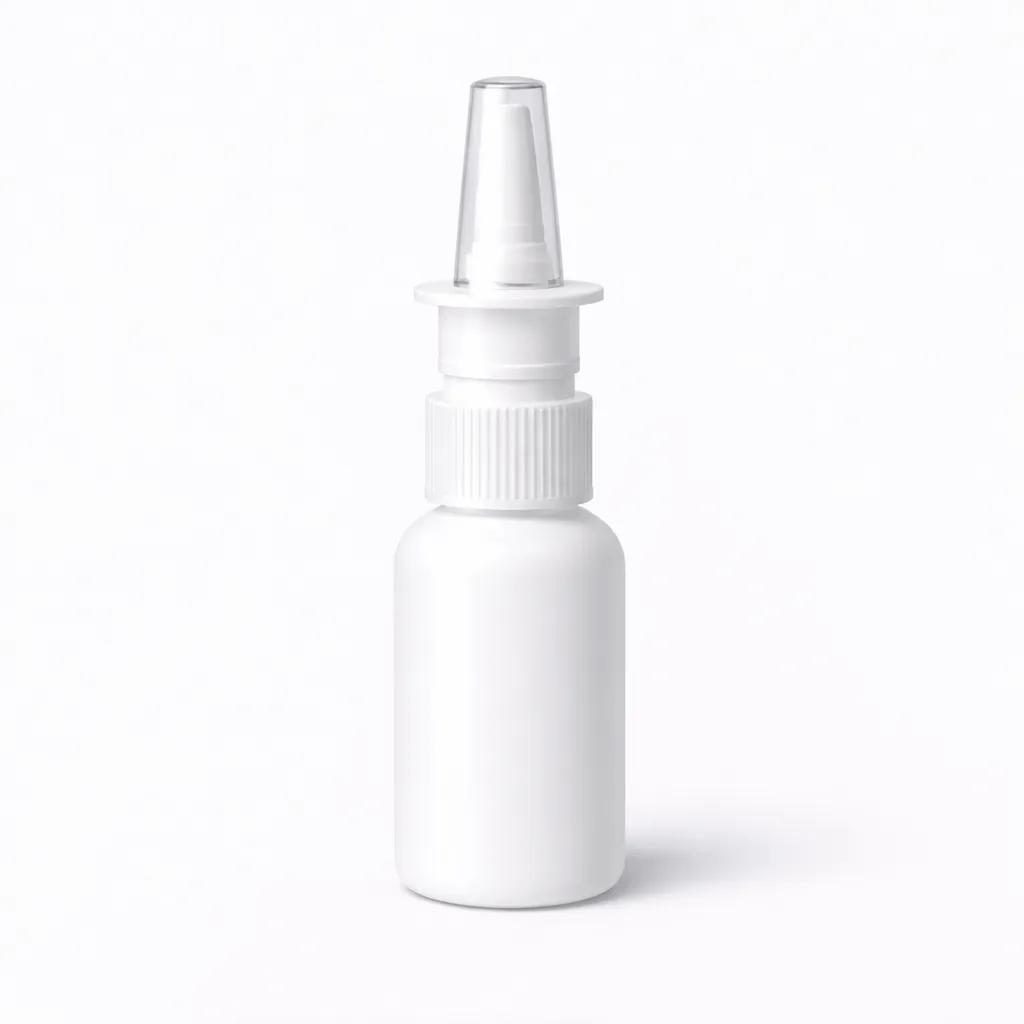
Description
RESPIZEN NASAL SPRAY
Indications
Respizen Nasal Spray is indicated for the relief of symptoms associated with allergic rhinitis, including nasal congestion, sneezing, and runny nose. It is also used to alleviate symptoms of non-allergic rhinitis, such as nasal irritation and inflammation. The formulation is designed for adults and children over the age of 12 who require symptomatic relief from nasal discomfort due to seasonal or perennial allergies.
Mechanism of Action
Respizen Nasal Spray contains a combination of active ingredients that work synergistically to provide effective relief from nasal symptoms. The primary active component is an antihistamine that blocks the action of histamine, a substance in the body that causes allergic symptoms. By inhibiting histamine receptors, Respizen reduces nasal inflammation and congestion. Additionally, the spray may contain a corticosteroid, which helps to decrease inflammation and swelling in the nasal passages, further enhancing its efficacy in treating allergic rhinitis.
Pharmacological Properties
The pharmacological properties of Respizen Nasal Spray are attributed to its active ingredients, which are absorbed locally in the nasal mucosa. The antihistamine component provides rapid onset of action, typically within minutes of administration, while the corticosteroid component may take longer to exert its full effects, often requiring several hours to days for optimal symptom relief. The formulation is designed for intranasal delivery, allowing for targeted action at the site of symptoms, thus minimizing systemic exposure and potential side effects.
Contraindications
Respizen Nasal Spray is contraindicated in individuals who have a known hypersensitivity to any of its components. Patients with a history of severe allergic reactions, including anaphylaxis, should avoid using this product. Additionally, the spray should not be used in individuals with untreated bacterial, viral, or fungal infections of the nasal passages, as it may exacerbate these conditions. Caution is advised in patients with a history of glaucoma or urinary retention, as the antihistamine component may aggravate these conditions.
Side Effects
Common side effects associated with the use of Respizen Nasal Spray may include nasal irritation, burning, or stinging upon administration. Other potential side effects can include headache, drowsiness, and dry nasal mucosa. In rare cases, patients may experience more severe reactions such as allergic dermatitis or nasal bleeding. If any severe or persistent side effects occur, users are advised to discontinue use and consult a healthcare professional.
Dosage and Administration
The recommended dosage of Respizen Nasal Spray for adults and children over 12 years of age is typically one to two sprays in each nostril once or twice daily, as needed. It is important to follow the specific dosage instructions provided by a healthcare provider or indicated on the product label. The spray should be administered while the user is in an upright position, and the nozzle should be directed away from the septum to minimize irritation. Patients are advised to gently blow their nose prior to administration to ensure optimal delivery of the medication.
Interactions
Respizen Nasal Spray may interact with other medications, particularly those that have sedative effects, such as benzodiazepines and alcohol, which may enhance drowsiness. Patients taking other antihistamines or medications that affect the central nervous system should exercise caution and consult with their healthcare provider before using Respizen. Additionally, the use of other intranasal medications should be spaced out to avoid potential interactions and ensure effective delivery of each medication.
Precautions
Patients should use Respizen Nasal Spray with caution if they have pre-existing medical conditions such as asthma, chronic obstructive pulmonary disease (COPD), or cardiovascular issues. It is advisable for pregnant or breastfeeding women to consult their healthcare provider prior to using the spray, as the safety of the active ingredients during pregnancy and lactation has not been fully established. Users should also be aware of the potential for rebound congestion if the spray is used for an extended period, and it is recommended to limit usage to the shortest duration necessary to alleviate symptoms.
Clinical Studies
Clinical studies have demonstrated the efficacy of Respizen Nasal Spray in reducing symptoms of allergic rhinitis. In a randomized, double-blind, placebo-controlled trial, participants using Respizen experienced a significant reduction in nasal congestion and other allergy symptoms compared to those receiving a placebo. The safety profile of Respizen was also evaluated, showing that most side effects were mild and transient. These findings support the use of Respizen Nasal Spray as an effective treatment option for managing allergic and non-allergic rhinitis symptoms.
Conclusion
Respizen Nasal Spray offers a targeted approach to managing nasal symptoms associated with allergic and non-allergic rhinitis. Its combination of antihistamine and corticosteroid components provides effective relief from congestion, sneezing, and runny nose. While generally well-tolerated, it is important for users to be aware of potential side effects and interactions with other medications. As with any medication, patients should consult their healthcare provider for personalized advice and to ensure safe and effective use of Respizen Nasal Spray.
Important
It is crucial to use Respizen Nasal Spray responsibly and as directed. Always consult a healthcare professional if you have any questions or concerns about its use, especially if you are taking other medications or have underlying health conditions.

